A mocha, also called a mocaccino, mochaccino, or caffè mocha, is a latte with chocolate: espresso, steamed milk, and cocoa or chocolate, sometimes topped with foam or whipped cream.
It’s described as a chocolate-flavored variant of the caffè latte, almost always sweetened with cocoa powder and sugar. Its name comes from Mocha, a port in Yemen that was a major center of the coffee trade between the 15th and 17th centuries (Wikipedia, Caffè mocha).
Some afternoons call for coffee, and others call for chocolate. The mocha settles the dilemma: it’s both in the same cup. Sweet, creamy, and with the coffee still present, it’s one of the most ordered drinks at coffee shops once the weather turns cold or the holidays roll around.
In this guide, we explain what a mocha is, where its name comes from, and how to make one at home, with or without an espresso machine. You’ll also see how it differs from a cappuccino and a hot chocolate, and which coffee and chocolate to choose. Spoiler: Colombian table chocolate works really well.
What is a mocha?
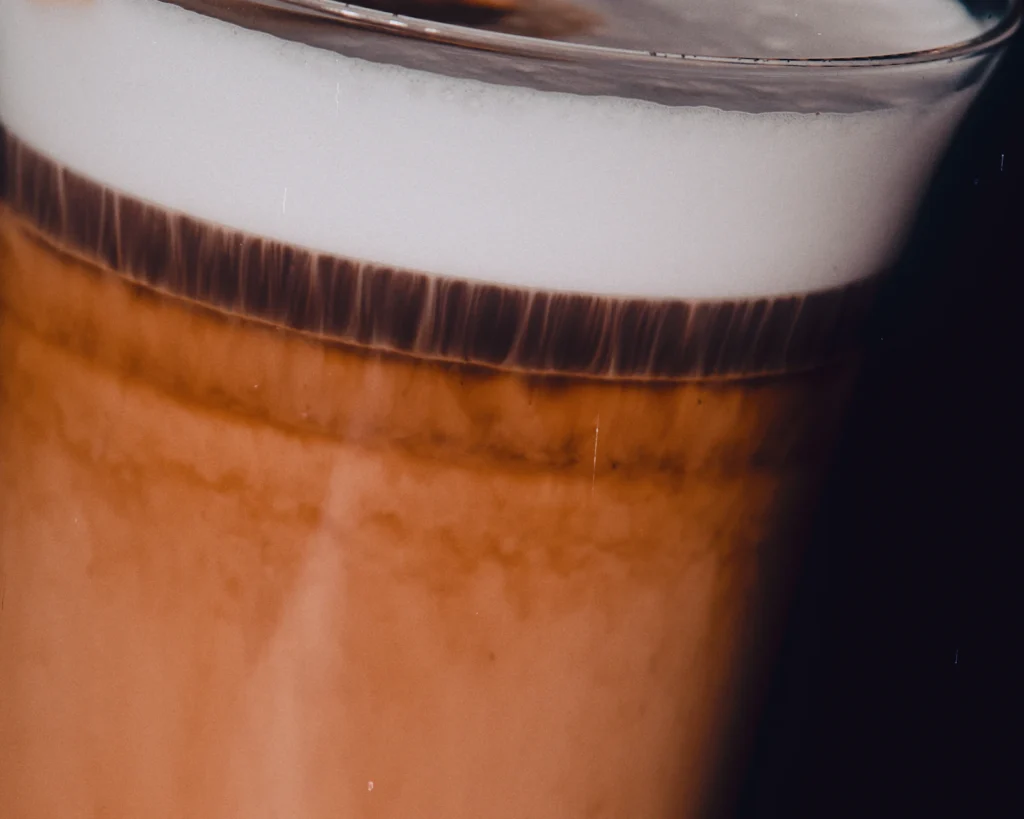
A mocha is a drink made with espresso, steamed milk, and chocolate. It’s basically a latte with cocoa powder, melted chocolate, or chocolate sauce added. It can be finished with milk foam, whipped cream, or a dusting of cocoa on top.
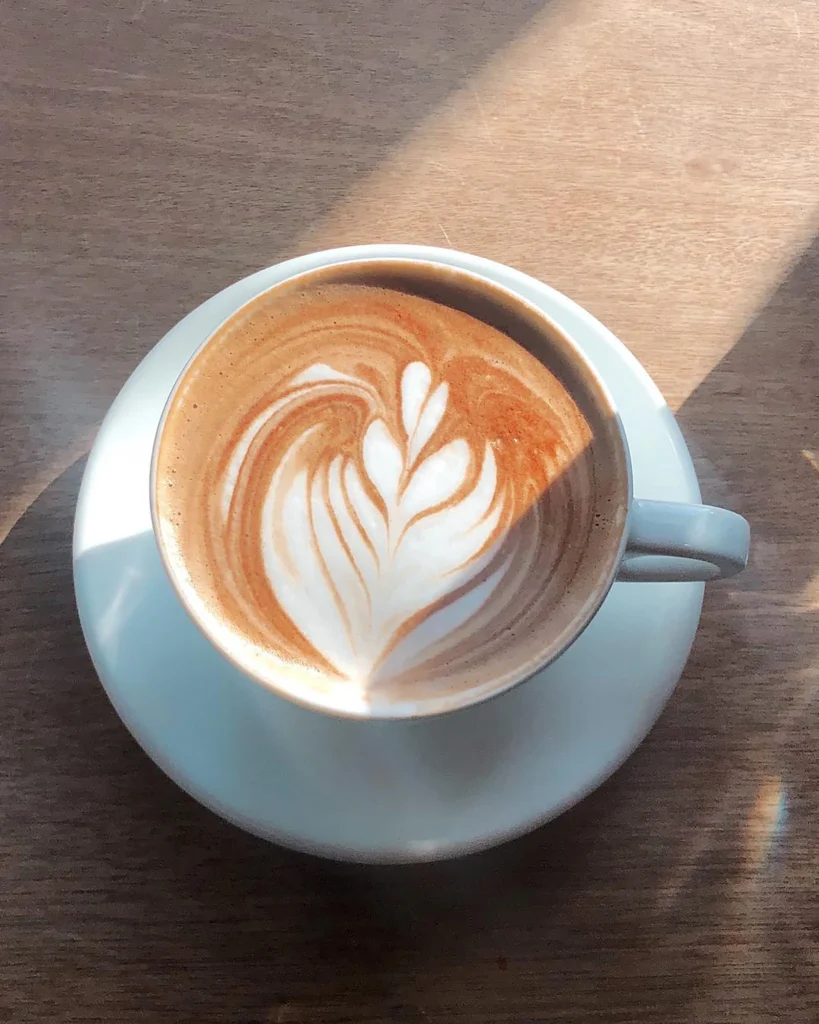
It goes by several names, and they all mean the same thing, or close to it: mocaccino, mochaccino, mocha, or caffè mocha. The TODAY show’s guide to coffee drinks sums it up like this: espresso, steamed milk, and chocolate, whether cocoa, chocolate, or chocolate syrup.
There’s no single recipe. Each coffee shop decides how much chocolate and how much milk goes in. Some use dark chocolate, others milk chocolate, and others make a white chocolate version. What doesn’t change is the base: espresso and milk, just like a latte.
How much caffeine does it have? That depends on the espresso. As a reference, one published estimate puts it at about 152 mg in a 350 ml (12 oz) cup. Chocolate adds a little caffeine and theobromine, but most of it comes from the coffee.
If you want to see how it relates to other coffee drinks, check out our guide to types of coffee. And if you’ve never made a latte, start with our latte vs. flat white guide: the mocha is the next step.
Why is it called a mocha or mocaccino?
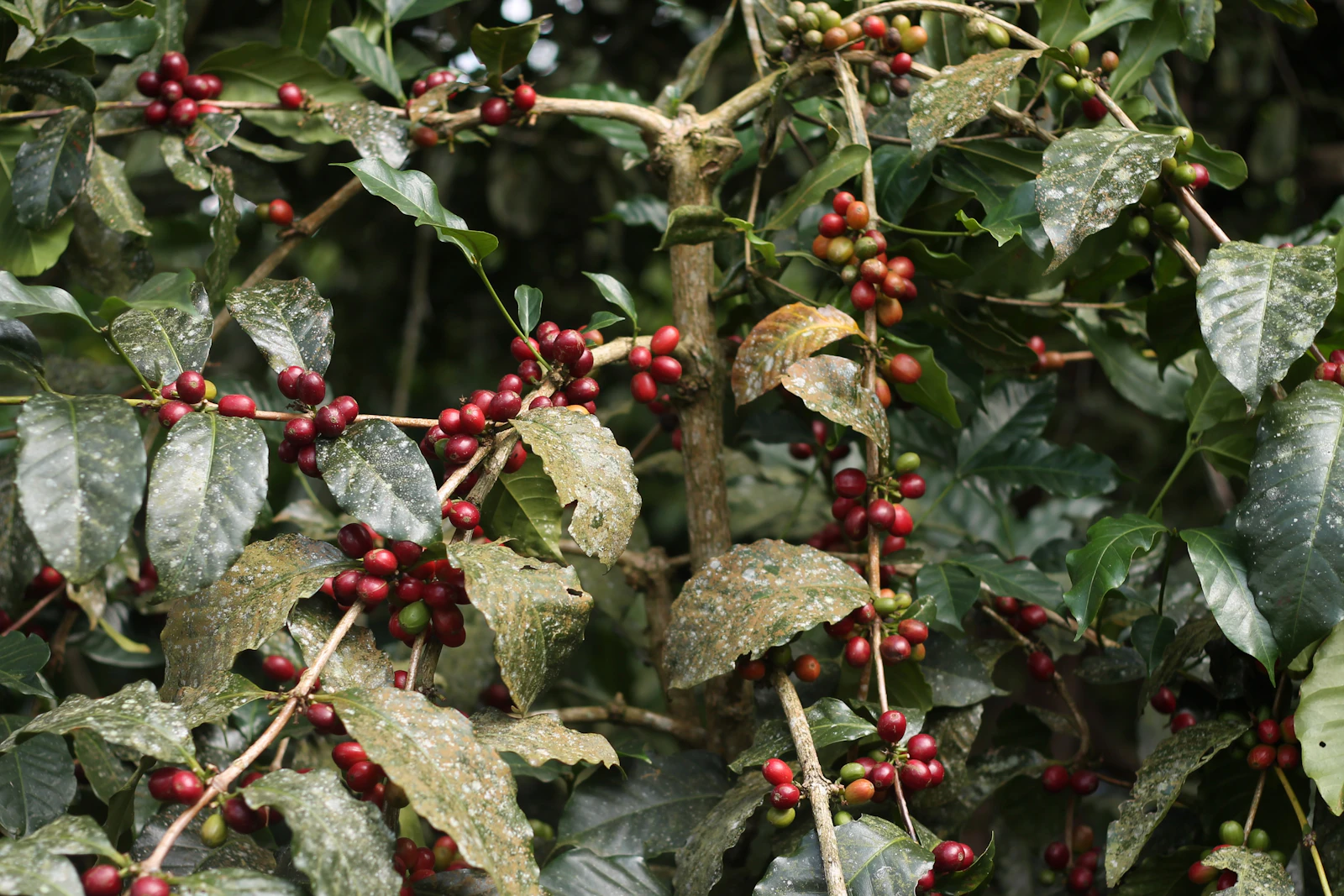
The name comes from Mocha, or Mokha, a port in Yemen on the Red Sea. Between the 15th and 17th centuries, it was one of the world’s great centers of the coffee trade. That’s why, in Europe, coffee arriving from Arabia came to be called “mocha.”
Over time, the word changed meaning. Before 1900, “mocha” referred to coffee from Yemen. Around 1900, it began to be associated with the combination of coffee and chocolate. A 1920 recipe for an “iced mocha” already called for milk, coffee, and cocoa.
So why chocolate? There are several explanations, and none is fully proven:
- The flavor of Yemeni coffee: a popular theory says those coffees had chocolate notes. It’s a nice legend, but there’s no solid evidence.
- The Italian tradition: in Turin, chocolate was mixed with coffee and cream in a drink called bavareisa. In the 18th century, it became the bicerin, served in a small glass with its three layers on display.
- The evolution of the latte: the modern version was most likely born when coffee shops started adding chocolate to lattes.
Chocolate reached Italy in the 17th century, and it wasn’t long before someone mixed it with coffee. Since then, the combination has kept reinventing itself.
In Colombia, the idea isn’t new either. Coffee and chocolate have shared the table for generations, at breakfast and at onces (the traditional afternoon snack). The mocha simply brings two flavors we already know well into the same cup.
How do you make a mocha at home with a machine?
Dissolve the chocolate in the hot espresso, steam the milk as you would for a latte, and pour it on top. Finish with a little cocoa powder or whipped cream. The trick is to mix the chocolate thoroughly with the coffee before adding the milk, so there are no lumps.
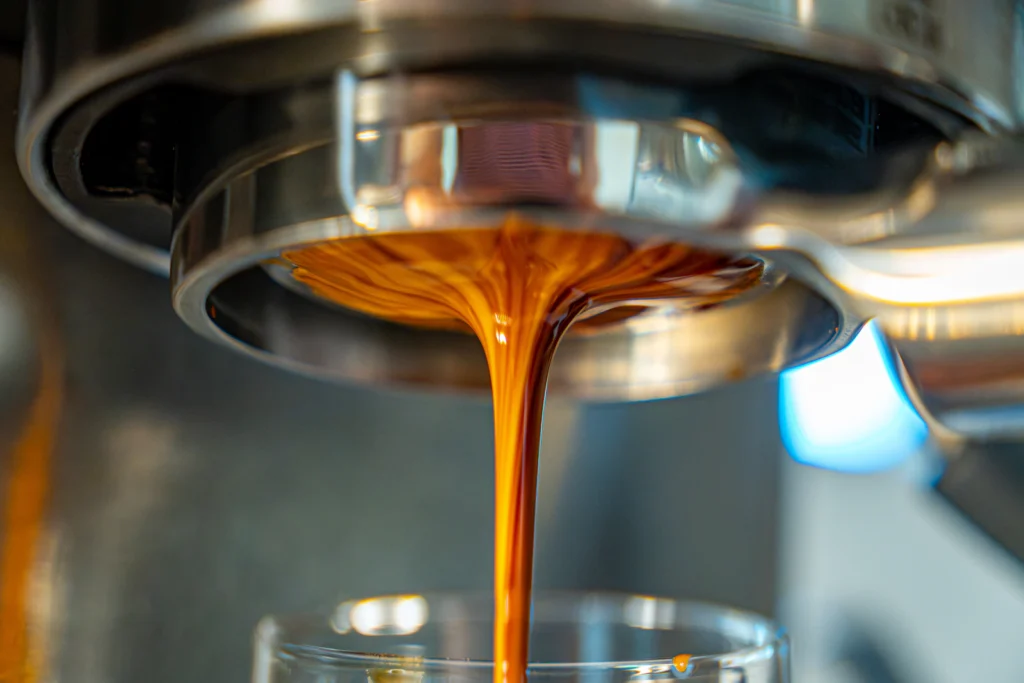
For a cup of about 250 to 300 ml (8.5 to 10 oz):
- Put the chocolate in the cup. One or two teaspoons of cocoa powder with sugar to taste, or about 15 to 20 g of chopped chocolate.
- Pull the espresso on top. Use a 1:2 ratio in 20 to 30 seconds, as the National Coffee Association recommends. The hot coffee melts the chocolate.
- Mix well. Stir with a spoon until there’s no powder or chunks left. You should have a glossy, liquid paste.
- Steam the milk. Just like for a latte: little air, a silky texture, until the pitcher is hot but you can touch it for a second.
- Pour and garnish. Pour the milk over the chocolate coffee. Dust with cocoa or add whipped cream if you want an indulgent mocha.
A tip: if you use unsweetened cocoa powder, sweeten it in step one. Sugar dissolves much better in hot espresso than later on in the milk.
How do you make a mocha without an espresso machine?
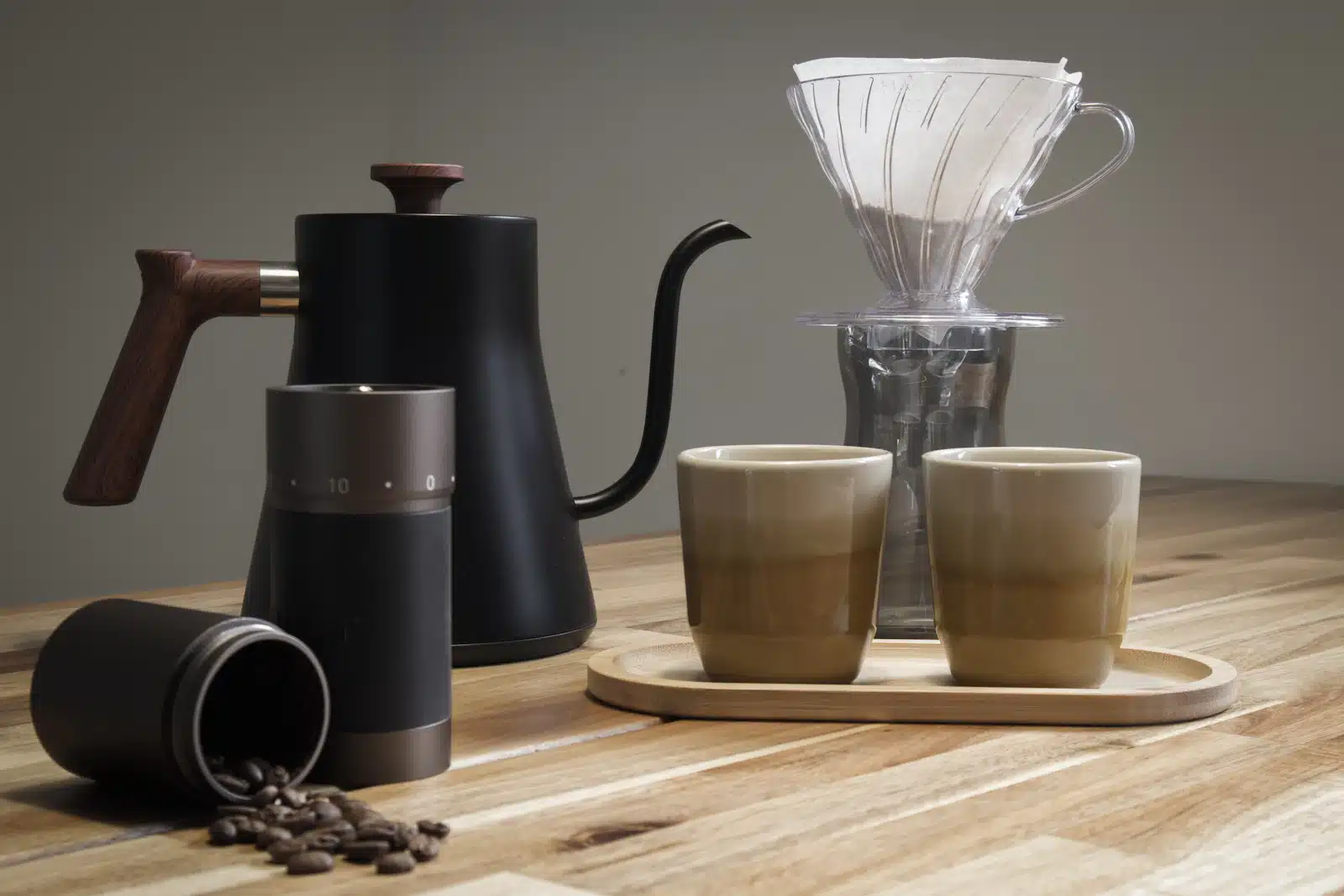
Brew a concentrated coffee in a moka pot or in an AeroPress with little water, mix it with the chocolate, and top it off with hot frothed milk. It won’t be espresso, but the result is just as delicious. In fact, with chocolate, hardly anyone notices the difference.
For the coffee base:
- Moka pot: it doesn’t make espresso, because it works at lower pressure, but it gives you a strong, full-bodied coffee. It’s ideal for a mocha. See the step-by-step in how to use a moka pot.
- AeroPress: with little water and plenty of coffee, you get a very clean concentrate. We compare it in V60 vs. Chemex vs. AeroPress.
- Strong pot-brewed coffee: if you have neither, make a strong tinto (Colombian-style black coffee) with more coffee than usual.
Here’s the Colombian stovetop version:
- Melt the chocolate. Put a tablet of Colombian table chocolate with a little water or milk in a small pot and melt it over low heat.
- Add the milk. Heat it without letting it boil and whisk it with a molinillo (a wooden hand whisk) until it foams.
- Add the coffee. Pour in the coffee concentrate, stir, and serve in a large cup.
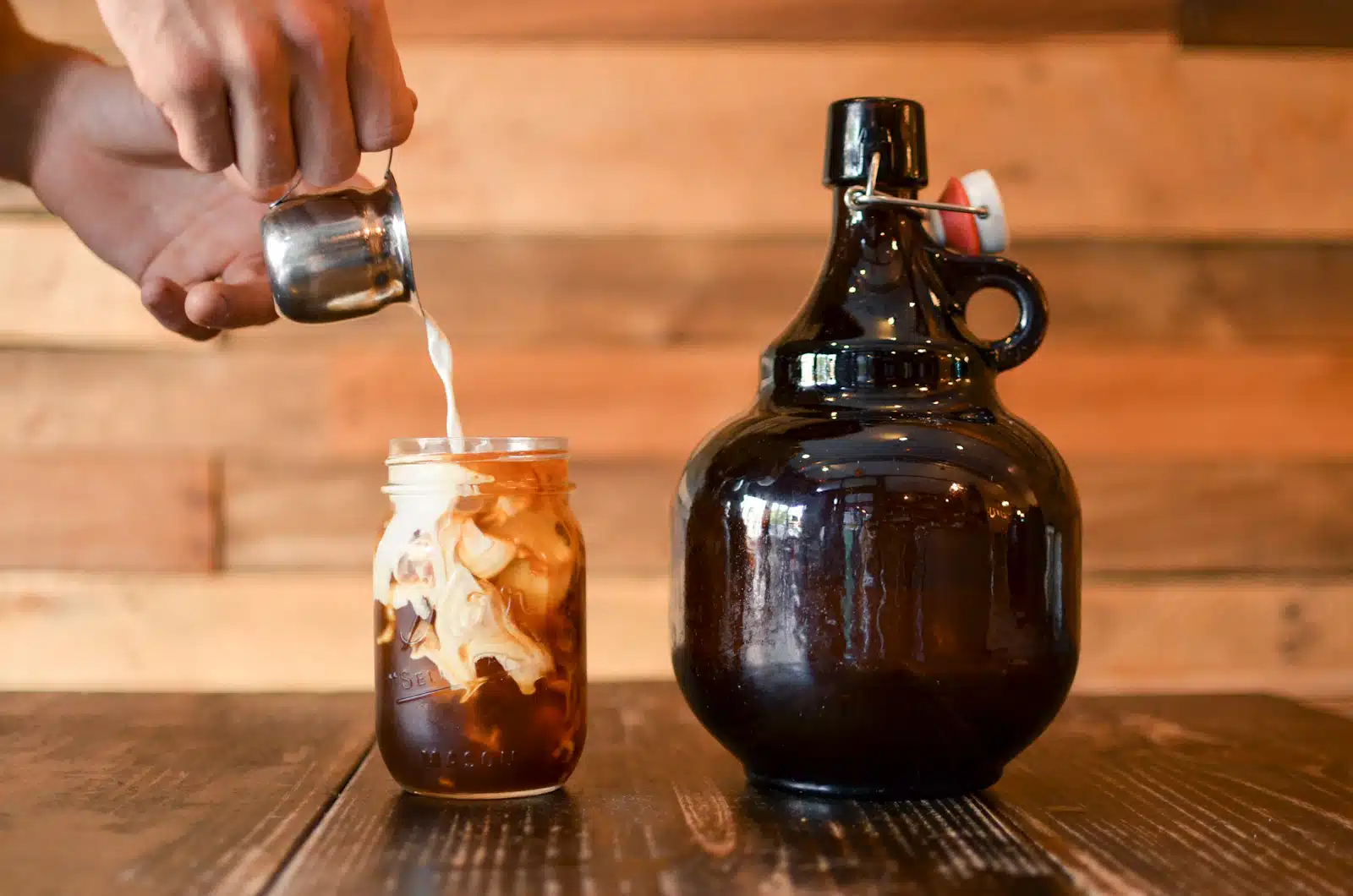
If you prefer more foam, froth the hot milk in a French press before adding it. And if you want an iced mocha, mix the chocolate with cold brew concentrate, add cold milk, and serve over ice.
What’s the difference between a mocha, a cappuccino, and hot chocolate?
The mocha sits right in the middle. A cappuccino is coffee with milk and foam, no chocolate. Hot chocolate is chocolate with milk, no coffee. The mocha brings the two together: it has espresso like a cappuccino and chocolate like a hot chocolate.
- Cappuccino: espresso, steamed milk, and a thick layer of foam. The coffee is the star. We explain the recipe in our cappuccino guide.
- Latte: espresso with more milk and little foam. A mocha is, essentially, a latte with chocolate.
- Mocha: espresso, chocolate, and milk. Sweeter and fuller-bodied than a latte.
- Hot chocolate: chocolate and milk, no coffee. In Colombia, it often comes with cheese, bread, or almojábana (a cheese bread roll).
You should also tell it apart from the macchiato, which is the exact opposite: an espresso barely “stained” with milk, short and intense.
Which one to choose? If you want to taste the coffee, go for a cappuccino. If you’re craving something sweet but don’t want to give up coffee, the mocha is your cup. And at night, when you don’t want caffeine, a hot chocolate.
Which coffee and chocolate should you use?
For a mocha, choose a coffee with body and sweet notes that won’t disappear next to the chocolate. And a good-quality chocolate with a medium to high cocoa percentage, so the drink isn’t cloying. The balance comes from tasting both.
For the coffee:
- A balanced washed coffee: our Sonsón washed coffee, 340 g, gives you a clean base that lets the chocolate shine.
- A sweeter natural: our Caicedo natural coffee, dried inside the whole fruit, adds sweetness and fruity notes.
- Grind: fine for espresso, a little coarser for a moka pot.
For the chocolate:
- Unsweetened cocoa powder: lets you control the sweetness. Dissolve it well in the hot coffee.
- Table chocolate: gives it body and a very Colombian flavor. Check whether it already contains sugar or cinnamon before sweetening.
- Dark chocolate bar: chop it finely so it melts quickly.
You can see all our coffees in the specialty coffee category. Buy whole bean if you have a grinder and brew with fresh coffee: you’ll notice the difference, even with chocolate.
Coffees from this guide


Broo Café Team
The coffee team at Broo Café, specialty coffee roasters in Medellín.
Content reviewed by the Broo Café Team.
Frequently asked questions
Are a mocha and a mocaccino the same thing?
In practice, yes: both names are used for espresso with milk and chocolate. Some coffee shops call a version with a double espresso or more foam a mochaccino. If you’re not sure, ask how much coffee and how much chocolate goes in before you order.
Does a mocha have whipped cream?
It can, but it doesn’t have to. Many coffee shops finish it with milk foam and a dusting of cocoa. Whipped cream makes it sweeter and heavier, almost a dessert. At home, decide based on your craving and the time of day.
How much caffeine is in a mocha?
It depends on the espresso. One published estimate puts it at about 152 mg in a 350 ml (12 oz) cup. Chocolate adds a little caffeine, but most of it comes from the coffee. If you want less, use a single shot of espresso.
What is a white mocha?
It’s the version made with white chocolate instead of dark or milk chocolate. It’s sweeter and milder, with vanilla and milk flavors. Since white chocolate has no cocoa solids, it’s best to use a full-bodied coffee to balance it.
Can you make a mocha with plant-based milk?
Yes, and it turns out great. Oat milk adds sweetness and soy adds body. Heat the plant-based milk without boiling and mix it with the coffee and the already-dissolved chocolate. If you want a dairy-free version, make sure the chocolate doesn’t contain milk.
Summary
- A mocha is a latte with chocolate: espresso, steamed milk, and cocoa or chocolate, topped with foam or whipped cream.
- Its name comes from Mocha, the port in Yemen that was a major center of the coffee trade between the 15th and 17th centuries.
- Without a machine, you can make it with a moka pot or AeroPress, and in Colombia it’s delicious with table chocolate.
Love coffee with milk but want to taste the bean more? Try the Italian classic in our cappuccino guide. And tell us in the comments: mocha with whipped cream or without?