Coffee brewing methods are the different ways of extracting flavor from ground coffee with water: by drip, by immersion, by pressure, or by boiling.
As a reference point, the Specialty Coffee Association (SCA) uses 55 to 60 g of coffee per liter of water in its evaluation standard (SCA, Standard 102).
You bought good coffee, brewed it with care, and the cup came out flat, bitter, or watery. It happens more often than you think, and it’s almost never the bean’s fault. Usually it’s the method, the grind, or the ratio. Maybe you have a French press, a V60, or a moka pot at home, and nobody ever explained what each one needs.
In this guide to coffee brewing methods, you’ll see which ones exist, how many grams to use per cup, what grind each one needs, and how to pick yours based on your time and taste. You’ll also find the mistakes that most often ruin coffee at home and how to fix them. No jargon: just enough so your next cup tastes the way it should.
What are the main coffee brewing methods?
Coffee brewing methods fall into four families: drip or pour-over, immersion, pressure, and decoction (boiled coffee). Each family includes many devices, but they all do the same thing: keep ground coffee in contact with water for a while, then separate the liquid from the grounds.
Here’s how the most common ones break down:
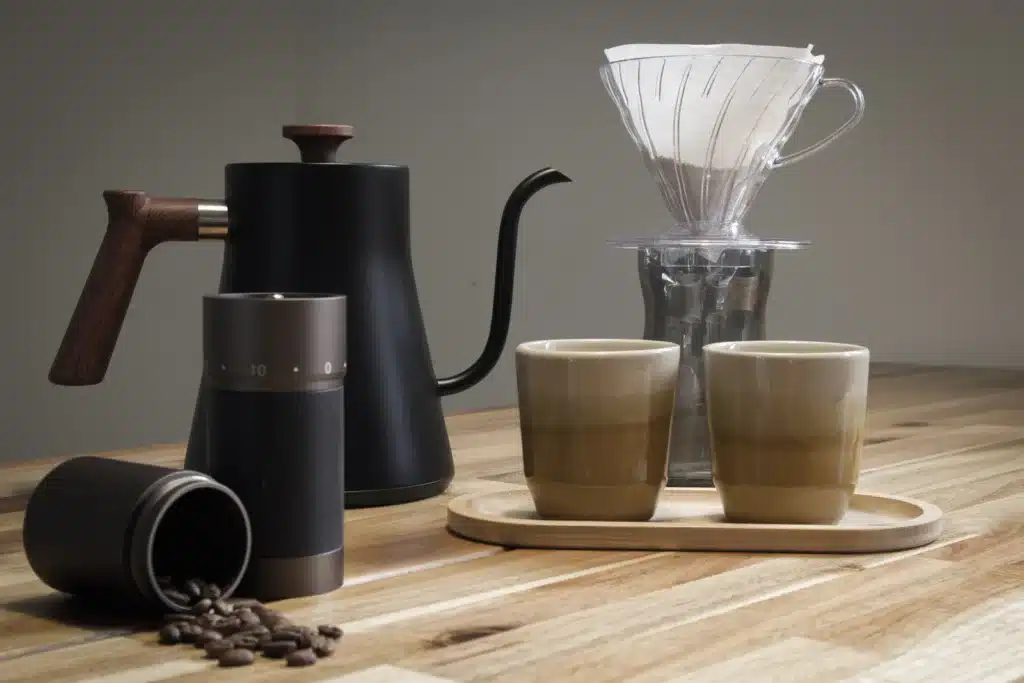
- Drip or pour-over: gravity pulls the water through the coffee and a filter. This group includes the V60, the Chemex, and the electric drip coffee maker. They make clean, light cups where you can taste the origin notes.
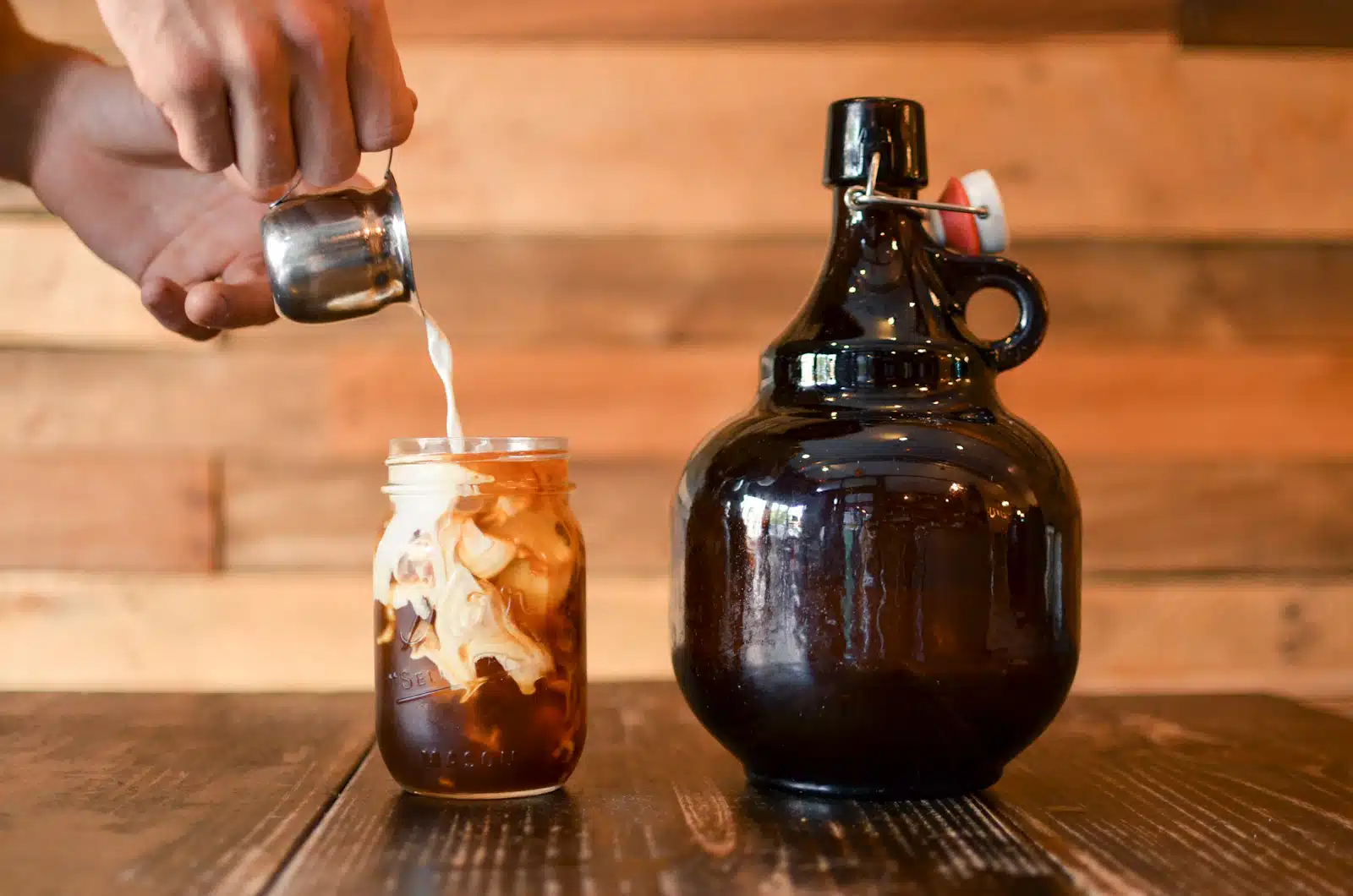
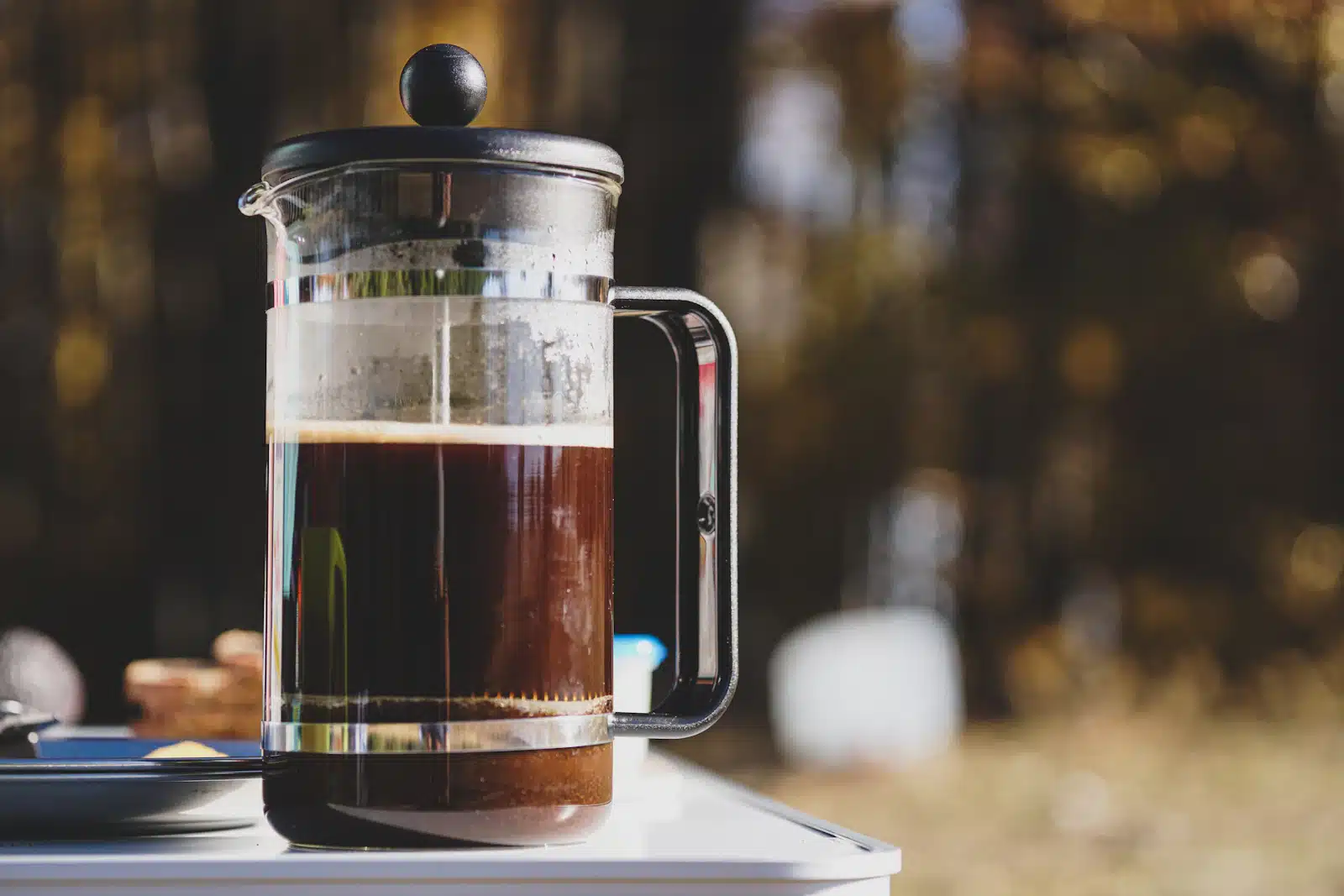
- Immersion: the coffee steeps in the water the whole time and is separated at the end. The French press is the classic example, and cold brew is a cold immersion. They give more body.
- Pressure: the water is pushed through the coffee. The espresso machine and the AeroPress (which combines immersion and pressure) belong here. They make intense, concentrated drinks.
- Decoction and steam: the coffee is heated along with the water. The moka pot pushes the water up with steam pressure, and pot-brewed tinto (Colombia’s everyday black coffee) boils the coffee directly. They make strong, full-bodied cups.
This table sums up the methods most people use at home. The time, grind, and ratio data come from each manufacturer’s official guides or from the National Coffee Association (NCA); sources are listed at the end.
| Method | Time | Grind | Ratio | Cup profile | Best for |
|---|---|---|---|---|---|
| V60 | Under 3 minutes | Medium | SCA reference: 55–60 g per liter | Clean, aromatic, with clear tasting notes | Anyone who wants to taste each origin |
| Chemex | About 30 s bloom, then slow pours | Medium-coarse | 1 heaping tablespoon per 5 oz cup | Very clean and light | Brewing for two or more people |
| French press | About 4 minutes | Coarse | 1:10 to 1:16 | Full-bodied, with texture | Anyone who wants the easiest option, no paper |
| AeroPress | About 30 s steep, then press | Medium-fine | 16–18 g up to the number 4 mark | Intense and rounded | Office, travel, small spaces |
| Moka pot | Until the top chamber fills | Moka grind, never fine | Water up to the valve; basket full, not tamped | Strong, full-bodied | Anyone who wants something close to espresso without a machine |
| Espresso | 20–30 seconds | Fine | 1:2 | Concentrated, with crema | Anyone with a machine who drinks milk-based drinks |
| Cold brew | About 12 hours, cold | Coarse | 1:4 to 1:5 (concentrate) | Smooth, less bitter | Iced coffee drinkers |
With the map in place, the next step is the dose: that’s where most cups go wrong.
How many grams of coffee should you use per cup?
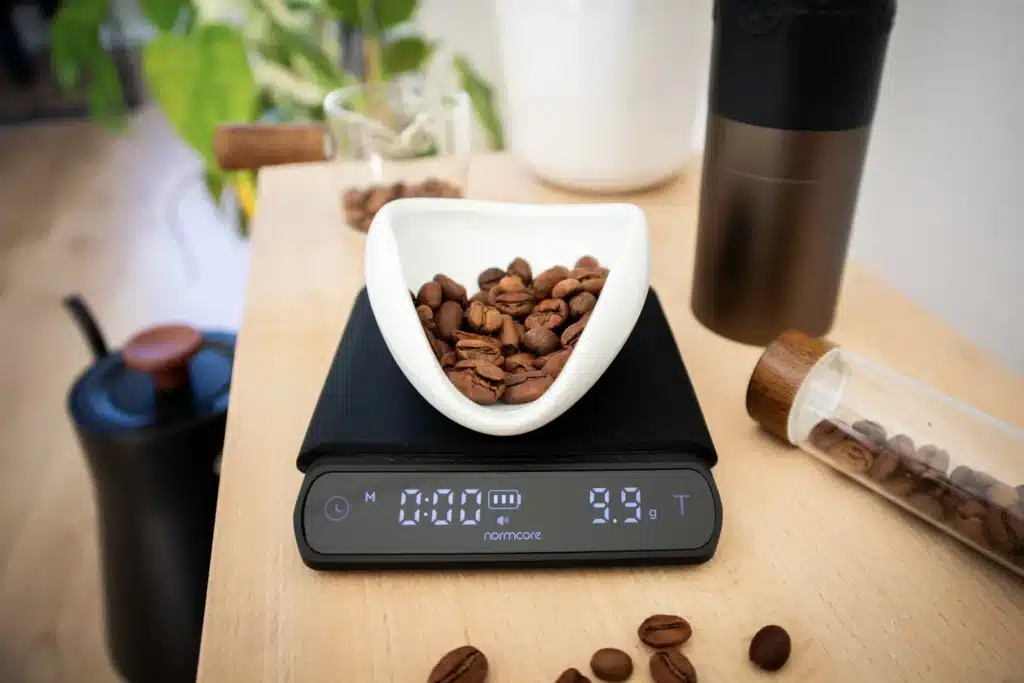
For a cup of about 250 ml (8.5 oz), 14 to 15 grams of coffee is a good starting point. That comes from the reference the SCA uses in its evaluation standard: 55 to 60 g of coffee per liter of water, or one part coffee to 17 or 18 parts water. From there, go up or down to taste.
Some methods work with different ratios, and that’s fine:
- French press: the NCA recommends 1:10 to 1:16. A 350 ml (12 oz) press takes 22 to 35 g, depending on how strong you like it.
- AeroPress: the manufacturer calls for 16–18 g of coffee and water up to the number 4 mark on the chamber.
- Espresso: the NCA gives a 1:2 ratio: for every gram of coffee, two grams of beverage.
- Cold brew: it’s made as a concentrate, at 1:4 or 1:5, and then diluted with water, milk, or ice.
No scale? Use one heaping tablespoon per small cup, as Chemex recommends for its brewer, and adjust with practice. Still, a simple kitchen scale is the best purchase you can make for your coffee: it lets you repeat the cup you loved.
The dose sets the strength. The grind sets how fast the flavor comes out, and it’s the next thing to dial in.
What grind size does each method need?
The rule is simple: the longer the coffee stays in contact with the water, the coarser the grind should be. Espresso, which takes seconds, needs a fine grind. A French press, which takes minutes, needs a coarse grind. Get it wrong and the coffee turns out bitter or watery, even if the beans are excellent.
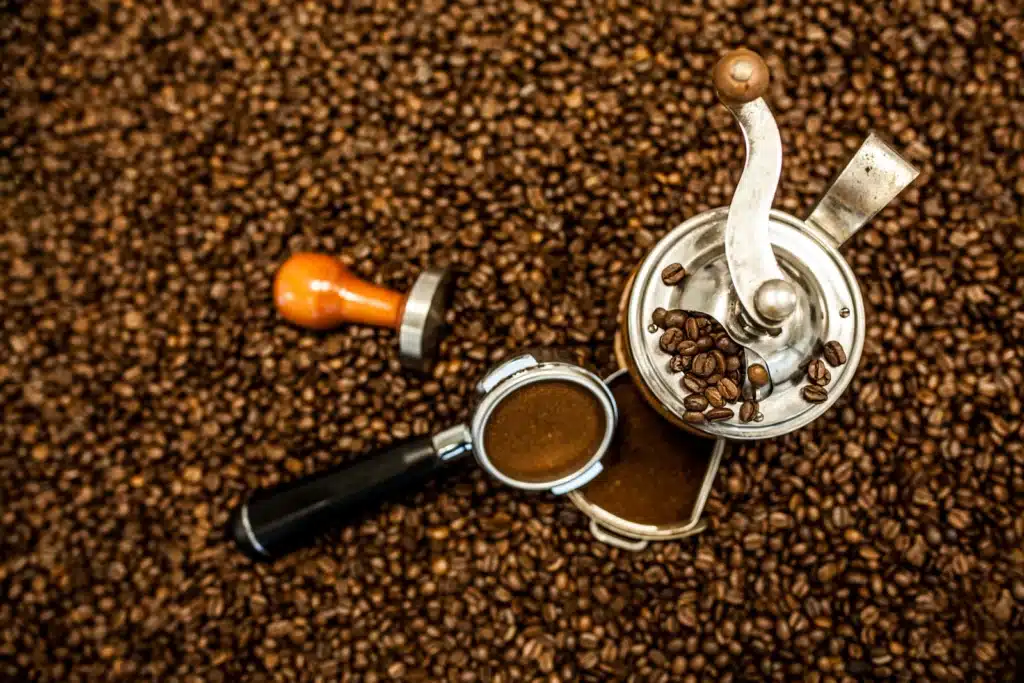
This is how the NCA describes the most common sizes:
- Coarse, like coarse sea salt: French press and cold brew.
- Medium, like kosher salt: drip coffee makers and pour-over methods like the V60.
- Medium-coarse: Chemex, according to its manufacturer.
- Medium-fine: AeroPress, according to its manufacturer.
- Fine, like table salt: espresso.
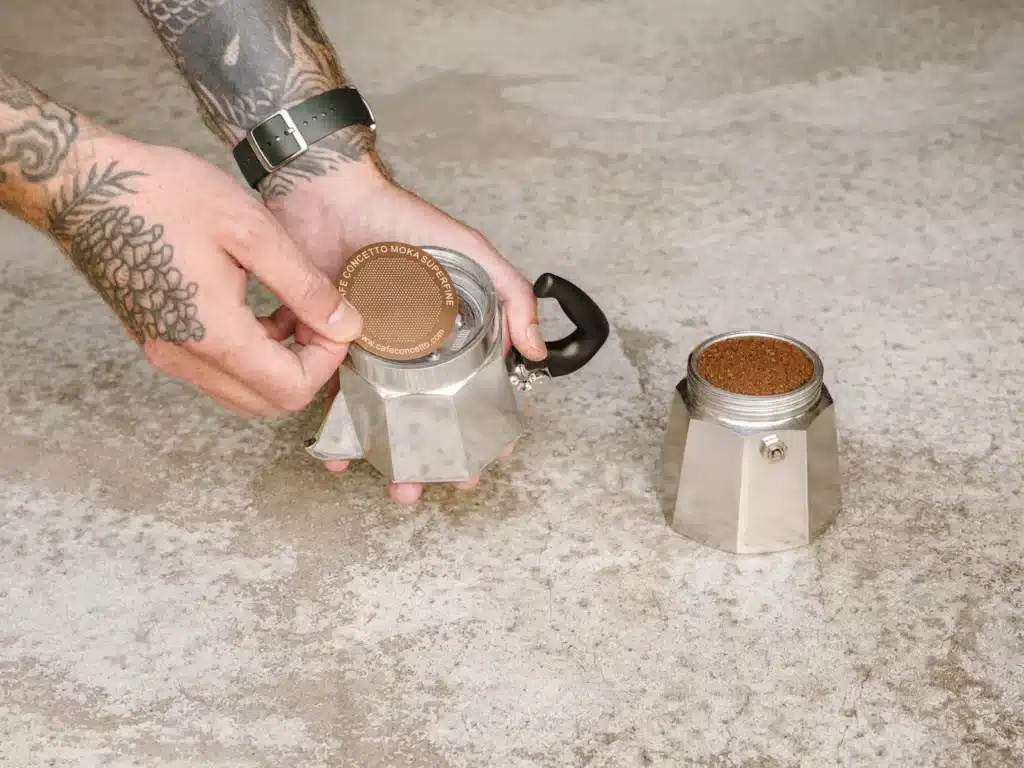
The moka pot is a special case. Bialetti’s manual calls for coffee ground for moka and warns against a fine grind, because it clogs the filter and makes the cup bitter.
If you can, buy whole bean coffee and grind it right before brewing: the NCA recommends it to preserve flavor. If you’d rather buy it ground, ask for the grind that matches your method. In our guide to whole bean vs. ground coffee, we explain when each option makes sense.
With dose and grind sorted, it’s time to pick the method that suits you.
Which method fits your time and taste?
If you want easy, start with the French press; if you want to taste the coffee’s notes, go with the V60; and if you like it strong, try the moka pot or the AeroPress. No method is better than another: there’s just one that fits your morning, your palate, and how much cleanup you’re up for.
Ask yourself three questions:
- How much time do you have? The AeroPress and the moka pot get it done in a few minutes. The V60 needs your attention while you pour. Cold brew is made the night before, so in the morning you just pour and drink.
- How do you like your coffee? If you like it light and aromatic, go for pour-over (V60 or Chemex). If you like body, go for immersion (French press). If you like it strong or with milk, go for pressure (moka pot, AeroPress, or espresso).
- How many people are you brewing for? The Chemex and the French press make several cups at once. The AeroPress and the V60 shine with one or two.
The beans matter too. A washed coffee, clean and balanced, works well in almost any method; that’s why our Sonsón washed coffee is the most versatile one to start with. A natural coffee, fruitier and more intense, shines in a French press or AeroPress. If you want to compare profiles, every bag in our specialty coffee shop lists its process and origin.
Each method has its own step-by-step guide: how to make French press coffee, V60 vs. Chemex vs. AeroPress: which to choose, how to use a moka pot, and what cold brew is and how to make it.
Once you’ve picked a method, there’s one ingredient almost nobody looks at that makes a big difference in the cup: water.
What water and temperature should you use?
Use filtered or good-quality water with no odors, and heat it until it’s close to boiling without reaching a rolling boil. Coffee is almost all water: if your water tastes like chlorine or pipes, so will your cup. Temperature changes extraction: too cool and the coffee tastes weak; at a hard boil, it can turn bitter.
These are the reference points the sources give:
- 93 °C (199 °F), give or take 3 degrees: the water temperature the SCA uses in its cupping protocol and the one the NCA recommends for French press.
- 85 °C (185 °F): the temperature AeroPress suggests in its instructions. If you don’t have a kettle with a thermometer, the manufacturer says you can use freshly boiled water.
- Take it off the heat and wait: Chemex says to remove the water from the heat and let it stop boiling vigorously before pouring.
- Moka pot on low heat: Bialetti recommends low heat and taking the pot off the stove once the top chamber fills.
No thermometer? A practical trick: bring the water to a boil, turn off the heat, and wait a few seconds before pouring. That way you won’t scorch the coffee.
Now you have everything that makes a good cup. Next up: what ruins it.
What mistakes ruin good coffee at home?
The most common mistakes are using the wrong grind for the method, eyeballing the dose, leaving the coffee in contact with the water too long, and storing it poorly. The good news: all of them can be fixed with small adjustments, without buying anything new.
- The coffee tastes bitter or harsh. It’s probably over-extracted: grind too fine, too much time, or boiling water. Grind coarser or shorten the brew time. With a French press, pour it all out as soon as you press: the NCA warns that coffee left in the press keeps extracting and turns bitter.
- The coffee tastes watery or sour. It’s under-extracted: grind too coarse, too little coffee, or too little time. Grind a bit finer or increase the dose.
- The moka pot coffee tastes burnt. The heat is too high or the coffee was tamped into the basket. Bialetti says never to tamp the coffee and to keep the flame from reaching past the edge of the pot.
- The flavor has gone flat. The coffee has lost its freshness. The NCA recommends storing it in an airtight container in a cool, dark place, and buying enough for one or two weeks at a time.
- Everything tastes off. Check your water and clean your gear: old coffee oils cling to filters, carafes, and grinders.
And the most common mistake of all: adding sugar before tasting it. Well-made coffee doesn’t need it. Taste it first; it might surprise you.

Broo Café Team
The coffee team at Broo Café, specialty coffee roasters in Medellín.
Content reviewed by the Broo Café Team.
Frequently asked questions
What is the easiest coffee brewing method for beginners?
The French press. It doesn’t need paper filters or any pouring technique: add coarsely ground coffee, pour in hot water, wait about four minutes, press, and serve. It’s hard to get wrong, and it forgives small mistakes in dose or timing.
Do I need a scale to make good coffee?
It’s not required, but it helps a lot. You can make a good cup with spoons, although each spoonful weighs a little differently depending on the grind. A kitchen scale lets you repeat the exact recipe you liked and adjust little by little.
Can I use the same coffee for every method?
Yes. The same coffee works in a V60, French press, moka pot, or AeroPress; what changes is the grind. That’s why it pays to buy whole bean and grind for each method, or to order it ground for the method you use most.
Is filter coffee or espresso better?
Neither is better: they’re different styles. Filter coffee makes a lighter, more aromatic cup, ideal for drinking black. Espresso is concentrated and full-bodied, perfect as a base for milk drinks. Choose based on how you like to drink it.
Can you reheat brewed coffee?
You can, but it loses aroma and usually tastes more bitter. It’s better to brew only what you’ll drink. If you have leftovers, enjoy them cold over ice or use them in a recipe instead of reheating.
Summary
- Coffee brewing methods fall into drip, immersion, pressure, and decoction; each one gives the cup a different profile.
- For a 250 ml (8.5 oz) cup, start with 14–15 g of coffee and adjust. Grind ranges from fine (espresso) to coarse (French press and cold brew).
- Clean water just off the boil and fresh, well-stored coffee make more of a difference than any expensive coffee maker.
Have a French press tucked away in your kitchen? Start there with our guide on how to make French press coffee. And if you already have a favorite method, tell us which one in the comments.
References
- Specialty Coffee Association. SCA Standard 102-2024: Coffee Value Assessment, Sample Preparation and Tasting Mechanics
- National Coffee Association. Pour-over coffee (grind guide by method)
- National Coffee Association. French press coffee
- National Coffee Association. Espresso
- National Coffee Association. Cold brew coffee
- National Coffee Association. Coffee storage and shelf life
- HARIO. V60 series: how to brew
- Chemex. Six cup classic: instructions for use
- AeroPress. How to use
- Bialetti. Moka Express manual