Specialty coffee is coffee recognized for its distinctive attributes, such as its flavor, its origin or the way it was produced, which give it extra value in the market.
As a reference point, Colombia’s National Federation of Coffee Growers (FNC) notes that on the SCA’s traditional cupping scale, a coffee is considered specialty from 80 points up (FNC, Caldas Committee).
These days almost every bag of coffee says “specialty,” “premium” or “single origin.” Standing in the coffee aisle, it’s hard to tell which ones actually are and which just have nice packaging. You pay more, get home, brew it, and the cup tastes the same as always. Frustrating, right?
In this guide we explain what specialty coffee is according to the Specialty Coffee Association (SCA) and Colombia’s National Federation of Coffee Growers. You’ll learn what the score on some labels means, how specialty differs from commercial coffee and what single-origin coffee is. We’ll also show you how to read a label in a minute so you can tell whether what you’re buying is worth the price. No cupper jargon: just enough to choose your next bag better.
What is specialty coffee?
According to the SCA, specialty coffee is a coffee, or a coffee experience, recognized for its distinctive attributes and, because of them, has significant extra value in the marketplace. Put more simply: it’s coffee people consider special because of how it tastes, where it comes from or how it was produced, and they’re willing to pay for that.
The SCA’s current definition goes beyond a number or a flavor note. It takes two types of attributes into account:
- Intrinsic attributes: what’s in the cup. Flavor, aroma and mouthfeel, meaning the body and texture you feel as you drink it.
- Extrinsic attributes: the information that comes with the coffee. Origin, producer, farming practices and processing method.
The SCA also recognizes that what counts as “special” varies by person and by market. For some it’s a memorable flavor. For others it’s the story behind the bean, a relationship with a local roaster or a commitment to sustainability.
In Colombia, the National Federation of Coffee Growers (FNC) talks about specialty coffees (cafés especiales). It defines them as coffees consumers value for their consistent, verifiable and sustainable attributes. Consumers are willing to pay higher prices for them, and that premium translates into greater well-being for producers.
Both definitions agree on something key: it isn’t enough for a coffee to taste good one day. It has to be consistent, and it has to be provable. To prove it, the industry uses a tool you’ve probably seen on a bag: the score.
What does the SCA score mean?
The SCA score is the rating a coffee receives in a professional cupping, a tasting carried out under a standard protocol. On the traditional scale, the FNC notes that a coffee is considered specialty from 80 points up. The higher the number, the more the lot stood out to the cuppers.
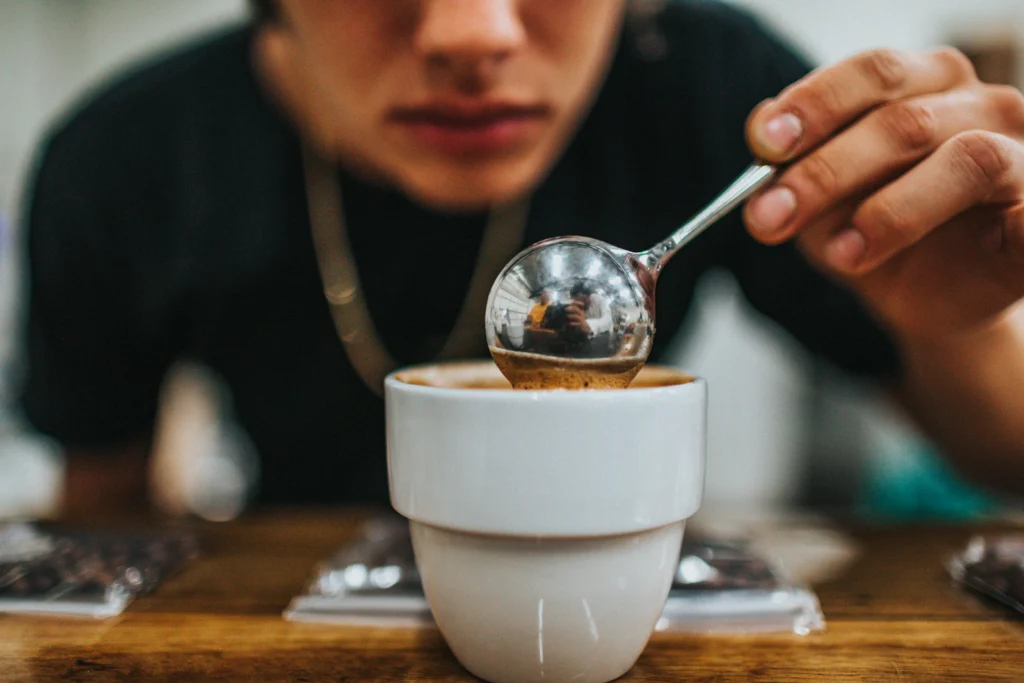
That number is still a useful reference for you as a buyer. But keep in mind that the SCA no longer evaluates coffee with a single score. It now uses the Coffee Value Assessment (CVA), a system that combines four complementary assessments to capture a coffee’s full value:
| CVA assessment | What it looks at | What it tells you |
|---|---|---|
| Physical | Bean color, defects, moisture and size | Whether the green coffee arrived sound and well sorted |
| Descriptive | Aroma, flavor, texture and aftertaste, using a standard vocabulary | Which notes you’ll find in the cup |
| Affective | The evaluator’s impression of quality, based on their own preference or their market’s | How much the person who tasted it liked that coffee |
| Extrinsic | Information beyond the cup: certifications, origin traceability and processing data | Where it comes from and how it was produced |
What does this mean in practice? A number on the label gives you a clue, but it doesn’t tell you everything. Two coffees with the same score can taste very different: one like chocolate, the other like red berries. That’s why it pays to read the flavor notes, the origin and the process too.
An example close to home: Broo’s current lots are cupped at SCA 86. That’s useful information, but what really helps you choose is knowing that one is washed and balanced, and another is natural and fruity.
With the score sorted out, let’s look at what separates specialty coffee from everyday coffee.
How is it different from commercial coffee?
The difference comes down to traceability, sorting and flavor: specialty coffee tells you where it comes from and is handled to show off its character, while commercial coffee usually aims for a uniform taste and a low price. It’s not that one is “good” and the other “bad.” They meet different needs.
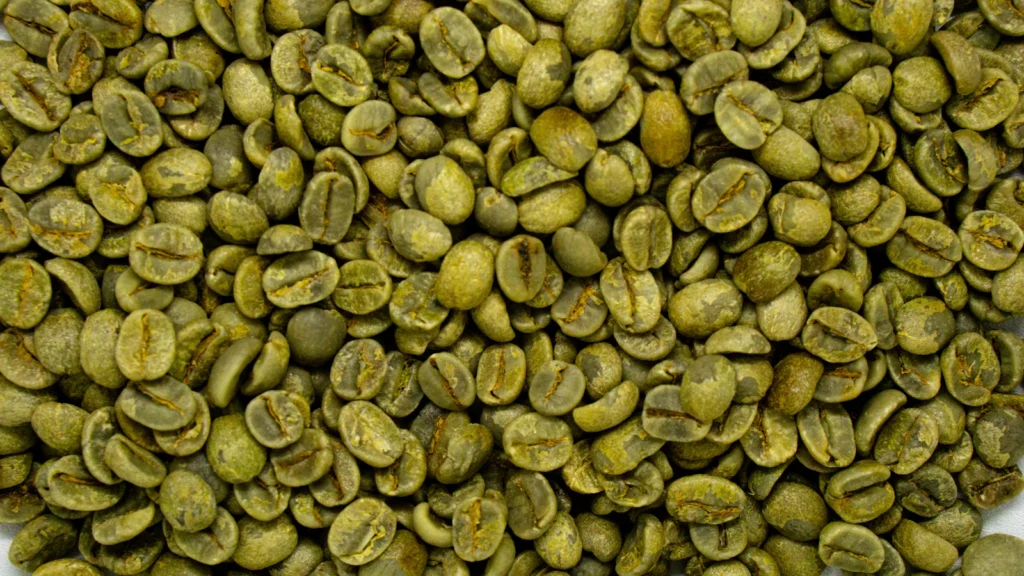
This table sums up the differences you’ll notice most as a consumer:
| Aspect | Specialty coffee | Commercial coffee |
|---|---|---|
| Origin | Names the region, farm or producer | Usually lists only the country, or nothing |
| Process | Shown on the label (washed, natural, honey) | Rarely mentioned |
| Roast | Designed to highlight that lot’s notes | Usually darker, for a uniform taste |
| Date | Shows the roast date | Shows only the expiration date |
| Flavor | Recognizable notes: fruit, chocolate, panela (unrefined cane sugar), flowers | Tastes “like coffee,” sometimes bitter or flat |
| Price | Higher, with value for the producer | Lower, built for volume |
Roast deserves a special mention. The National Coffee Association (NCA) explains that lighter roasts preserve more of a coffee’s unique qualities than a dark roast does. That’s why specialty coffee is rarely roasted until it’s black and shiny: you’d lose exactly the notes that make it special.
Commercial coffee has its place. It’s convenient, it goes a long way and it’s everywhere. But if you’ve ever felt that coffee “tastes burnt” and you add sugar because of it, chances are you’ve never had one that was roasted well. In our specialty coffee shop, every bag lists its origin, process and flavor profile so you can compare without guessing.
One of those clues, origin, has its own name in the coffee world.
What is single-origin coffee?
Single-origin coffee comes from one identifiable place, whether a farm, a region or a country, instead of a blend of many origins. The NCA explains that this type of coffee aims to showcase a distinctive flavor profile tied to a strong sense of place. It’s coffee that “tastes of its land.”
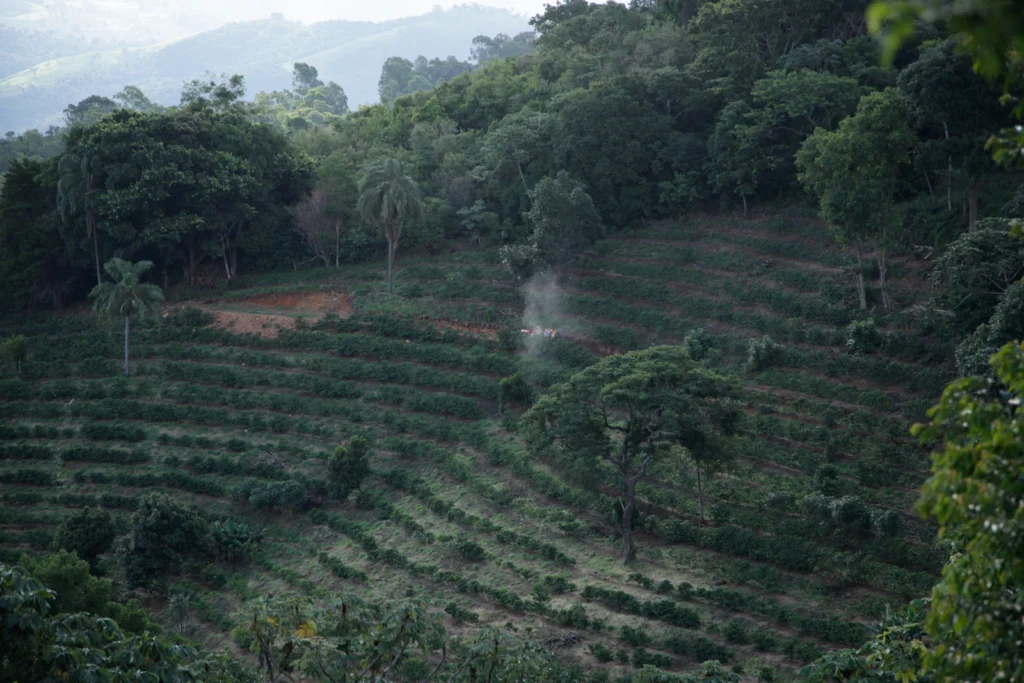
That sense of place has a name: terroir. The NCA describes it as the sum of the soil, the climate, the sunlight, the vegetation around the coffee farm and the altitude. All of it leaves its mark on the cup.
The more precise the origin, the more information you have:
- Country: “Coffee from Colombia” is a good start, but it’s very broad.
- Region or municipality: Sonsón, Andes or Caicedo, in Antioquia, already tell you a lot more.
- Farm or producer: the finest level of traceability.
Origin doesn’t work alone. The way the coffee cherry is processed after harvest changes the flavor enormously. The same municipality can produce a clean, balanced coffee if it’s washed, or a fruity, intense one if it’s natural. A good example is our Caicedo natural coffee: drying it with the fruit on gives it sweet, fruity notes a washed coffee wouldn’t have. If you want to understand why, we cover it in our guide to coffee processing methods: washed, natural and honey.
And if you’re wondering which Colombian regions stand out and how to choose between them, check out our guide on how to choose the best Colombian coffee.
Now you know what to look for. Next, how to find it on a label.
How can you tell if a coffee is specialty?
Look at the label: at a minimum, a specialty coffee tells you its origin, its process, its roast level and its roast date. If the bag only says “100% coffee” and has an expiration date far in the future, it probably isn’t specialty. Transparency is the first sign, because the SCA’s definition rests precisely on attributes that can be verified.
Check these four details in order:
- Origin. Look for a region or municipality, not just the country. The more precise, the better. If the plant variety is listed too, even better; our guide to types of coffee explains the most common ones.
- Process. Washed, natural or honey. It hints at the profile: washed tends to be clean and balanced; natural, fruity and intense; honey, sweet and creamy.
- Roast. Light, medium or dark. Remember that a dark roast masks the notes of the origin. In specialty coffee, light and medium roasts are the most common.
- Roast date. This is the detail that tells you most about freshness. The NCA explains that coffee starts losing freshness almost immediately after roasting. That’s why it matters to know when it was roasted, not just when it expires.
Other clues help too: the flavor notes, the producer’s name or a cupping score.
And then comes the real test: the cup. Brew it with your usual method and taste it without sugar. A well-brewed specialty coffee has its own sweetness, a pleasant acidity and a clean finish. If it only tastes bitter, something went wrong with the bean, the roast or the brewing.
Great, now you know how to spot it. That leaves the question of your wallet.
Is it worth paying more for?
Yes, if you value flavor and want to know what you’re drinking: you’re paying for coffee that’s carefully sorted, traceable and roasted to show off its character. On top of that, according to the FNC, the higher price consumers pay translates into greater well-being for producers. Your cup has a real impact at the farm.
Let’s run the numbers the other way around. Cheap commercial coffee usually needs sugar, milk or both to be enjoyable. Specialty coffee is enjoyable on its own, and that changes the whole experience. Well-made coffee doesn’t need sugar; if you add it, it’s because you like it, not because you have to.
To get the most out of your money, keep three things in mind:
- Buy in small amounts. A 250 g (8.8 oz) or 340 g (12 oz) bag lets you drink your coffee fresh and try different origins without committing to just one.
- Choose whole bean if you have a grinder. You grind right before brewing and keep more aroma. If you don’t have one, order it ground for your method.
- Brew it well. The best beans in the world turn out badly with the wrong grind or water at a rolling boil.
If you’re ready to take the leap, start with a profile that feels familiar. A washed coffee, clean and balanced, is the easiest way in. A natural is for when you want to be surprised. Broo’s coffees are 100% Colombian Arabica from Antioquia, available whole bean or ground, and every bag lists its process so you can choose without guessing.
In the end, specialty coffee isn’t an out-of-reach luxury. It’s the difference between drinking coffee out of habit and drinking it because you truly enjoy it.

Broo Café Team
The coffee team at Broo Café, specialty coffee roasters in Medellín.
Content reviewed by the Broo Café Team.
Frequently asked questions
Does specialty coffee have more caffeine?
Not because it’s specialty. Caffeine depends mainly on the species: according to the National Coffee Association, Arabica has less caffeine than Robusta. A specialty Arabica won’t give you an extra energy kick; what changes is the flavor.
Is specialty coffee always organic?
No. Organic is a certification about how coffee is grown, while specialty refers to the coffee’s value and attributes. A coffee can be both, just one or neither. If organic matters to you, look for the certification seal on the label.
How long does specialty coffee stay fresh?
It depends on how you store it. The National Coffee Association recommends buying enough for one or two weeks and keeping it in an airtight container in a cool, dark place. Whole beans keep their aroma longer than ground coffee.
Can you drink specialty coffee with milk?
Absolutely. A good coffee still shines in a latte or a cappuccino. Profiles with chocolate or panela notes pair really well with milk. Just try a cup on its own first, so you get to know its flavor before adding anything.
Does Colombia only produce specialty coffee?
No. Colombia is famous for its high-quality washed coffee, but not everything it produces is specialty. To qualify, a lot has to stand out for attributes that can be verified, such as its flavor, its origin or the way it was produced.
Summary
- According to the SCA, specialty coffee is coffee recognized for its distinctive attributes, which give it extra value in the market; the definition goes beyond a single score.
- The cupping score is a good reference (the FNC puts the specialty threshold at 80 points), but origin, process and flavor notes tell you as much as the number.
- To spot it, read the label: origin, process, roast and roast date. And taste it without sugar.
Want to understand why a washed and a natural coffee from the same country taste so different? Keep reading with our guide to coffee processing methods: washed, natural and honey. And if you already have a favorite specialty coffee, tell us which one in the comments.
References
- Specialty Coffee Association. What is specialty coffee?
- Specialty Coffee Association. The Coffee Value Assessment
- Federación Nacional de Cafeteros, Comité de Caldas. Marquetalia celebró sus 100 años con el 1.er concurso de cafés tostados (in Spanish)
- Federación Nacional de Cafeteros. Cafés especiales (in Spanish)
- Federación Nacional de Cafeteros, Comité del Cauca. Glosario: Lavado (in Spanish)
- National Coffee Association. Roasts
- National Coffee Association. Varieties
- National Coffee Association. Coffee storage and shelf life