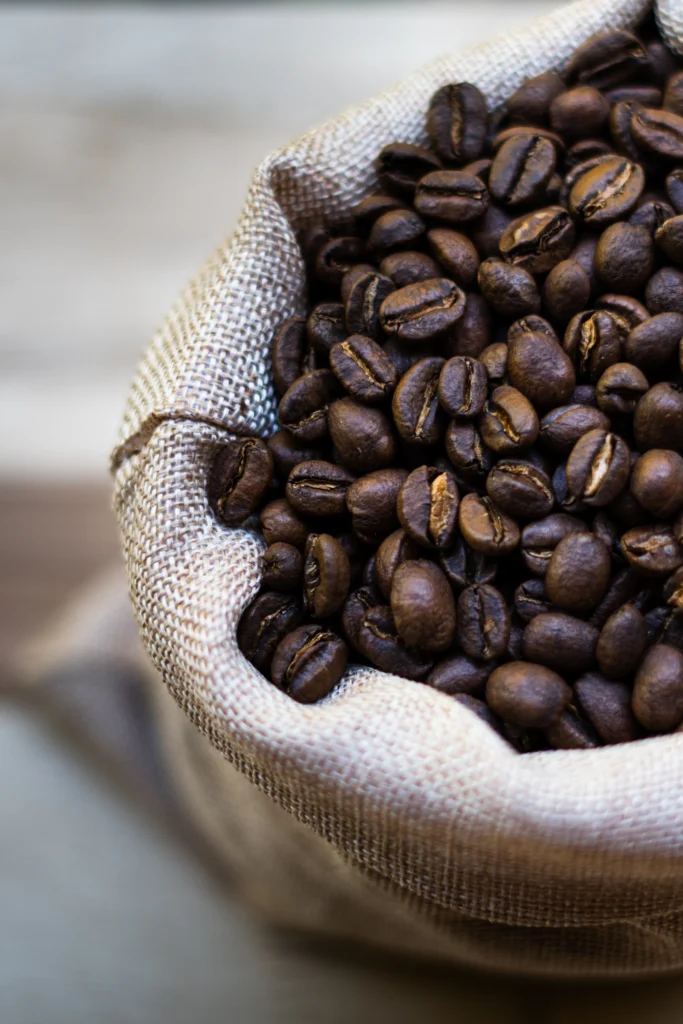
Coffee traceability means being able to follow the bean’s journey from the farm to your cup: where it was grown, who grew it, how it was processed, and who roasted it.
Starting December 30, 2026, the European Union will require medium and large companies to prove that the coffee they sell there doesn’t come from deforested land; micro and small companies will have until June 30, 2027 (European Commission).
A coffee bag used to say “Café de Colombia,” and that was enough. Today people ask more: which region? Which town? Who grew it? And Europe, one of the world’s biggest coffee buyers, is no longer just asking: it’s going to require it by law.
In this guide, we explain what coffee traceability is, what the EU deforestation regulation requires, when it applies, and why Colombia is better prepared than many countries. You’ll also see the challenges small coffee farmers face and how to read a label to find out where your coffee comes from.
What is coffee traceability?
Coffee traceability is the ability to track each lot along the entire chain: farm, wet mill, dry mill (hulling), export, roasting, and sale. A traceable coffee lets you know where it comes from and whose hands it passed through before reaching your cup.
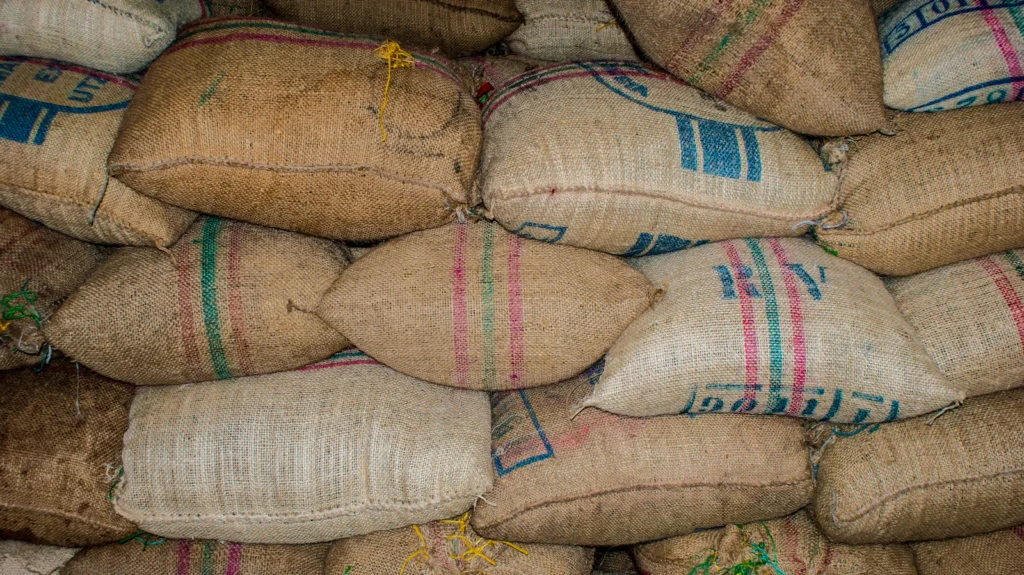
In practice, a traceable coffee answers five questions:
- Where was it grown? Country, department, town and, ideally, the farm.
- Who grew it? The producer, the family, or the association.
- How was it processed? Washed, natural, honey, or another process.
- When? The harvest and the roast date.
- Who roasted and packed it?
The more questions the label answers, the more traceable the coffee. A coffee that only says “100% Colombian” answers one question out of five.
Traceability isn’t the same as quality, but the two go hand in hand. To assess a specialty coffee, the cupper needs to know which lot it comes from. We explain it in what specialty coffee is.
What does the EU deforestation regulation require?
The EU deforestation regulation, known as the EUDR, bans selling coffee, cocoa, palm oil, and other products in the European Union if they come from land deforested after December 31, 2020. Companies must prove it with verifiable information.
The regulation covers seven commodities linked to deforestation: cattle, wood, cocoa, soy, oil palm, coffee, and rubber. The European Commission explains that operators must be able to prove their products don’t come from recently deforested land and don’t contribute to forest degradation.
What does that mean for coffee? That European buyers need to know exactly which plot each lot came from. StoneX sums it up: from the end of 2026, all coffee entering the European Union must be traceable to the farm level and verified as deforestation-free.
The Commission also classifies countries by their deforestation risk for these products. That classification determines how thorough the companies’ due diligence has to be.
The list of products is also growing. According to the Commission, instant coffee will be covered by the regulation starting December 30, 2027.
When does the EU regulation apply?
For medium and large companies, the regulation applies from December 30, 2026. For micro and small companies, from June 30, 2027. These are the current dates published by the European Commission.
It’s not the first date to be announced. The regulation was supposed to apply at the end of 2025, but the European Union postponed it by a year through an amendment published in December 2025, according to the firm EY.
That history of delays created uncertainty along the chain. Many small players, Mongabay reports, chose to wait before investing in data collection. With the deadline now close, there’s little time left to prepare.
For coffee farmers, the date matters even if they don’t export directly. Whoever buys their coffee, whether a cooperative or an exporter, will need their location data to be able to sell in Europe. That’s why the traceability conversation is reaching all the way to the veredas, Colombia’s rural farming communities.
One important detail: the EUDR applies to coffee entering the European market. It doesn’t change the rules for coffee sold within Colombia. Even so, it’s pushing the whole chain to get its origin data in order.
How does it affect Colombian coffee?
About a quarter of Colombia’s coffee exports go to Europe, so the regulation matters a lot. The good news is that the country is better prepared than many producers thanks to its coffee information system.
The Colombian Coffee Growers Federation (FNC) runs SICA (Sistema de Información Cafetera, its coffee information system), a georeferenced database created in the early 1990s. According to Mongabay, it holds detailed records on about 1.8 million coffee plots and socioeconomic data on nearly 500,000 families.
That fieldwork is no small thing. Mongabay reports that the FNC has more than 1,000 agronomists and technicians collecting coffee farmers’ consent to share their data. The Federation is present in more than 600 of the country’s 1,103 municipalities, giving it a reach few producing countries can match.
StoneX agrees: Colombia’s centralized data infrastructure helps exporters carry out due diligence more efficiently than in many competing countries. It even expects Colombia to strengthen its position in Europe, especially in Arabicas.
There’s room to grow. According to Eurostat figures cited by StoneX, in 2023 Colombia supplied about 4% of the European Union’s coffee imports, compared with 34% from Brazil and 24% from Vietnam.
Colombian coffee is grown on more than 800,000 hectares, in 23 of the country’s 32 departments, according to Mongabay. If you want to get to know the regions, read the best Colombian coffee.
Why is it a challenge for small coffee farmers?
Because Colombian coffee comes mostly from smallholders. For a family with just a few hectares, proving coordinates, land titles, and labor compliance can be difficult and expensive, even if their coffee has nothing to do with deforestation.
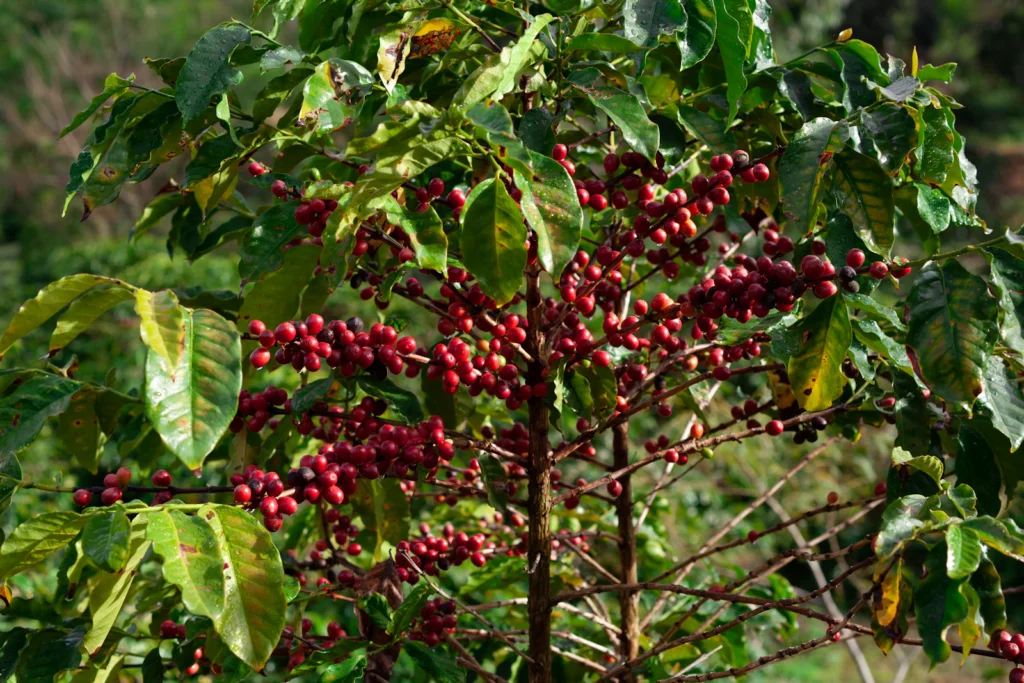
According to Mongabay, about 70% of Colombian coffee is produced by smallholders, and more than 76% of coffee growers work in family-run operations. The sector employs some 2.5 million people.
The experts Mongabay spoke with point to these challenges:
- Informal labor: harvest labor often doesn’t meet all national labor requirements.
- Land: unclear or untitled land tenure is a major legal hurdle.
- Information: many small producers know little about what the regulation requires.
- Costs: collecting and verifying data costs money, and small players tend to put off that investment.
Some cases show the size of the challenge. Mongabay interviewed Silver Polo Palomino, a coffee farmer and representative of an organic producers’ association in Ciénaga, Magdalena. He estimates that middlemen keep about 60% of the profits from his coffee. The report also notes that Indigenous coffee-growing communities in the Sierra Nevada have fewer contacts and channels to prove traceability and reach Europe.
StoneX warns of a risk of internal fragmentation. Large exporters could concentrate access to Europe, while some small producers would have to look for other markets. That’s why buying coffee with a name behind it, and paying well for quality, matters so much.
The weather is also working against farmers this year. Read how El Niño affects coffee farms.
How can you tell if your coffee is traceable?
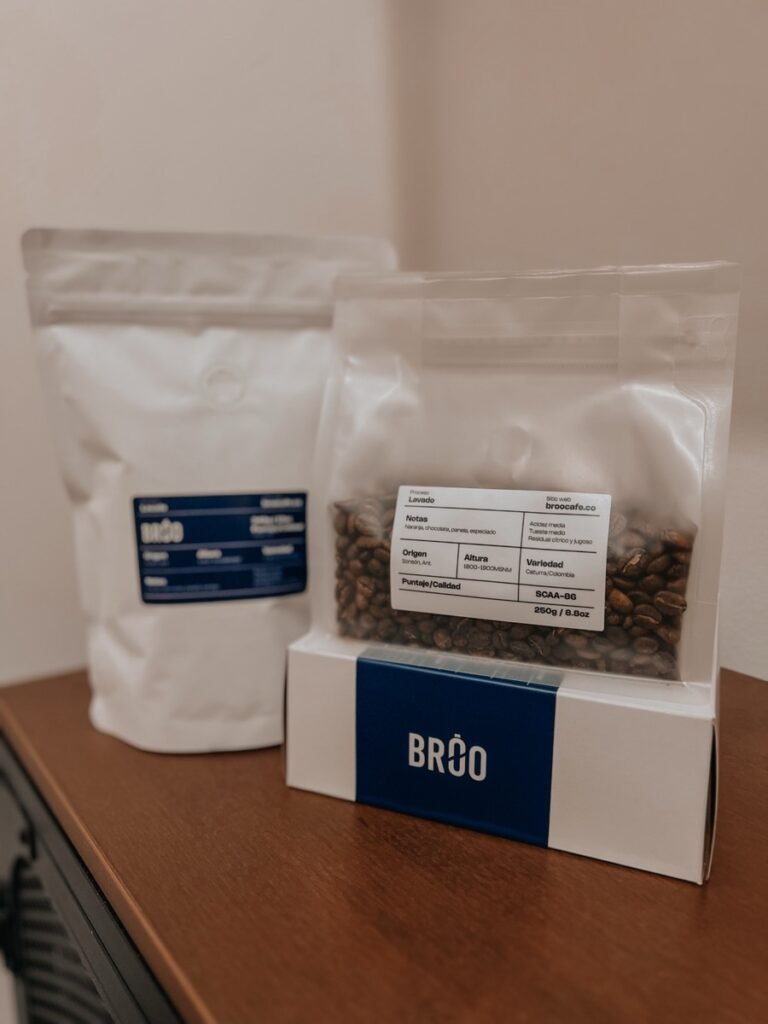
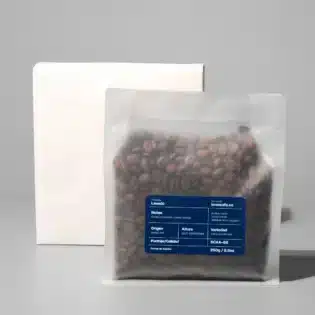
Look at the label. A traceable coffee says more than the country: it lists the region and town, the process, and the roast date. If it also names the farm, the variety, or the altitude, even better.
Here’s a quick checklist for your next bag:
- Region and town, not just “Colombia.”
- Process: washed, natural, honey, or other.
- Roast date, not just an expiration date.
- Variety and altitude, if the roaster knows them.
- Name of the farm or the producer.
The roast date deserves special attention. It’s the detail that tells you how fresh the coffee is, and the expiration date doesn’t replace it. A coffee can be far from expiring and still have lost much of its aroma. In whole bean vs. ground coffee, we explain how long each one lasts and how to store it so it keeps its flavor.
If the bag only says “100% Colombian coffee,” it’s coffee from Colombia, but you don’t know much more. In coffee processing methods, we explain what each process on the label means.
Our coffees carry their town of origin in the name: Sonsón washed coffee, Caicedo natural coffee, and Andes washed coffee, all three from Antioquia. That way you know, right from the package, which corner of the country your cup comes from.
Coffees from this guide



Broo Café Team
The coffee team at Broo Café, specialty coffee roasters in Medellín.
Content reviewed by the Broo Café Team.
Frequently asked questions
What does EUDR stand for?
It stands for the European Union Deforestation Regulation, the EU’s rule on deforestation-free products. It requires that coffee, cocoa, and other commodities sold in Europe don’t come from land deforested after December 31, 2020.
Does the EUDR apply to coffee sold in Colombia?
No. It applies to coffee entering the European Union market. Coffee you buy in Colombia isn’t subject to that rule, but the regulation is pushing the entire coffee chain to do a better job of recording the origin of each lot.
Is traceable coffee the same as organic coffee?
No. Traceable means the coffee’s origin and journey are known. Organic is a certification about how it’s grown, without certain synthetic chemical inputs. A coffee can be traceable without being organic, and vice versa, although sometimes it’s both.
What is the Colombian Coffee Growers Federation’s SICA?
It’s the Sistema de Información Cafetera, the coffee information system of the Colombian Coffee Growers Federation (FNC). According to Mongabay, it brings together georeferenced data on about 1.8 million plots and socioeconomic data on nearly 500,000 coffee-growing families, which makes it easier to prove origin.
Is traceable coffee more expensive?
Not always. But it usually comes from shorter, more transparent supply chains, where you know who produced the coffee and how much they were paid. That information has a cost, and it also has value for anyone who wants to know what they’re drinking.
Summary
- Coffee traceability means being able to follow the bean from farm to cup: origin, producer, process, harvest, and roast.
- The EU deforestation regulation applies from December 30, 2026, to medium and large companies, and from June 30, 2027, to small ones.
- Colombia is better prepared thanks to SICA, but small producers face challenges around land, informal labor, and costs.
Want to learn how to read the origin on a label? Keep going with our guide to the best Colombian coffee. And tell us in the comments which detail you look for first when you buy coffee.
References
- European Commission. Regulation on deforestation-free products
- Mongabay (March 2026). Colombia’s coffee industry well placed but wary as EU deforestation rule looms
- StoneX (May 21, 2026). EUDR reshapes coffee trade flows as EU import market faces structural reset
- EY Tax News. EU Deforestation Regulation application postponed to 30 December 2026