Coffee beans are the roasted seeds of the coffee plant’s fruit; kept whole, they hold their aroma longer than pre-ground coffee.
According to the National Coffee Association (NCA), in an airtight container whole bean coffee stays fresh for 1 to 3 weeks at room temperature, and ground coffee for 1 to 2 weeks (NCA, Storage and shelf life).
You open a bag of freshly roasted coffee, and the whole kitchen smells heavenly. Two weeks later, the same coffee tastes like cardboard. You didn’t imagine it: coffee loses its aroma to air, light, heat, and moisture. And once it’s ground, it loses it even faster.
In this guide, we answer the age-old question: should you buy whole bean or ground coffee? You’ll see how long each one lasts, how to grind at home with or without a grinder, what grind each brewing method calls for, and how to store coffee so it doesn’t lose its flavor. No lab rules: just what actually changes your morning cup.
In this article
- What are coffee beans and how do they end up in your cup?
- Is it better to buy whole bean or ground coffee?
- How long do whole bean and ground coffee last?
- How to grind coffee at home (with or without a grinder)?
- What grind size should you use for each method?
- How to store coffee so it keeps its flavor?
What are coffee beans and how do they end up in your cup?
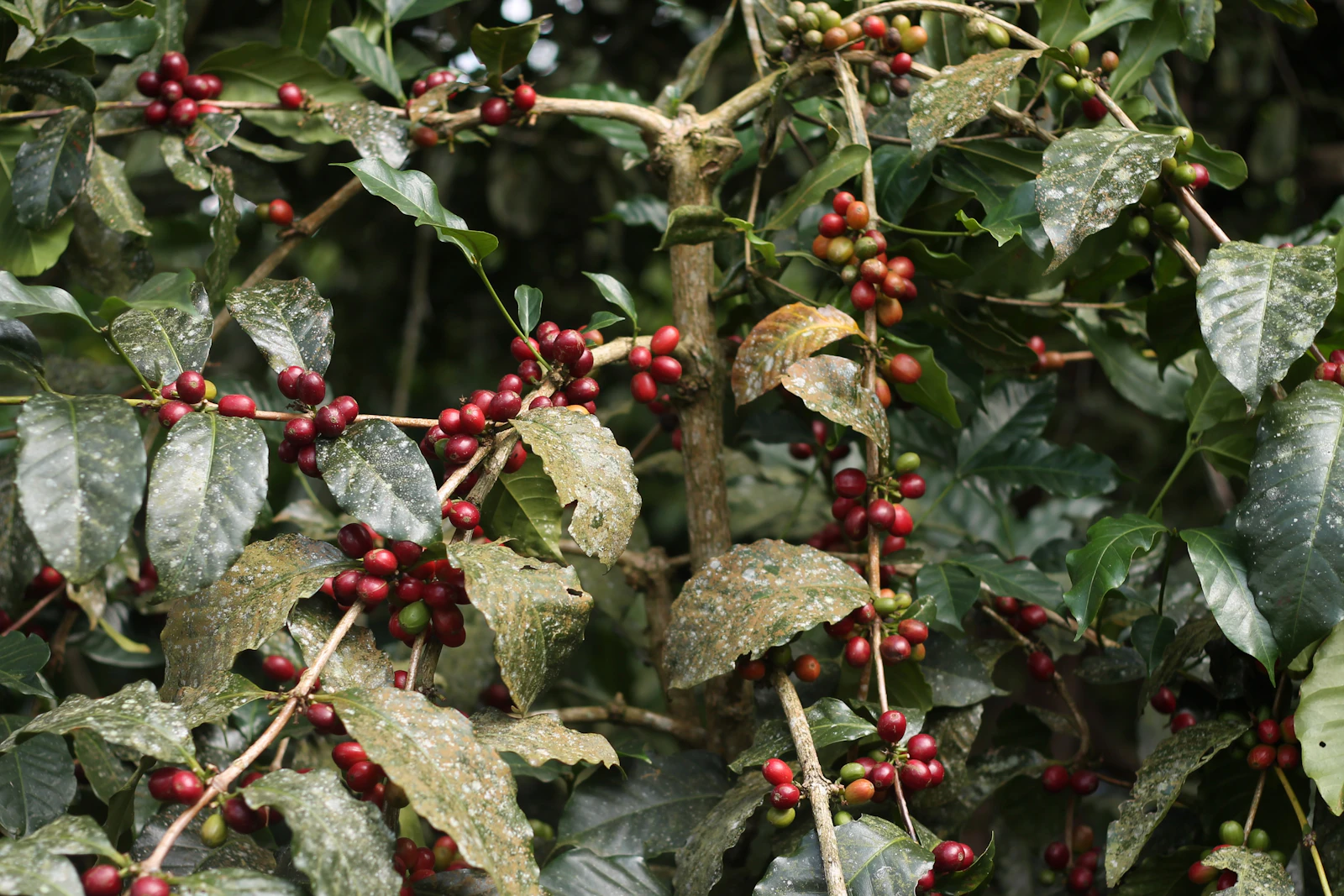
Coffee beans are the seeds of the coffee plant’s fruit, which are harvested, dried, roasted, and then ground for brewing. That’s how the NCA explains it: what we call a “bean” is actually a seed. Every step along the way changes the final flavor, from the farm to your grinder.
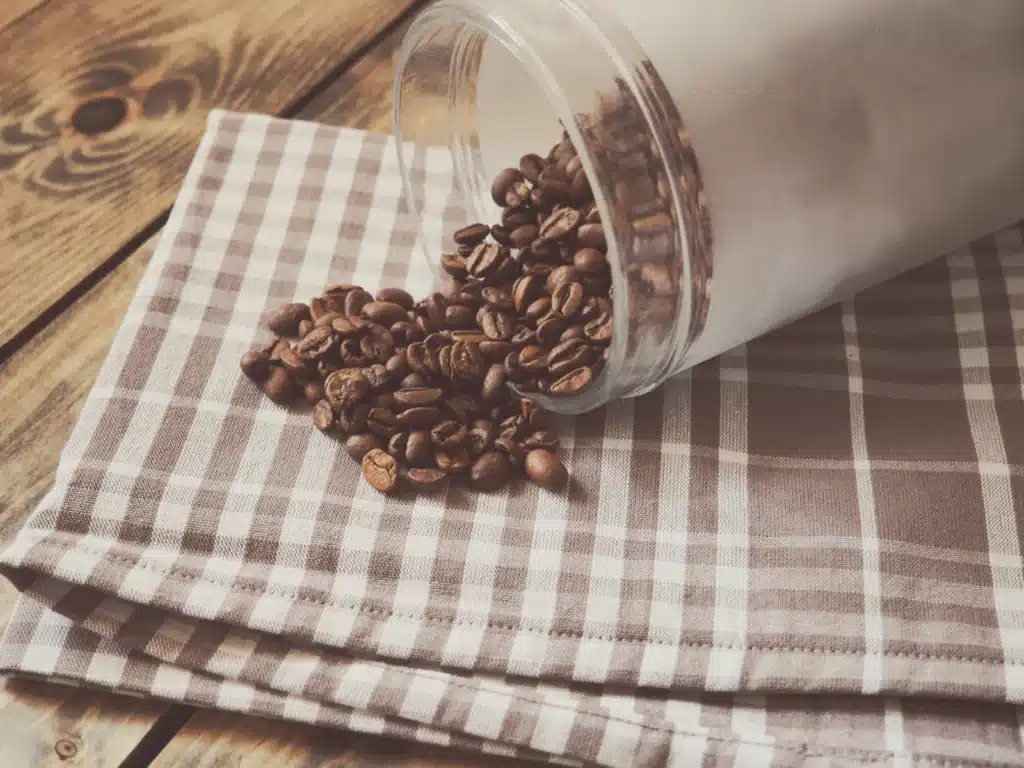
Here’s the journey, in short:
- The cherry. The coffee plant produces a fruit, the coffee cherry. Inside is the seed that will later become your bean.
- The process. At the farm, the seed is separated from the fruit. In a washed coffee, the pulp is removed; in a natural coffee, the fruit and seed are dried together. That makes a big difference in the cup profile.
- The roast. The green bean is roasted and develops the aromas you recognize as coffee. From that moment on, it starts to lose freshness.
- The grind. Grinding opens up the bean and lets its flavor out into the water. It also exposes it to air.
- The brew. Water extracts what the bean has to offer. This is where the grind and the method have to go hand in hand.
That’s why two bags from the same origin can taste different. Our coffees are 100% Colombian Arabica from origins in Antioquia like Sonsón, Andes, and Caicedo, with a medium roast. If you want to see how to use each coffee in each brewer, our guide to coffee brewing methods is the complete map. Now, the big question: whole bean or ground?
Is it better to buy whole bean or ground coffee?
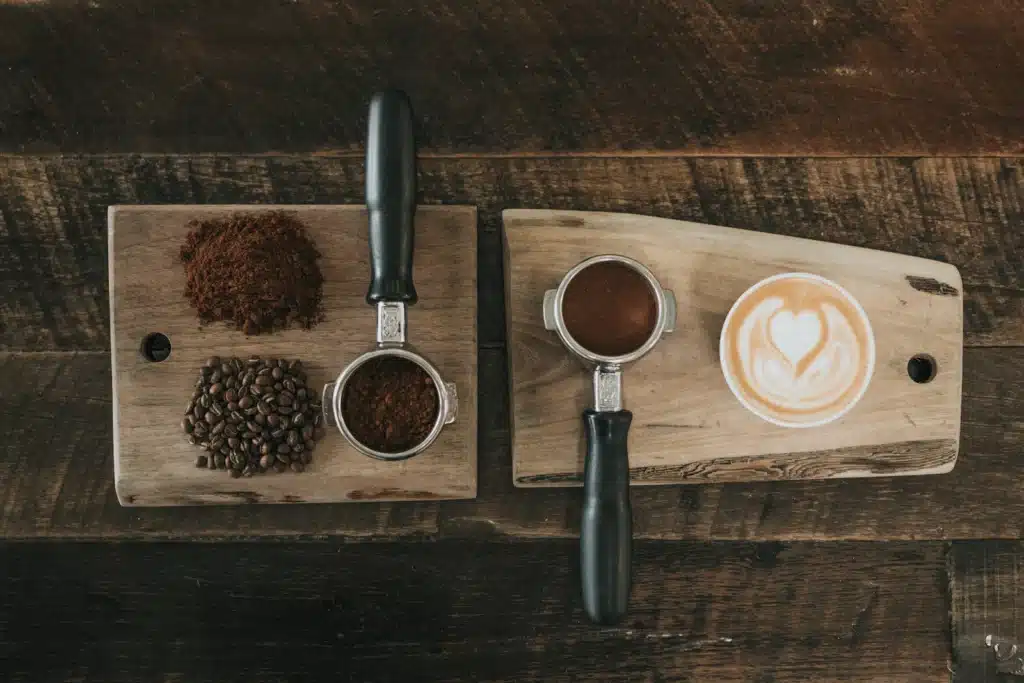
If you’re after the best flavor, buy whole bean coffee and grind it right before brewing: that’s what the NCA recommends. Ground coffee is more convenient and works well if you go through it quickly and order it ground for your method. The choice depends on your routine, your coffee maker, and whether you have a grinder.
Here’s how the two options compare:
| Factor | Whole bean coffee | Ground coffee |
|---|---|---|
| Freshness at room temperature (NCA) | 1 to 3 weeks | 1 to 2 weeks |
| Aroma when brewing | At its peak, because you grind it fresh | Fades a little more each day |
| Equipment needed | A grinder | None |
| Flexibility | You can grind it for any method | Ready for just one method |
| Best for | People who enjoy the ritual and use several methods | People who want speed and always use the same coffee maker |
Our advice is simple: if you have a grinder or plan to buy one, go with whole bean. If not, ground coffee is fine, as long as you buy small amounts and keep it tightly sealed.
Our coffees come in 250 g and 340 g bags, and you can order them whole bean or ground. The 250 g Andes washed coffee is a good option for trying it out without overbuying. The 340 g Sonsón washed coffee, clean and balanced, goes further if coffee disappears fast at your house. Let’s see how long each one holds up.
How long do whole bean and ground coffee last?
Whole bean coffee stays fresh for 1 to 3 weeks at room temperature, and ground coffee for 1 to 2 weeks, always in an airtight container. Those are the NCA’s figures for coffee that has already been opened. An unopened bag lasts until the date printed on the package, but the clock started ticking the moment it was roasted.
Here’s the NCA’s full table:
| Type of coffee | Stays fresh for |
|---|---|
| Unopened bag (whole bean or ground) | Until the best-by date |
| Roasted whole beans, at room temperature | 1 to 3 weeks |
| Roasted whole beans, in the fridge | 2 weeks |
| Roasted whole beans, frozen | 3 to 4 months |
| Ground coffee, at room temperature | 1 to 2 weeks |
Why doesn’t ground coffee last as long? When you grind it, the bean breaks into thousands of tiny pieces. There’s much more surface area exposed to air, and air is one of coffee’s enemies, along with moisture, heat, and light.
Keep in mind: losing freshness doesn’t mean it goes bad overnight. It means your cup comes out flatter, with less aroma and less sweetness. That’s why the NCA recommends buying small amounts, enough for one or two weeks. And if you’re going to buy whole bean, you need to know how to grind it.
How to grind coffee at home (with or without a grinder)?
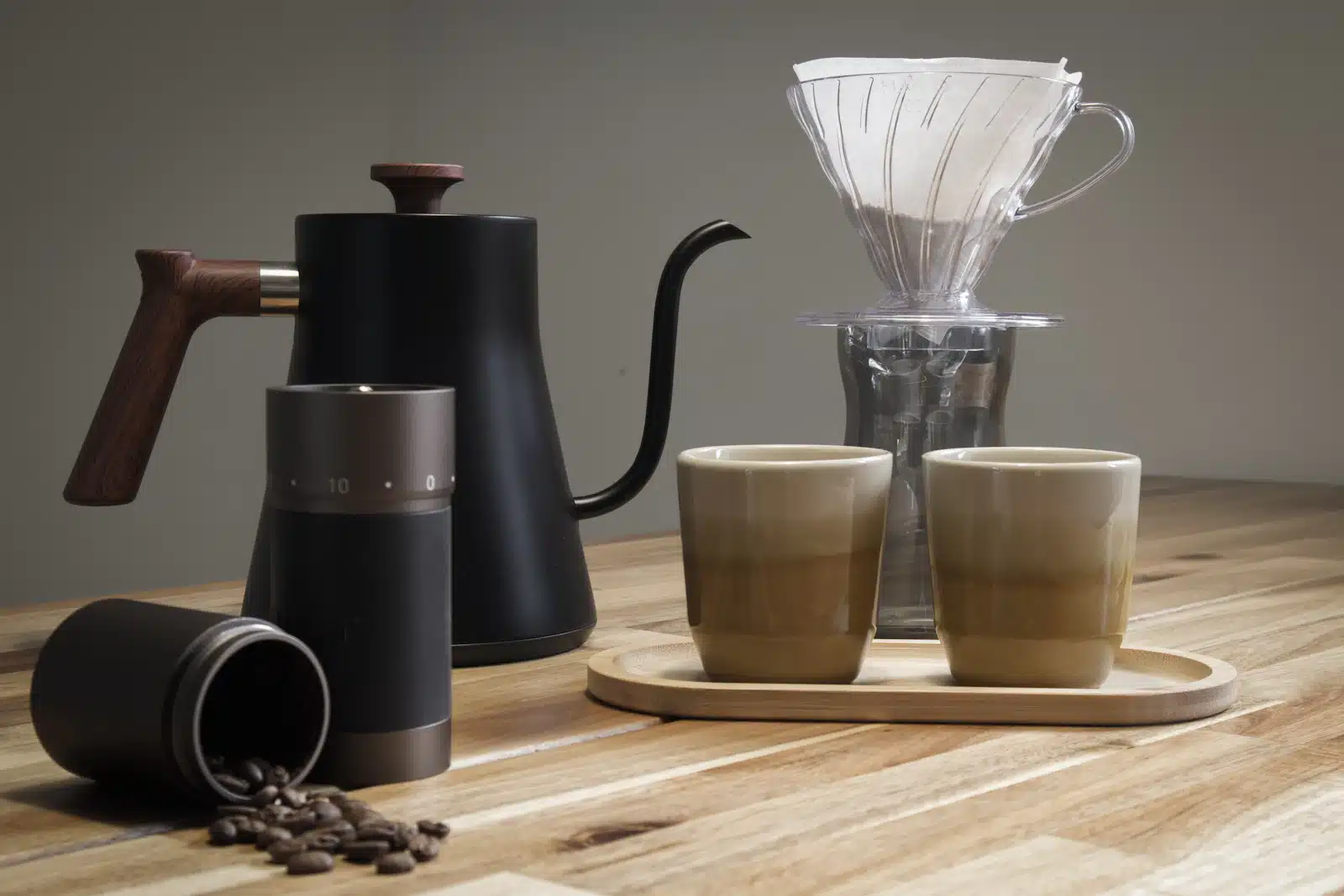
The best way to grind coffee at home is with a burr grinder, because it produces even particles. The NCA prefers it over a blade grinder. If you don’t have a grinder, the most practical option is to order your coffee pre-ground for your method and buy a little at a time.
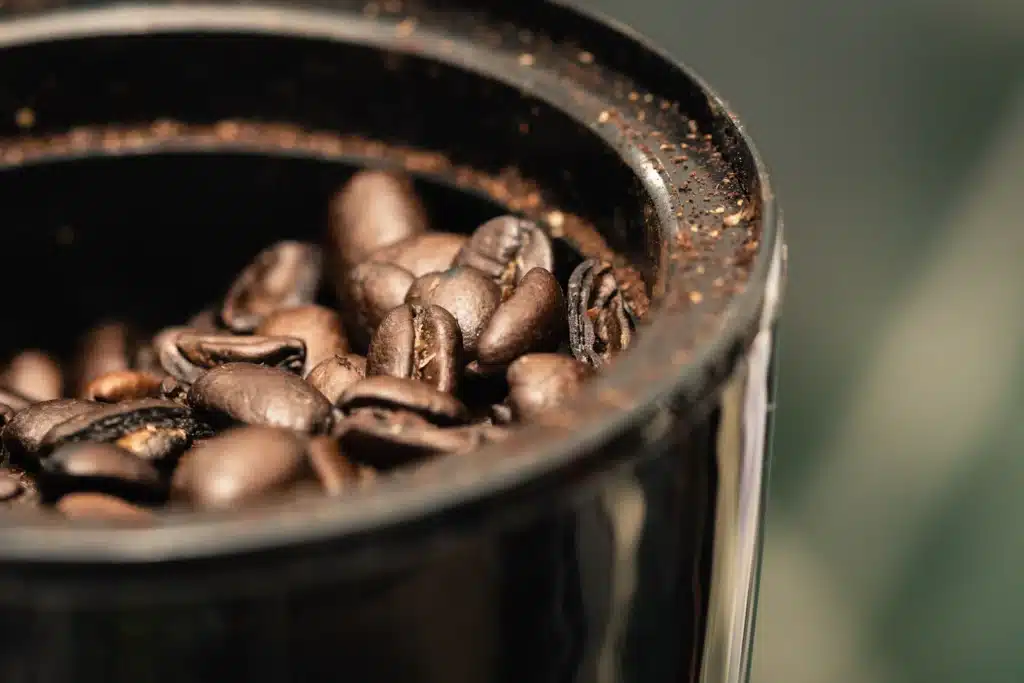
The NCA explains the difference between the two types of grinder:
- Burr grinder: it crushes the bean between one rotating burr and one fixed burr. It gives a more even grind, extracts flavor more uniformly, and heats the coffee less, so it protects the oils and aromas.
- Blade grinder: a spinning blade chops the bean, like a food processor. The coarseness depends on how long you let it run, and it’s hard to get an even grind. With practice, you’ll learn the timing that works for your coffee maker.
A few tips for grinding better:
- Grind right before brewing. Only the amount you’re going to use.
- Weigh the beans first. That way, your dose is exact and you don’t waste coffee.
- Adjust gradually. Change the grind setting one notch at a time and taste.
- Clean your grinder. Old leftover grounds go rancid and end up in your fresh cup.
And without a grinder? Besides buying it ground, you can use a kitchen mortar and pestle. Add a few beans, crush them with short strikes, and twist until you get the coarseness you want. The grind comes out uneven, so it works best for coarse-grind methods. Now, what grind size does your coffee maker need?
What grind size should you use for each method?
Grind size depends on how long the coffee is in contact with the water: the longer the contact, the coarser the grind. Espresso, which takes seconds, calls for a fine grind. The French press and cold brew, which take minutes or hours, call for a coarse grind. Get it wrong, and your coffee comes out bitter or watery.
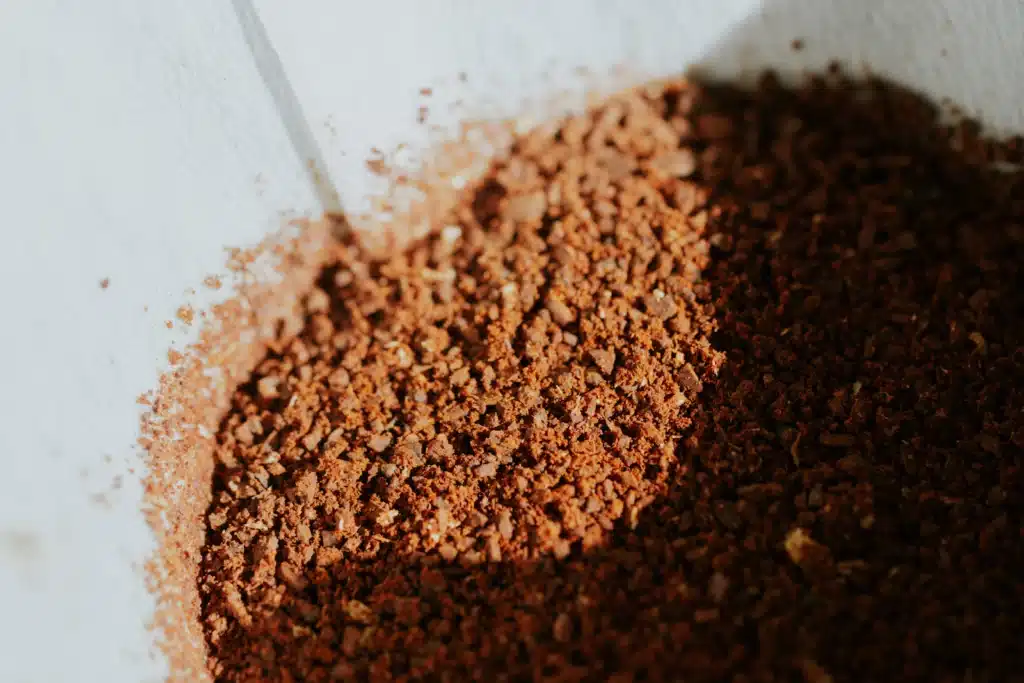
This table brings together the guidance from the NCA and from the maker of each coffee brewer:
| Method | Grind | Looks like | Source |
|---|---|---|---|
| Espresso | Fine | Table salt | NCA |
| AeroPress | Medium-fine | Between table salt and kosher salt | AeroPress |
| Moka pot | Moka grind, never fine | Coarser than espresso | Bialetti |
| V60 and other pour-over methods | Medium | Kosher salt | NCA |
| Drip coffee maker | Medium | Kosher salt | NCA |
| Chemex | Medium-coarse | Between kosher salt and coarse salt | Chemex |
| French press | Coarse | Coarse salt, “like rock salt” | NCA |
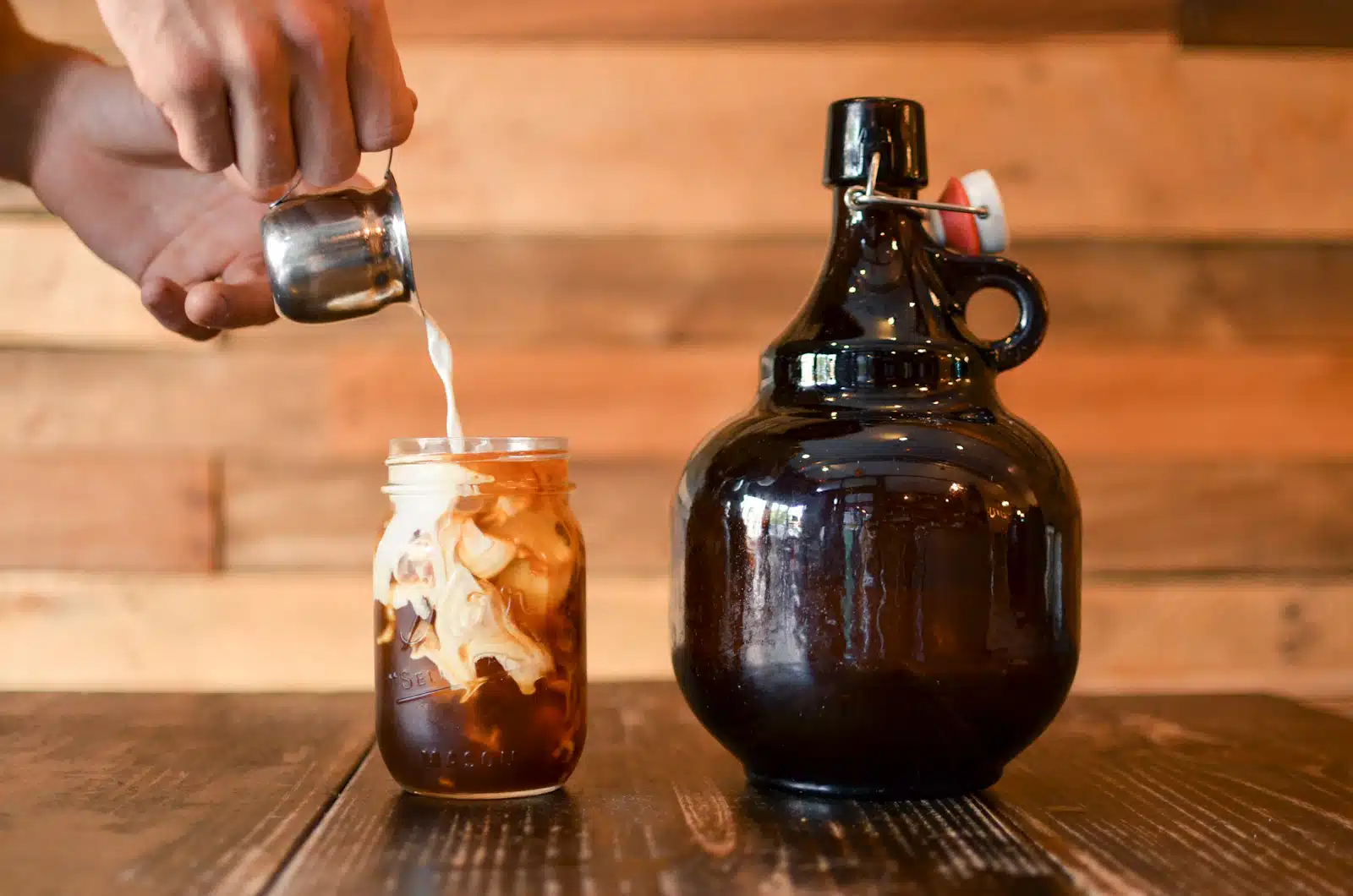
| Cold brew | Coarse | Coarse salt | NCA |
The in-between salt comparisons are approximate: the sources only give the name of the grind. To fine-tune by taste, the NCA offers an easy rule:
- Tastes bitter or sour? It may be too fine and over-extracted. Grind coarser.
- Tastes flat or watery? It may be too coarse and under-extracted. Grind finer.
If you use a French press, our guide on how to make French press coffee has the recipe with amounts by press size. If you use a moka pot, read how to use a moka pot so you don’t burn your coffee. Once your coffee is ground, there’s one step people often forget: storing it properly.
How to store coffee so it keeps its flavor?
Store your coffee in an airtight, opaque container in a cool, dark place, and only buy what you’ll drink in one or two weeks. Those are the NCA’s recommendations for protecting coffee from its four enemies: air, moisture, heat, and light. Do that, and your coffee will taste great down to the last cup.
Here are the NCA’s rules, kitchen-friendly version:
- Buy small and often. Coffee starts losing freshness almost as soon as it’s roasted. A small bag every two weeks beats a big one that goes stale.
- Transfer it to an airtight container. Retail packaging isn’t always designed for long-term storage, especially if the coffee is ground.
- Use an opaque container. Clear jars let light through and spoil the flavor. Save that pretty glass jar for decoration.
- Find a cool, dark spot. Away from the stove, the oven, and the window that gets the afternoon sun.
- Grind fresh. If you buy whole bean, grind only what you need for each brew.
What about freezing it? The NCA acknowledges that opinions are divided. Most home containers let some oxygen in, and coffee can get freezer burn. If you decide to freeze it, use a truly airtight container. Take out only one week’s worth at a time and put the rest back quickly, before water condenses on the beans.
With this care, the coffee you bought tastes like it did the day you opened the bag. And well-stored coffee doesn’t need sugar to shine.

Broo Café Team
The coffee team at Broo Café, specialty coffee roasters in Medellín.
Content reviewed by the Broo Café Team.
Frequently asked questions
Can you store coffee in the fridge?
You can, but it isn’t ideal for everyday use. Coffee absorbs moisture, odors, and flavors from whatever is nearby, and condensation forms in the fridge. According to the NCA, it may be more useful in very humid climates, always in a completely airtight container.
What coffee grinder should a beginner buy?
A manual burr grinder is a good place to start: it grinds evenly, it’s quiet, and it takes up little space in the kitchen. If you brew coffee for several people every day, an electric burr grinder saves you time and elbow grease. A blade grinder is the least precise option.
Can you grind coffee in a blender?
Yes, in a pinch. A blender works like a blade grinder: it chops the beans unevenly and, if you run it too long, heats them up. Use short pulses and a small amount of beans, and shake between pulses. It works better for a French press than for espresso.
Does coffee expire?
According to the NCA, roasted coffee almost never becomes unsafe, unless it picks up moisture and grows mold. What does happen is that it loses quality: the aroma fades, the color sometimes lightens, and the cup tastes flat or stale.
How much whole bean coffee do you need per month?
It depends on how much you drink. If you brew one 250 ml (about 8.5 oz) cup a day with 14 to 15 g, the SCA benchmark, that works out to about 420 to 450 g a month. Since it’s best to buy for one or two weeks at a time, go for small bags, bought often.
Summary
- Coffee beans are roasted seeds. Whole beans last 1 to 3 weeks at room temperature and ground coffee 1 to 2 weeks, according to the NCA.
- For the best flavor, buy whole bean and grind right before brewing, using a burr grinder and the grind size your method calls for.
- Store coffee in an airtight, opaque container, away from heat and light, and only buy enough for one or two weeks.
Got your beans and a coarse grind ready to go? Put it to work with our recipe for how to make French press coffee. And tell us in the comments whether you’re Team Whole Bean or Team Ground.
References
- National Coffee Association. Coffee storage and shelf life
- National Coffee Association. French press coffee (burr and blade grinders, grind and flavor)
- National Coffee Association. Pour-over coffee (grind guide by brewing method)
- National Coffee Association. Coffee processes (washed and natural coffee)
- AeroPress. How to use
- Chemex. Six cup classic: instructions for use
- Bialetti. Moka Express manual
- Specialty Coffee Association. SCA Standard 102-2024: Coffee Value Assessment, Sample Preparation and Tasting Mechanics