Roasted coffee is green coffee that has been heated until it transforms: it changes color, develops aroma and flavor, and is ready to grind and brew.
The National Coffee Association (NCA) explains that the inside of the bean is heated to more than 400 °F (about 204 °C) and then cooled quickly to stop the roast (NCA, Roasts).
A green coffee bean doesn’t smell like coffee. It smells more like grass or legumes. If you brewed it that way, the cup would look nothing like what you drink every morning. Everything you love about coffee, the aroma, the sweetness, the chocolate, the fruit, shows up during roasting.
In this guide, we explain what roasted coffee is, what happens to the bean inside the roaster, and how light, medium, and dark roasts differ. We also clear up the caffeine myth, tell you which roast level to choose for your coffee maker, and show you how to tell whether your coffee is still fresh.
What is roasted coffee?
Roasted coffee is the seed of the coffee plant after it has gone through controlled heat, which turns it brown, aromatic, and soluble in water. Before roasting, the bean is green, hard, and has almost no aroma. After roasting, it’s ready to be ground and turned into your cup.
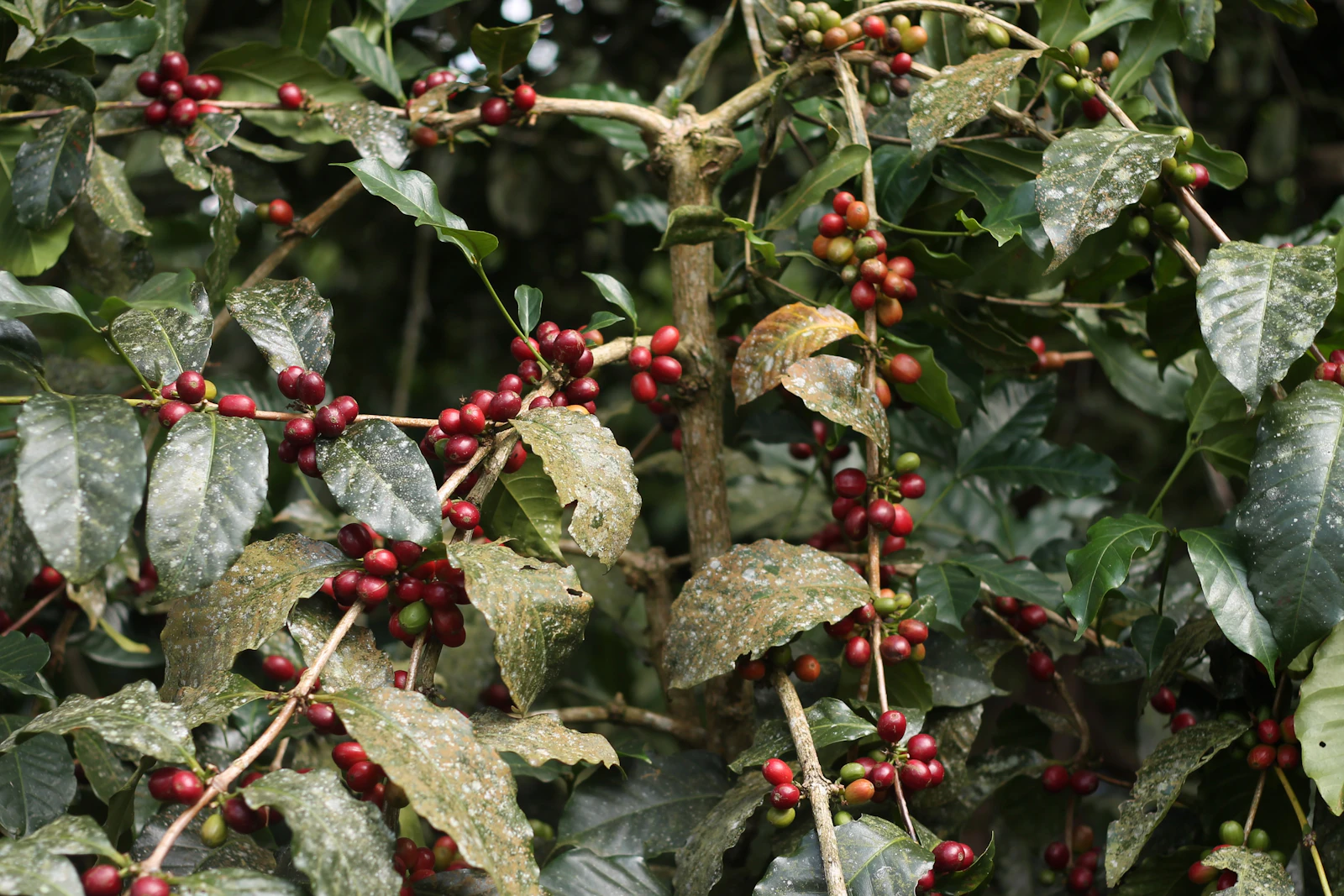
Coffee goes through several stages. On the farm, the cherry is harvested, processed, and dried. That produces green coffee, which travels to the roaster. That’s where the step that changes the bean’s flavor the most takes place.
That’s why we say roasting doesn’t “create” flavor from scratch; it reveals it. An excellent origin coffee, poorly roasted, loses what made it special. And a coffee with defects can’t be fixed with a good roast: at best, the defects get masked.
Roasting is also a matter of style. Some roasters aim to highlight the acidity and fruity notes of the origin. Others prefer a sweeter cup, with chocolate and caramel. Neither is wrong: each one interprets the bean in its own way.
If you want to review everything that happens earlier, on the farm, read coffee processing methods: washed, natural, and honey. Processing and roasting work together to give you what you taste in the cup.
A practical note: “roasted coffee” at the supermarket can mean whole bean or ground. What matters isn’t that label but the information that comes with it: origin, roast level, and date.
What happens to the bean during roasting?
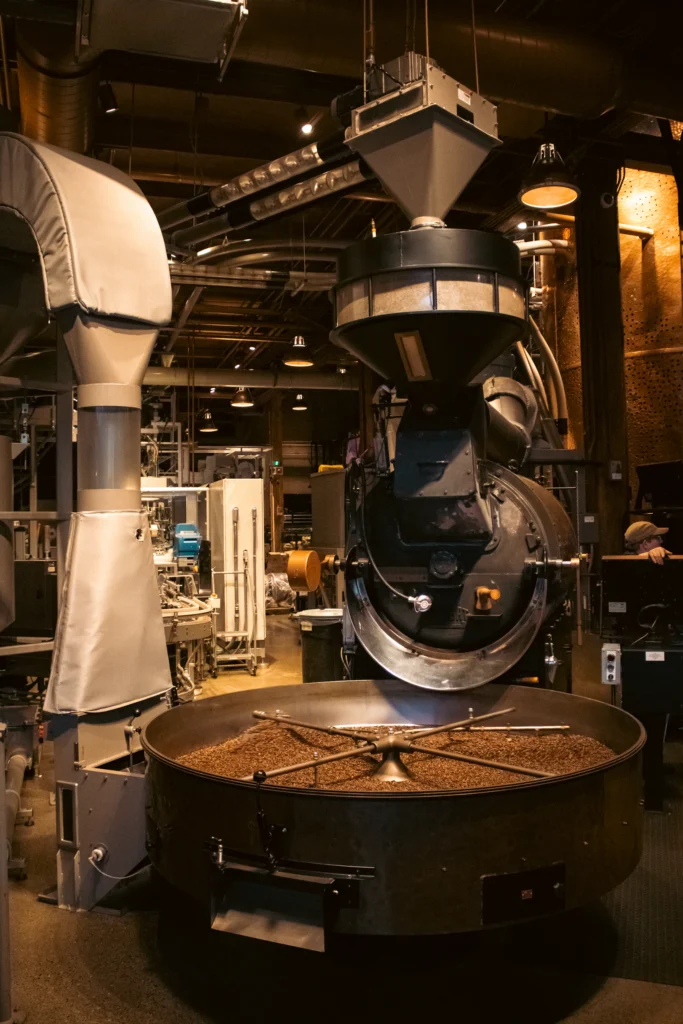
During roasting, the bean loses water, changes from green to yellow and then to brown, grows in size, and develops hundreds of aroma and flavor compounds. The roaster controls time and temperature to decide how far that change goes.
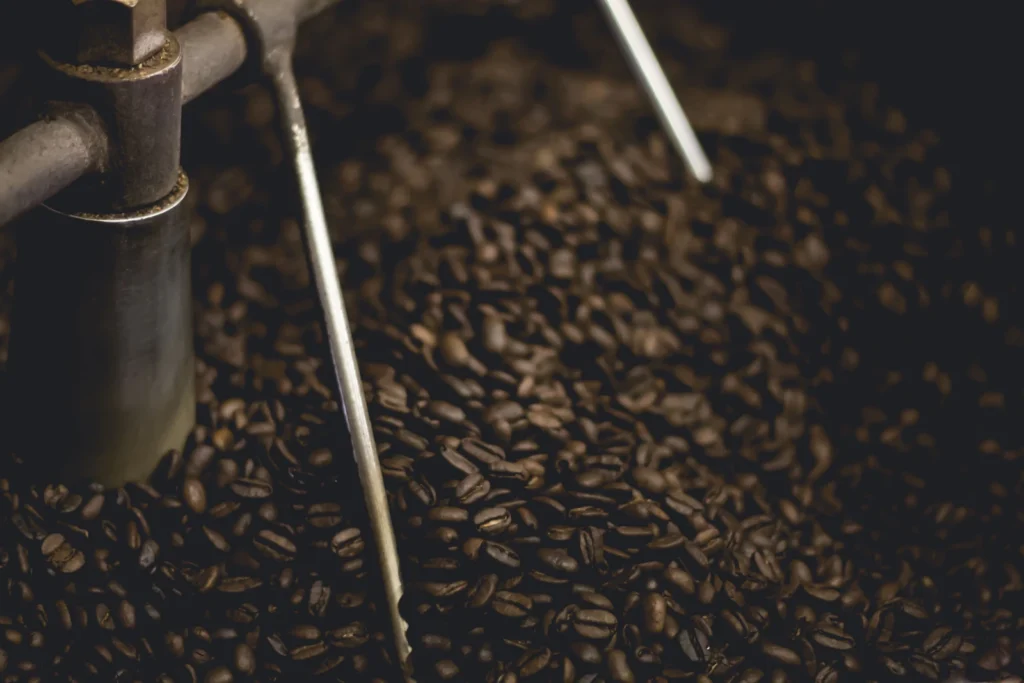
Without getting into lab chemistry, these are the stages worth knowing:
- Drying. The green bean loses moisture and starts to turn yellow. It smells like bread or hay.
- Browning. Sugars and proteins react with the heat. The bean turns light brown and toasty aromas appear.
- First crack. The bean sounds like popcorn popping. It’s the sign that the coffee is now drinkable.
- Development. The minutes after first crack define the final character: more acidity and fruit, or more sweetness and body.
- Cooling. The beans leave the drum and are cooled quickly to stop the roast at the desired point.
For reference, in cupping protocols a sample roast usually takes 8 to 12 minutes (Royal Coffee, cupping protocol). For the coffee you drink at home, each roaster adjusts the times to their machine and their beans.
The bean also changes in size and weight. It loses water, so it weighs less, but it puffs up and becomes more porous. That open structure is what lets hot water extract the flavors when you brew it.
That’s why two roasters can get different cups from the same green coffee. Each one decides what they want to highlight.
What’s the difference between light, medium, and dark roast?
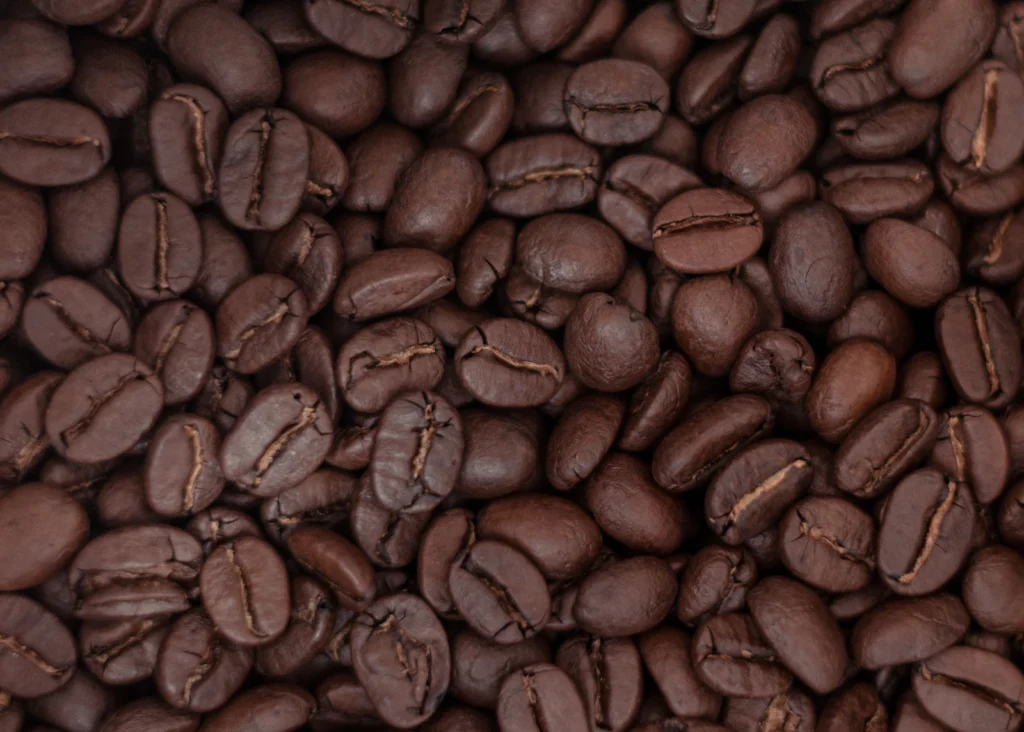
A light roast keeps more acidity and origin notes; a medium roast balances acidity, sweetness, and body; a dark roast brings out bitterness and roasty flavors, with less acidity. The color of the bean is the most visible clue, but what matters is what happens in the cup.
Here’s how the NCA describes them:
| Roast | What the bean looks like | In the cup |
|---|---|---|
| Light | Light brown, matte surface, no oil | Mild roasted flavor, more acidity |
| Medium | Medium brown, no oil on the surface | Stronger, more balanced flavor |
| Dark | Almost black, shiny and oily | Pronounced bitterness, less acidity |
Dark roasts include well-known styles like “Italian” and “French” roast. A lot of commercial coffee is roasted this way because the bitterness hides differences between lots. In specialty coffee, on the other hand, the goal is a roast that lets the origin show through.
Does that mean dark roast is bad? No. It’s a style choice. The problem comes when it’s used to hide a low-quality bean. If you want to see how roast level fits with other ways of classifying coffee, check out types of coffee.
Does dark roast have more caffeine?
No. According to the NCA, light roasts have slightly more caffeine, and the strong flavor of a dark roast has nothing to do with its caffeine level. It’s one of the most repeated coffee myths: “darker means stronger.” In flavor, maybe. In caffeine, no.
Where does the myth come from? From confusing flavor intensity with stimulation. The bitterness of a dark roast feels “strong” in your mouth. But caffeine doesn’t increase with the color of the bean.
What does change the caffeine in your cup:
- How much coffee you use. More grams per cup, more caffeine.
- The size of the cup. A small cup of tinto (Colombian black coffee) isn’t a large mug.
- The brewing method and contact time between the coffee and the water.
- The species: robusta has more caffeine than arabica.
If you want to cut back on caffeine without giving up coffee, roast level isn’t the tool. Instead, reduce the dose or the cup size, or try decaf. We explain it in decaf coffee.
Which roast level should you choose for your brewing method?
For filter methods, light and medium roasts work very well; for a stovetop percolator, French press, and espresso with milk, medium and medium-dark roasts tend to give rounder cups. It’s not a fixed rule, but it’s a good starting point for choosing without getting it wrong.
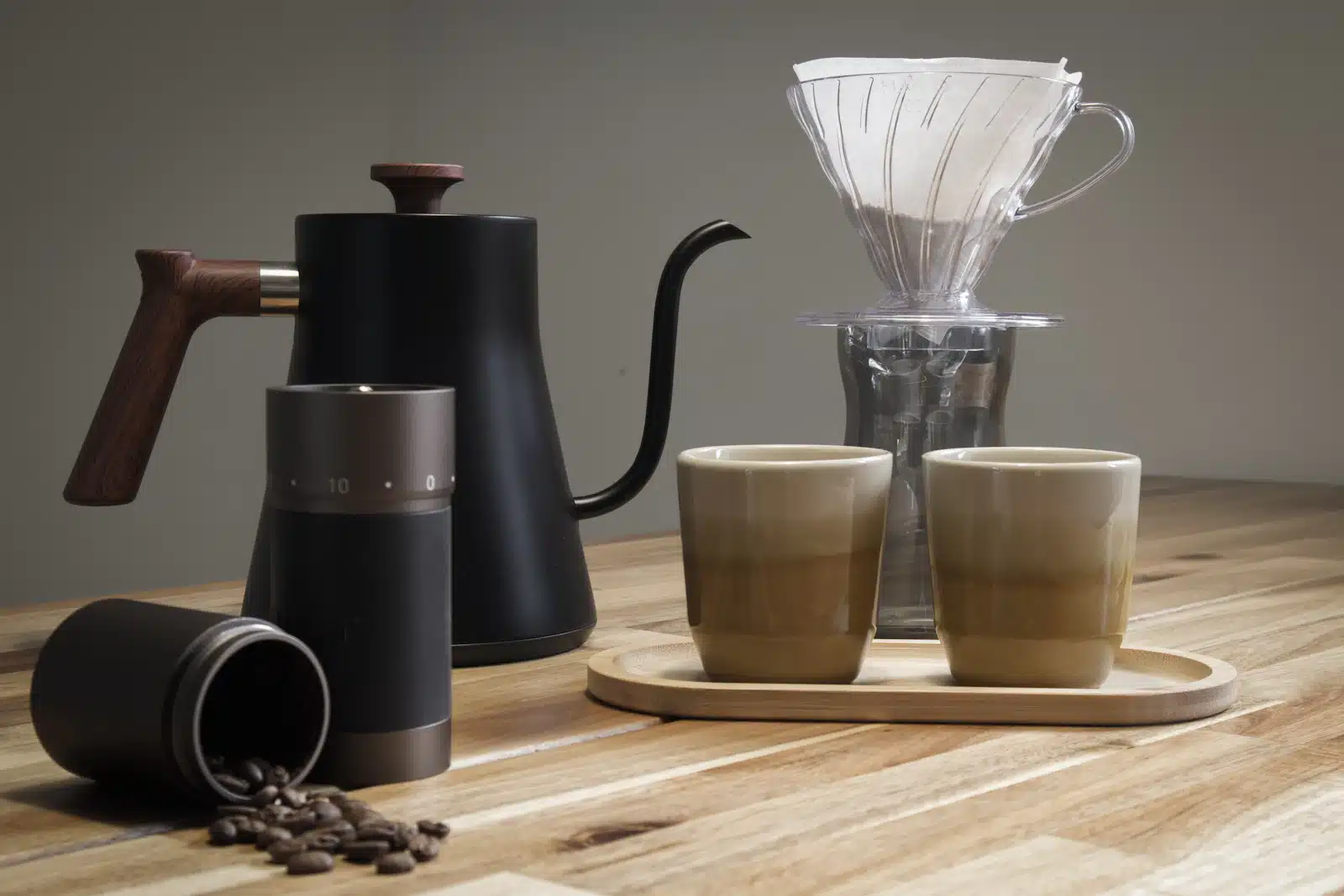
- V60, Chemex, or drip: light or medium. The paper filter gives a clean cup that shows off the acidity and origin notes.
- French press: medium. The method adds body, and a medium roast brings sweetness without bitterness.
- Stovetop percolator (greca) or moka pot: medium or medium-dark. It holds up well to the method’s direct heat.
- Espresso with milk: medium or medium-dark, so the coffee doesn’t get lost in the milk.
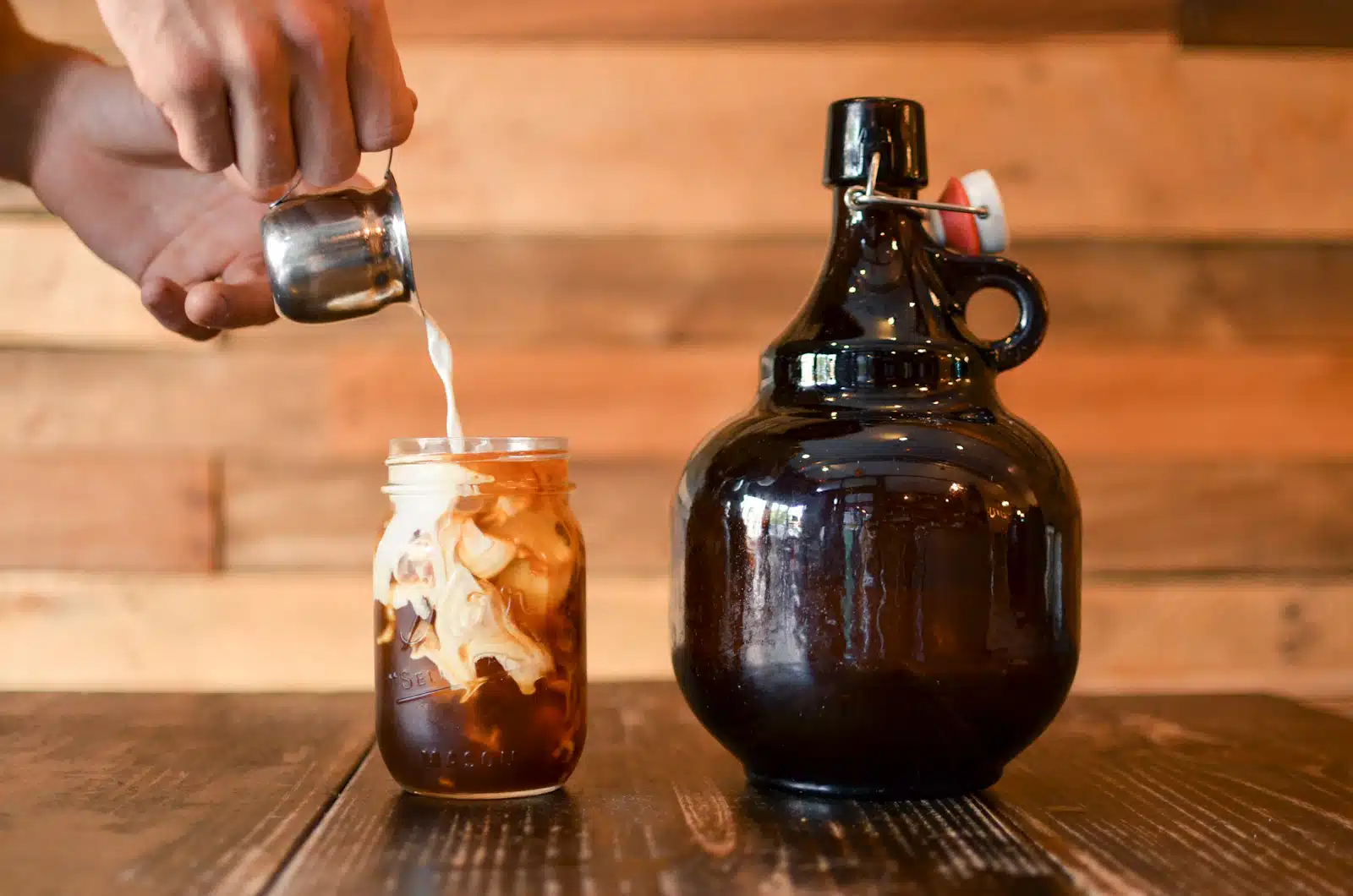
- Cold brew: medium. Cold water easily draws out sweetness and chocolate.
If you still don’t know which method is yours, compare them in coffee brewing methods.
What if you want one coffee for everything? Look for a medium roast from a good origin. In our specialty coffee shop, you’ll find coffees from Antioquia that work across several methods. Our Sonsón washed coffee is a safe bet for filter and stovetop brewing. The Caicedo natural shines in a French press and as cold brew thanks to its sweetness.
How can you tell if roasted coffee is fresh?
Check the roast date, smell the beans, and pay attention to how they react to hot water. Fresh coffee smells intense the moment you open the bag and foams when it gets wet. The NCA points out that coffee starts losing freshness almost immediately after roasting.
According to the NCA, once opened and stored in an airtight container, whole bean coffee lasts 1 to 3 weeks at room temperature. Ground coffee, 1 to 2 weeks (NCA, Storage and shelf life). That’s why it recommends buying what you’ll use in one or two weeks.
Signs of fresh coffee:
- A visible, recent roast date. An expiration date alone doesn’t tell you when it was roasted.
- Strong aroma when you open the bag and when you grind.
- Foam when you wet it in a V60 or French press: that’s the gas coffee releases in its first weeks.
- A bag with a valve, which lets gas out without letting air in.
And to make it last, store it in an opaque, airtight container, away from heat and light. Grind only what you’re going to brew. For more on how to store it, read whole bean vs. ground coffee.
If you don’t drink much coffee, choose small bags. Our 250 g Andes washed coffee gets finished before it’s past its best.
Coffees from this guide



Broo Café Team
The coffee team at Broo Café, specialty coffee roasters in Medellín.
Content reviewed by the Broo Café Team.
Frequently asked questions
What is the best coffee roast level?
There’s no single best one for everyone. Light highlights acidity and origin, medium balances sweetness and body, and dark brings bitterness and roasty notes. Choose based on your taste and your method; if in doubt, start with a medium roast.
What is first crack in coffee roasting?
It’s the moment the bean sounds like popcorn popping, caused by the pressure of steam and gases inside. It marks the point where the coffee becomes drinkable. What happens in the following minutes determines whether it ends up light, medium, or dark.
Is dark roast coffee more bitter?
Yes, generally. The NCA describes dark roast as having pronounced bitterness and less acidity. That intense flavor doesn’t mean more caffeine. If the bitterness bothers you, try a medium roast or make sure your water isn’t boiling.
Can you roast coffee at home?
Yes, in a skillet, in the oven, or with a small home roaster, although an even roast is hard to achieve. You need good ventilation, because it gives off smoke and chaff. To start, it’s easier to buy freshly roasted coffee and focus on brewing it well.
How long after roasting should you drink coffee?
Many baristas let coffee rest for a few days before brewing so it can release gas. After that, according to the NCA, an opened bag of whole beans lasts 1 to 3 weeks at room temperature. Buy amounts you can finish in that time.
Summary
- Roasted coffee is green coffee heated to more than 400 °F (about 204 °C) and then cooled quickly, according to the NCA.
- A light roast gives more acidity and origin character; medium, balance; dark, bitterness. Light roast has slightly more caffeine.
- Look for the roast date and buy what you’ll use in one or two weeks; opened whole beans last 1 to 3 weeks.
Know which roast you like? Put your palate to the test with our guide to coffee cupping at home, and tell us in the comments whether you’re a light, medium, or dark roast person.