Decaf coffee is coffee that has had most of its caffeine removed before roasting, while the bean is still green.
According to the National Coffee Association (NCA), the process removes about 97% of the caffeine, and a 240 ml (8 oz) cup of decaf retains between 2 and 15 mg, compared with about 95 mg in regular coffee (NCA, Decaf coffee).
You love coffee, but by 4 p.m. you know one more cup will keep you up at night. Or your doctor asked you to cut back on caffeine. Or you simply want to enjoy the flavor without the jolt. That’s what decaf is for, and its reputation is much worse than it deserves.
In this guide, we explain what decaf coffee is, how the caffeine is removed, how much is left, and whether it really tastes different. You’ll also see who should drink it and how to choose a good one. Spoiler: it isn’t caffeine-free, but it comes pretty close.
What is decaf coffee?
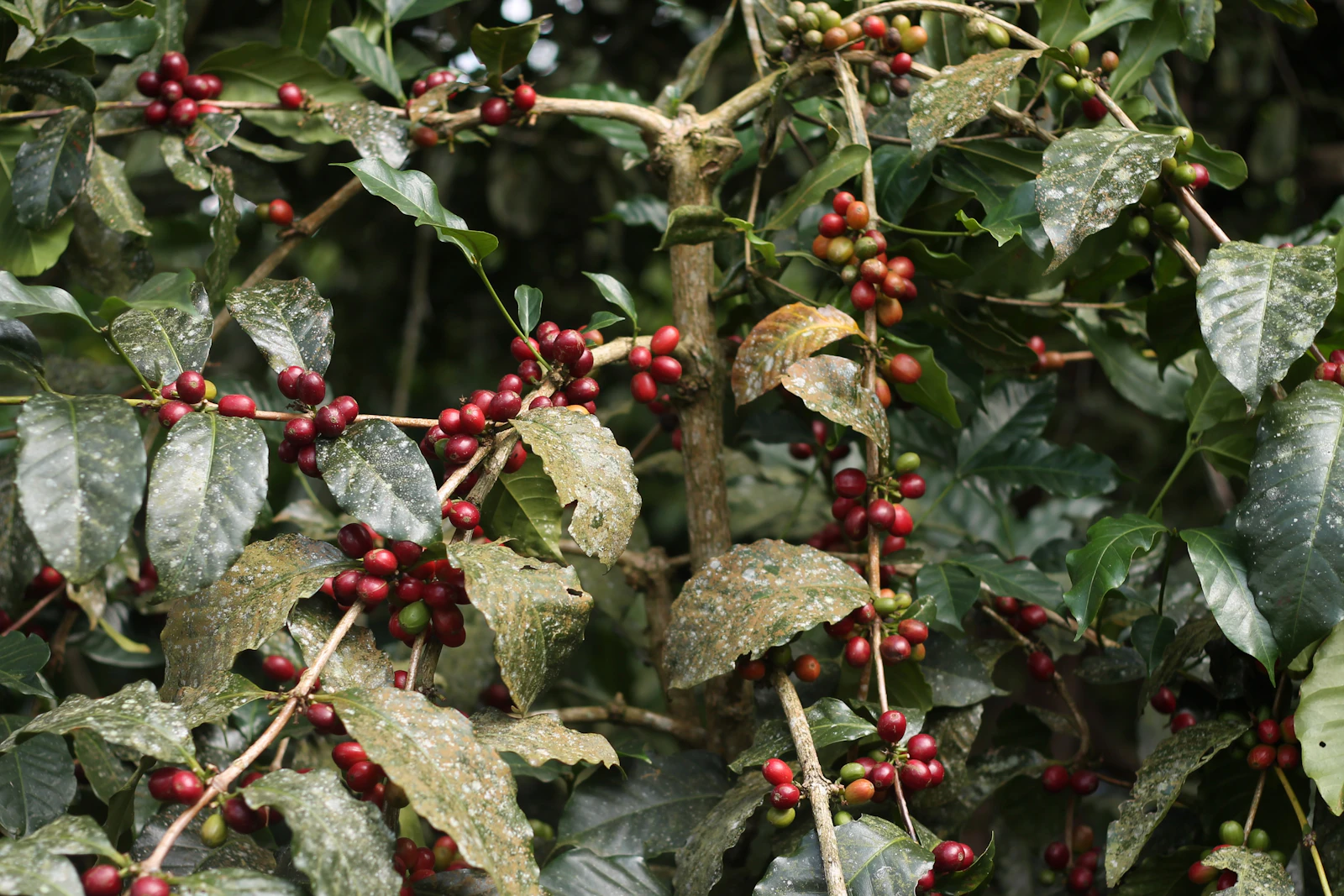
Decaf coffee is regular coffee that had almost all of its caffeine extracted while the bean was green, before roasting. Then it’s roasted, ground, and brewed just like any other coffee. It comes from the same plant and passes through the same farm: the difference is one extra step.
That step happens at specialized plants, not on the farm. The green coffee arrives, the caffeine is removed, and the beans are dried again. Then the roaster receives them and works with them like any other lot.
Three points to clear up some myths:
- It isn’t “second-rate” coffee. Very high-quality coffee can be decaffeinated. The result depends on the starting bean and the care taken in the process.
- It isn’t caffeine-free coffee. A little remains, as you’ll see below.
- It isn’t a different kind of plant. It’s arabica or robusta, just like regular coffee. If you want a refresher on the species, see types of coffee.
Decaf has a loyal following: people who love the ritual of a cup but don’t want caffeine at certain times of day. And that following is growing, because more and more people want to enjoy coffee without it affecting their rest.
How is decaf coffee made?
All methods follow the same idea: moisten or heat the green bean to open it up, then flush out the caffeine with a liquid. What changes is that liquid. The NCA explains that there are four main methods and that all of them are equally safe and meet U.S. FDA standards.
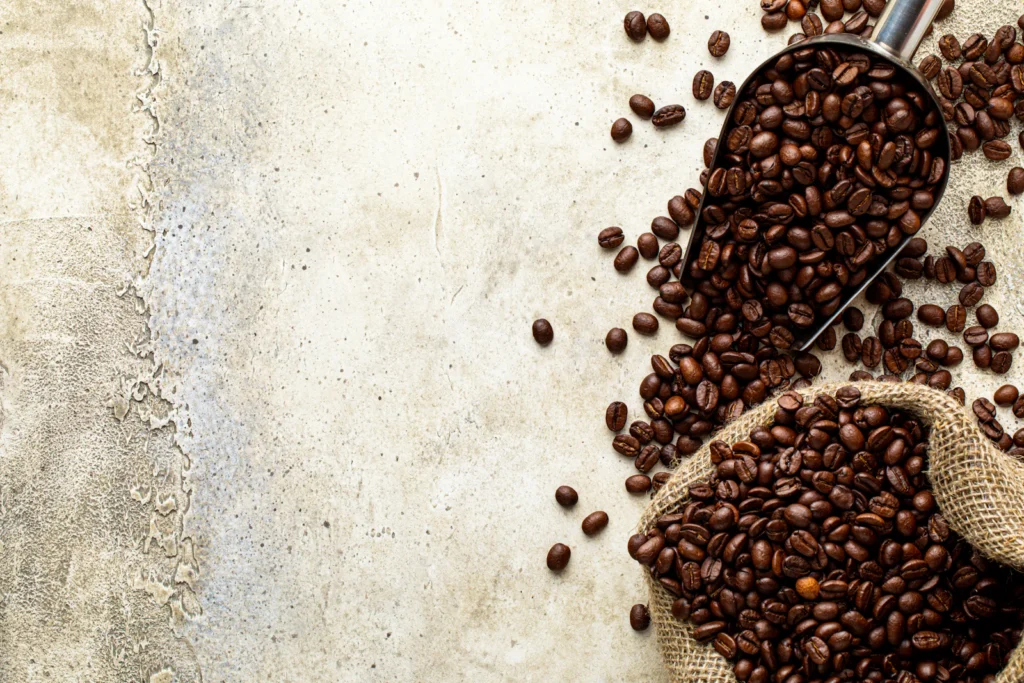
These are the best-known methods:
- Solvent-based (“European method”). The beans are steamed and then rinsed with a solvent that binds to the caffeine and carries it away. According to the NCA, almost all of the solution is recovered and reused in a closed system. Then the beans are dried and roasted as usual.
- Sugarcane ethyl acetate. A variant using a solvent that can be obtained from fermented sugarcane. In Colombia, a plant in the Andean region uses ethyl acetate from sugarcane grown in Palmira and removes at least 97% of the caffeine, according to one of its importers (InterAmerican Coffee).
- Water-based (Swiss Water Process). This method uses only water, temperature, and time, with a green coffee extract that draws out the caffeine by diffusion.
- CO₂. Uses pressurized carbon dioxide to extract the caffeine.
One thing to watch for: many “100% natural” claims or exact figures on packaging come from the brands themselves. The most useful independent reference is still the NCA’s: about 97% less caffeine.
In the end, decaf is roasted like any other coffee. And there, the roast is once again key to flavor, as we explain in coffee roast levels: how to choose your roast.
How much caffeine is in decaf coffee?
A 240 ml (8 oz) cup of decaf coffee generally has between 2 and 15 mg of caffeine. Both the FDA and the NCA say so. A regular coffee of the same size has around 95 mg, according to the NCA. In other words, decaf has very little caffeine, but not zero.
| Drink (240 ml / 8 oz) | Approximate caffeine | Source |
|---|---|---|
| Regular coffee | ~95 mg | NCA |
| Decaf coffee | 2–15 mg | FDA and NCA |
Why such a wide range between 2 and 15? It depends on the bean, the decaffeination method, and how you brew the cup. More coffee per cup or a longer extraction can push the number up a bit.
As a general reference, the FDA cites 400 mg of caffeine a day as an amount not generally associated with negative effects in most adults (FDA). With decaf, you’re nowhere near that figure, even if you drink several cups.
But if your doctor told you to avoid caffeine completely, keep that small residue in mind. Ask whether decaf fits into your plan. If you want the full picture on caffeine and health, read how much coffee per day is healthy.
Does decaf coffee taste different?
It can taste a little different, because the process also strips out some of the bean’s compounds along with the caffeine. But a good decaf, made from good coffee and roasted well, can be very pleasant. Much of the “tastes like cardboard” reputation comes from stale beans or very dark roasts.
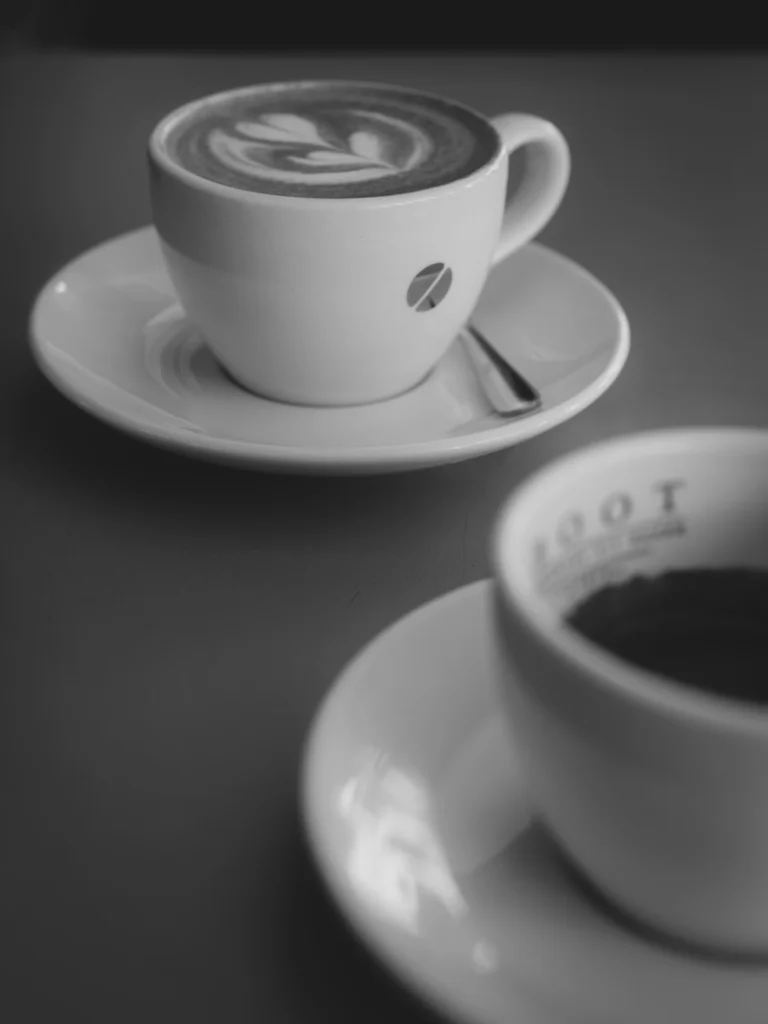
Caffeine adds some bitterness to the cup. When it’s removed, the coffee can feel a little smoother. Some people love that change. Others feel it lacks character.
What ruins a decaf most isn’t the process. It’s the same things that ruin any coffee:
- Poor-quality beans from the start. If the coffee was bad, decaffeinating it won’t make it better.
- A roast that’s too dark to cover up defects.
- Stale coffee that spent months on the shelf.
- Poor brewing: boiling water, eyeballed doses, or the wrong grind.
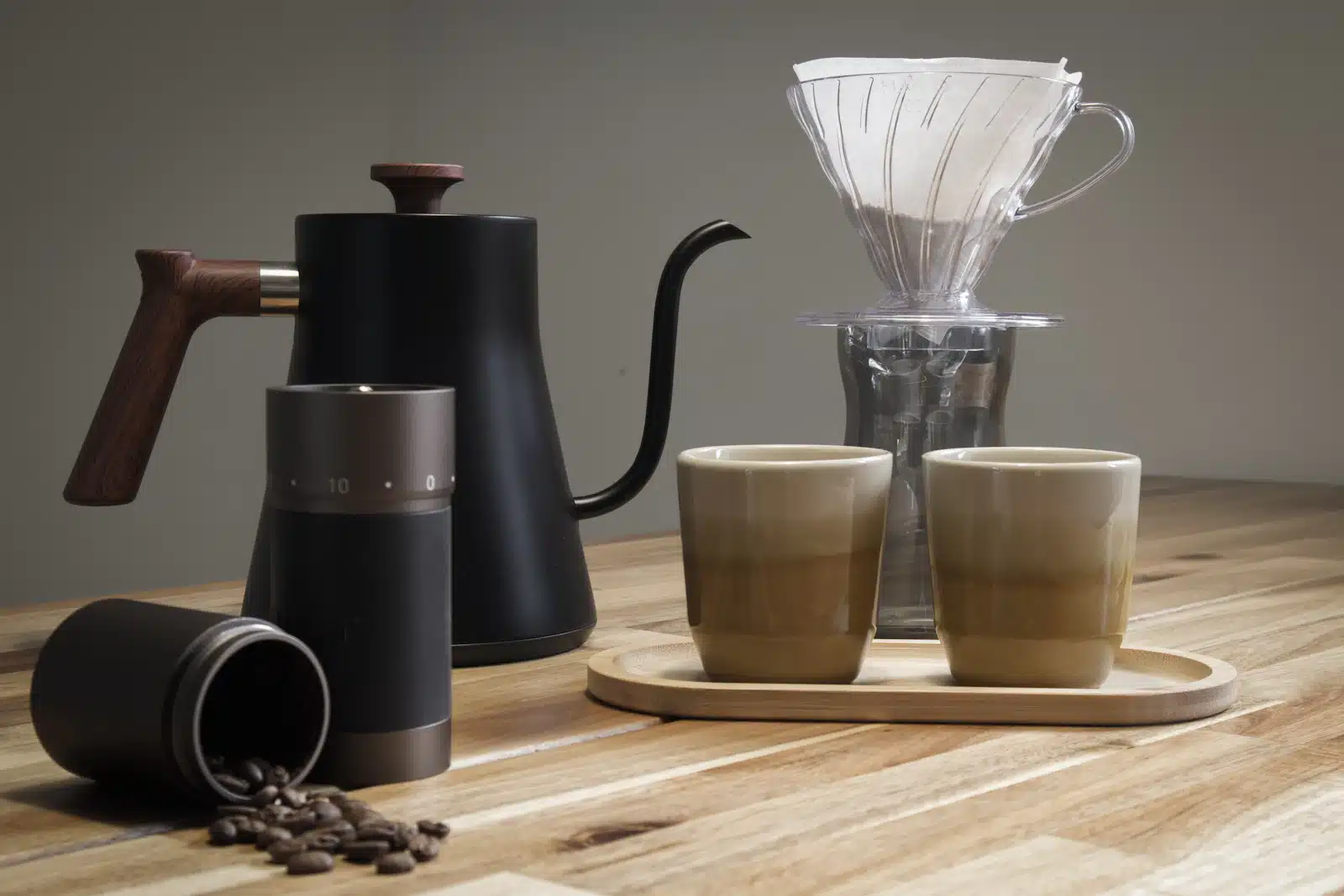
Choosing the right brewing method also helps. A medium-roast decaf shines in a pour-over, where the cup comes out clean. If you prefer it with milk, a stovetop percolator (greca) or espresso gives it the body milk needs.
Try this: brew a specialty decaf with the same care as your usual coffee. Weigh the dose, watch the water temperature, and drink it fresh. Chances are it’ll surprise you.
Who should drink decaf coffee?
Decaf is a good option for people who want the flavor and ritual of coffee but need or prefer to limit caffeine. It isn’t only for people with medical advice to cut back. It’s also useful if you want a cup after 4 p.m. without ruining your night.
These are the most common cases:
- If you have trouble sleeping. Caffeine can stay active for several hours. An afternoon decaf lets you enjoy a cup without paying for it with insomnia.
- If you’re sensitive to caffeine and feel anxiety, palpitations, or jitters after a little coffee.
- If you’re pregnant or breastfeeding, or have high blood pressure or arrhythmias. In these cases, ask your doctor how much caffeine is right for you.
- If you take medications that interact with caffeine.
- If you simply drink a lot of cups and want to replace a few.
A fun fact: in a large study published in 2026 using UK Biobank data, people who drank decaf showed liver health outcomes similar to those who drank regular coffee (summary on Earth.com). It’s an observational study, so it doesn’t prove cause and effect. But it suggests that not all of coffee’s benefits depend on caffeine.
How do you choose and brew a good decaf?
Choose a decaf with a clear origin, a recent roast date, and the decaffeination method stated on the label. Brew it with the same recipe as your regular coffee. It doesn’t need special tricks; it needs the same care.
What to look for on the bag:
- Origin: country and region, just like any specialty coffee.
- Decaffeination method: water, sugarcane ethyl acetate, CO₂, or solvent. If it doesn’t say, ask.
- Roast date: the more recent, the better.
- Format: whole bean if you have a grinder; ground if you don’t.
We don’t carry decaf in our shop right now. We’d rather tell you straight. If what you want is to cut back on caffeine without giving up good coffee, another strategy works really well: drink fewer cups, but better ones. A coffee with its own character, like our Sonsón washed coffee or our Caicedo natural coffee, is meant to be savored slowly and doesn’t leave you reaching for another cup out of habit.
Another idea: make smaller cups. Instead of a big mug of tinto (Colombian black coffee), a well-made 120 ml (4 oz) coffee gives you the flavor with half the caffeine. And if you want to explore more options, browse our specialty coffee selection.
Coffees from this guide


Broo Café Team
The coffee team at Broo Café, specialty coffee roasters in Medellín.
Content reviewed by the Broo Café Team.
Frequently asked questions
Does decaf coffee have caffeine?
Yes, a little. According to the FDA, a 240 ml (8 oz) cup usually has between 2 and 15 mg of caffeine. That’s far less than the roughly 95 mg in regular coffee, but it isn’t zero. Keep that in mind if you need to avoid caffeine completely.
Does decaf contain chemicals?
Some methods use solvents, but the NCA explains that the four main methods are equally safe and meet FDA standards. If you’d rather avoid solvents, look for decaf made with the water process or with carbon dioxide.
Can I drink decaf at night?
For most people, yes. Its caffeine content is very low and rarely affects sleep. If you’re very sensitive, first try a small cup early in the evening and see how you sleep before making it a habit.
Does decaf coffee raise blood pressure?
Since it has so little caffeine, its effect on blood pressure should be much smaller than that of regular coffee. Even so, if you have high blood pressure, the right move is to let your doctor tell you which drinks and amounts are right for you.
Can you make espresso with decaf?
Of course. Decaf is ground and brewed just like any coffee: espresso, drip, French press, or stovetop percolator. Adjust the grind as you would with any other bean, and try it with milk if you like it smoother and creamier.
Summary
- Decaf is coffee that has had about 97% of its caffeine removed while the bean is green.
- A 240 ml (8 oz) cup retains between 2 and 15 mg of caffeine, compared with about 95 mg in regular coffee.
- It can taste great if it starts with good beans, gets a careful roast, and is brewed with the same care.
Want to know how much caffeine is reasonable for you? Read our guide to how much coffee per day is healthy, and tell us in the comments what time you drink your last coffee.