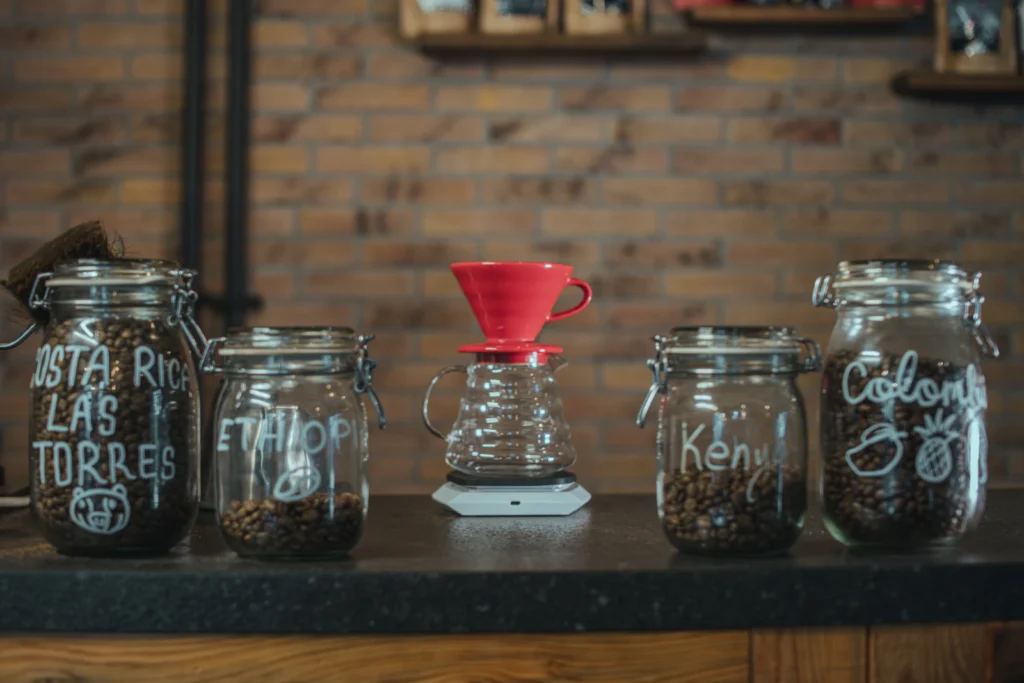
There are four big coffee trends in 2026: specialty coffee now outpaces traditional coffee, cold coffee is a year-round drink, more people brew at home, and coffee drinkers want to know where their coffee comes from.
In the United States, 47% of adults drank specialty coffee the previous day, compared with 42% who drank traditional coffee, according to the National Coffee Association’s 2026 report (Daily Coffee News).
The morning tinto (Colombia’s everyday cup of black coffee) isn’t going anywhere. But all around it, the way we drink coffee is changing fast, in Colombia and around the world. Specialty coffee shops in neighborhoods that never had one, iced coffee in the middle of December, people comparing origins the way they’d compare wines.
In this guide, we walk through the coffee trends that defined 2026, with data from the National Coffee Association, the Colombian Coffee Growers Federation (FNC), and consumer studies in Colombia. We also share what we see coming in 2027 and how to bring each trend to your cup, without strange fads or unnecessary spending.
What are the coffee trends in 2026?
The big coffee trends in 2026 are the rise of specialty coffee, cold coffee all year long, brewing at home, and a growing interest in origin. All four show up again and again in consumer studies from the United States and Colombia, and they reinforce one another.
In short, here’s what the data shows:
- Specialty: in the United States, it’s now more common than traditional coffee in daily consumption.
- Cold coffee: it grows year after year and is no longer a seasonal drink.
- At home: most people brew at least one coffee in their own kitchen every day.
- Origin and flavor: in Colombia, flavor is taking over from price as the main reason to buy.
The Cafés de Colombia Expo 2026 trade fair, held October 15–18 at Corferias, brought together about 180 exhibitors. It put domestic consumption of specialty coffee front and center, with national championships for filter coffee and for roasters (Portafolio).
Trends don’t appear in a vacuum. Coffee prices, which swung a lot this year, and the weather also play a part. We explain it in coffee prices in 2026.
Has specialty coffee overtaken traditional coffee?
In the United States, yes: 47% of adults drank specialty coffee the previous day, compared with 42% who drank traditional coffee. The figure comes from the National Coffee Association’s 2026 report, based on a survey of 1,850 adults conducted in January 2026.
The same report shows other important shifts:
- In the past week, 58% drank specialty coffee, 10 points more than in 2021.
- Espresso-based drinks reached 29% of daily consumption, the highest level in the series.
- People aged 25 to 39 drink the most specialty coffee: 69% had some in the past week.
- Among 18- to 24-year-olds, specialty is winning too: 50% versus 40% for traditional coffee.
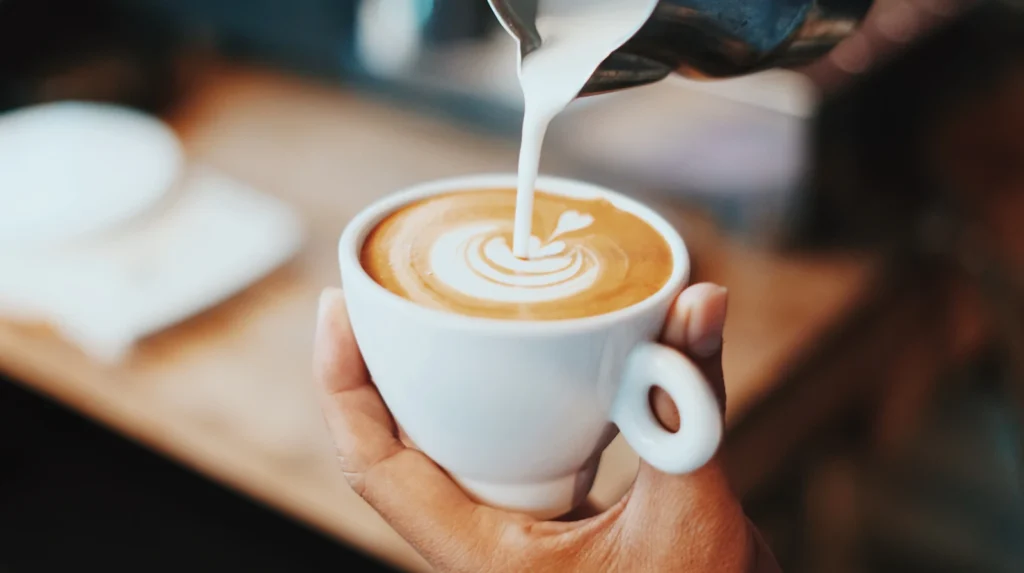
Among espresso-based drinks, the latte is the most popular, at 21% in the past week. It’s followed by straight espresso, at 20%, and the cappuccino, at 17%.
What exactly is specialty coffee, and how can you recognize it? We explain it in what is specialty coffee, including the SCA score and what the label should say.
Why is cold coffee now a year-round drink?
Because it stopped being a summer drink and became just another way to drink coffee, in any climate and any season. According to the NCA, 60% of specialty coffee drinkers had a cold drink in the past week, 6 points more than in 2025.
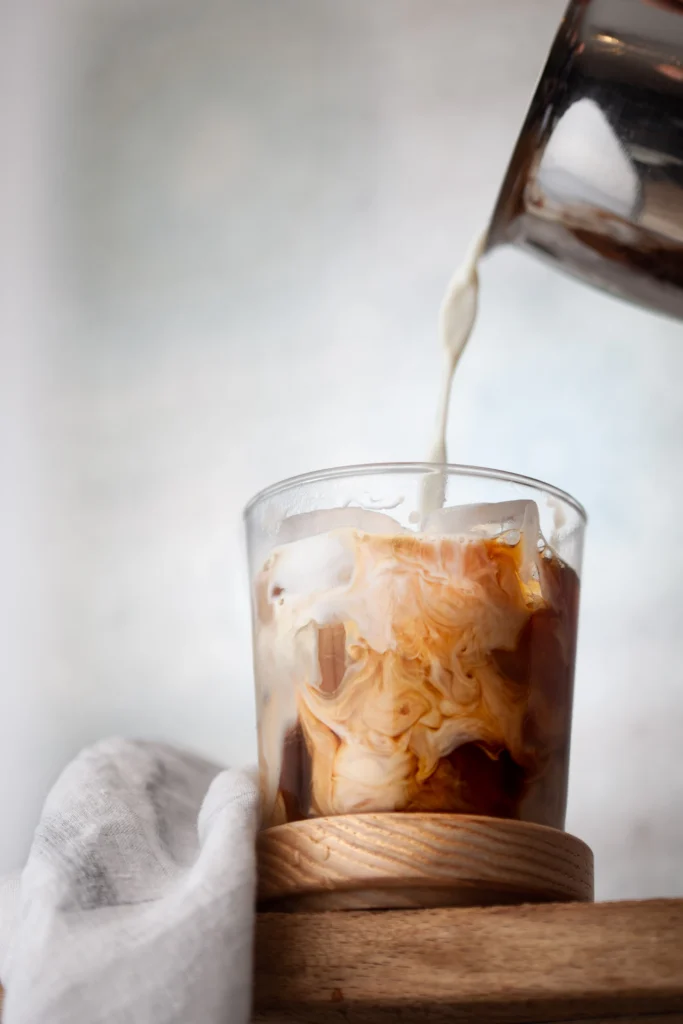
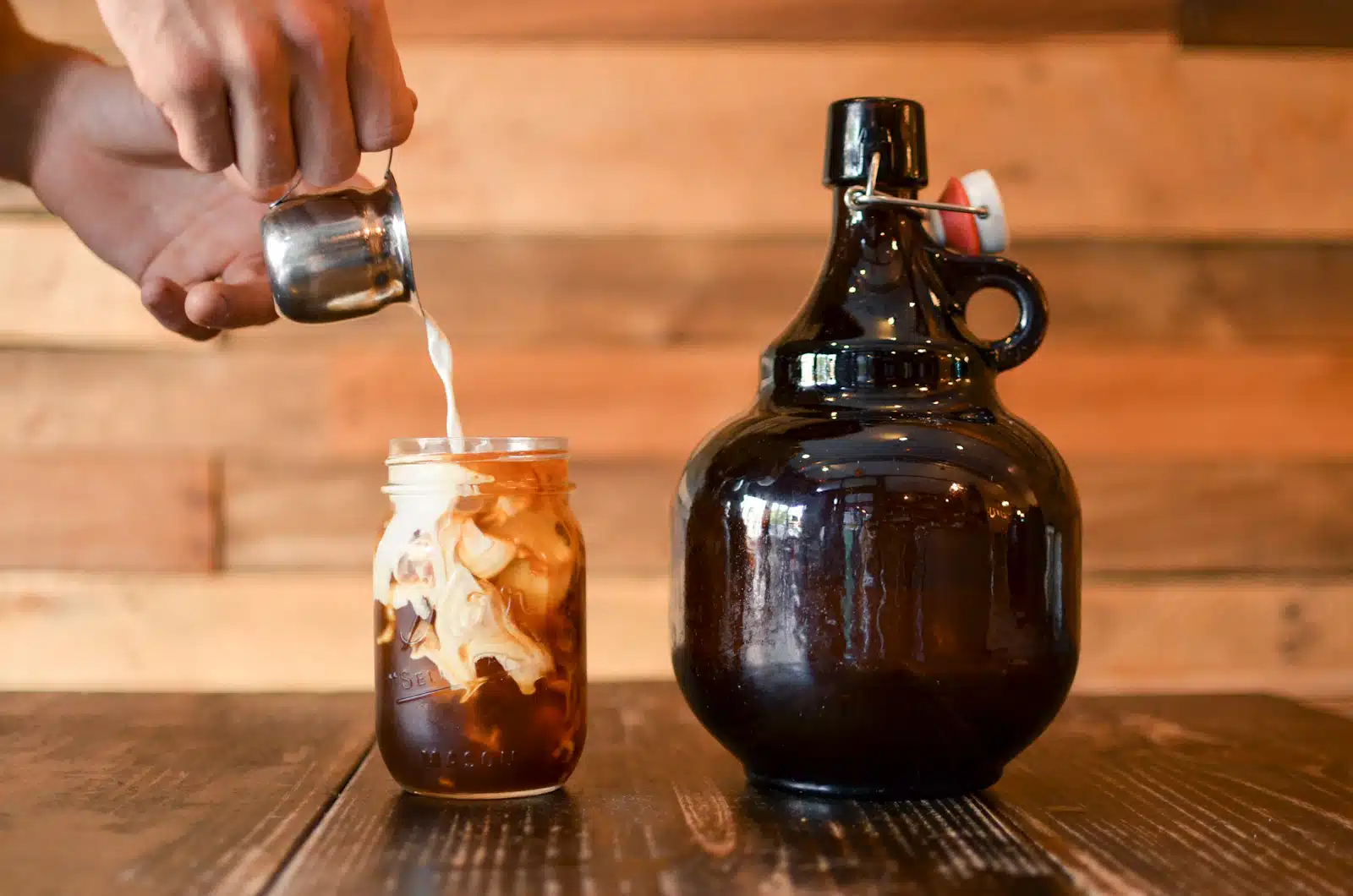
Cold espresso drinks are growing too: 38% of specialty drinkers had one in the past week. Iced lattes are the most popular, at 17%, followed by iced mochas, at 11%. In daily consumption, cold brew reaches 8% and frozen blended drinks 7%.
In Colombia, this makes perfect sense. Barranquilla, Cali, Cúcuta, or Medellín at noon call for something cold almost all year. And according to Valora Analitik, young consumers show growing interest in cold drinks.
If you want to try it at home, we have easy iced coffee recipes, from affogato to classic iced coffee. And if you don’t want to wait 12 hours for it to brew, the 700 ml cold brew concentrate is ready to serve with water, milk, or ice.
Are more people making coffee at home?
Yes: 76% of specialty coffee drinkers in the United States brewed at least one coffee at home the previous day. Only 36% had one prepared away from home. Coffee shops keep growing, but the kitchen is still coffee’s main stage.
These are the most common at-home brewing methods, according to the NCA:
| At-home method | Share |
|---|---|
| Drip coffee maker | 32% |
| Pod or single-cup brewer | 26% |
| Ready-to-drink coffee | 21% |
| Cold brew | 19% |
| Espresso machine | 18% |
In Colombia, the traditional method, with a pot, a cloth strainer, and ground coffee, still rules in many homes. According to Valora Analitik, two out of three Colombians brew their coffee right before drinking it. It’s a good habit: freshly made coffee has more aroma.
Another figure from the NCA report: 59% of specialty drinkers add a sweetener or syrup, and 60% add milk or creamer. In other words, specialty coffee isn’t only black coffee. A good bean also shines with milk, as long as the milk doesn’t cover up all the flavor.
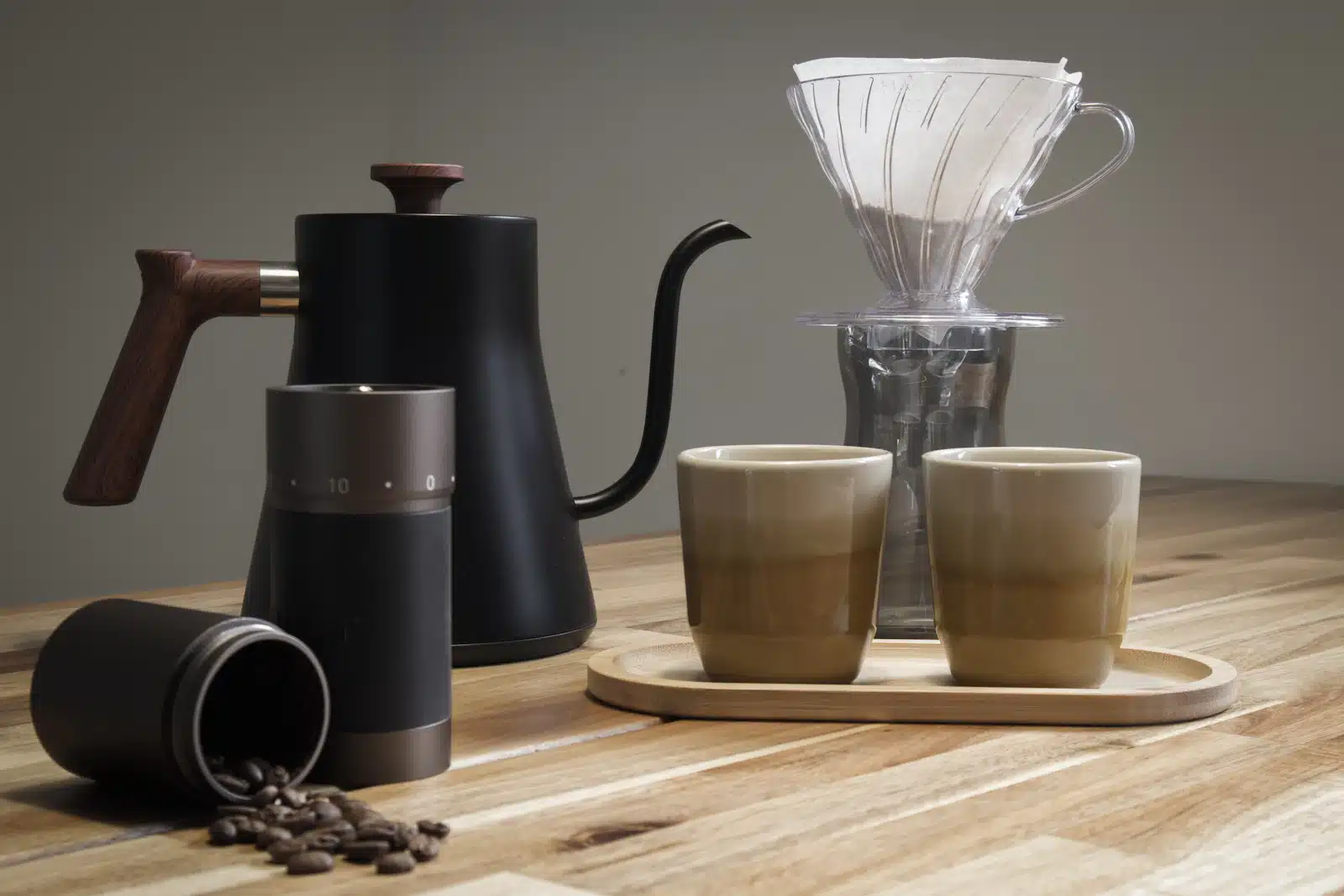
Filter coffee is making a comeback in specialty coffee shops. The national filter coffee championship was one of the main events at Expo 2026. If you want to start brewing filter coffee at home, compare V60, Chemex, and AeroPress.
What are Colombian coffee drinkers looking for?
Colombian coffee drinkers want more flavor, more origin, and more experience, and price is starting to lose weight as the only reason to buy. According to the CUAS consumer study cited by Valora Analitik, flavor is now the main factor in choosing a coffee brand and in trying new ones.
A few figures help show the size of the market:
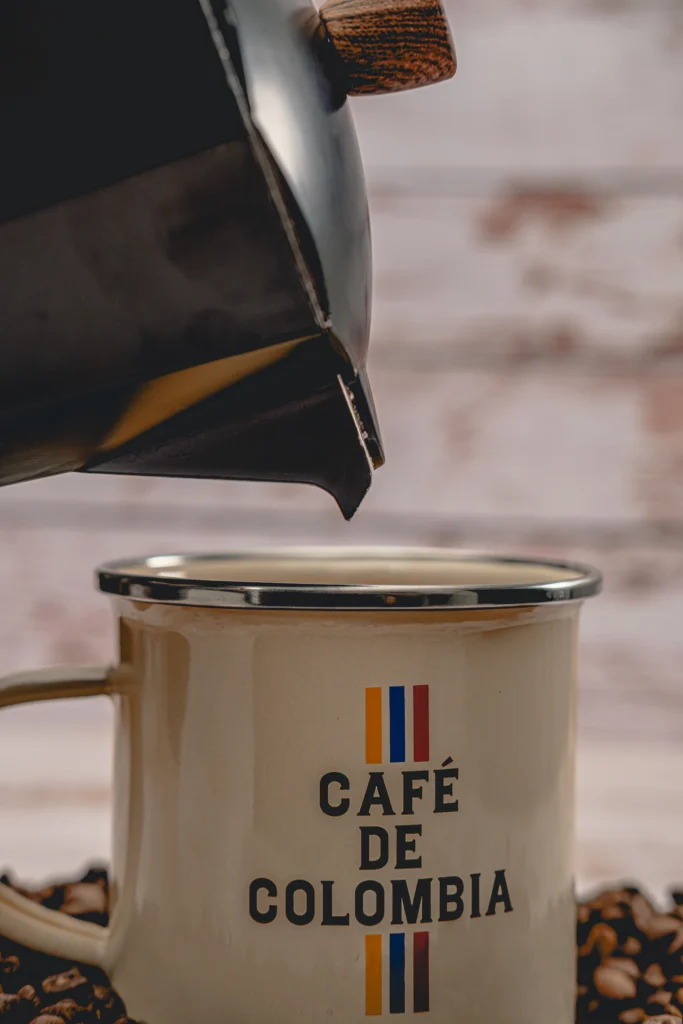
- Domestic consumption: Colombia consumes about 2.32 million 60-kg bags a year, according to the FNC (Infobae).
- Per person: about 2.5 kg (5.5 lb) of coffee a year, close to 330 cups, according to Asoexport.
- Packaged coffee: the supermarket and retail store market is worth about US$550 million and grew more than 40% in two years, according to NielsenIQ.
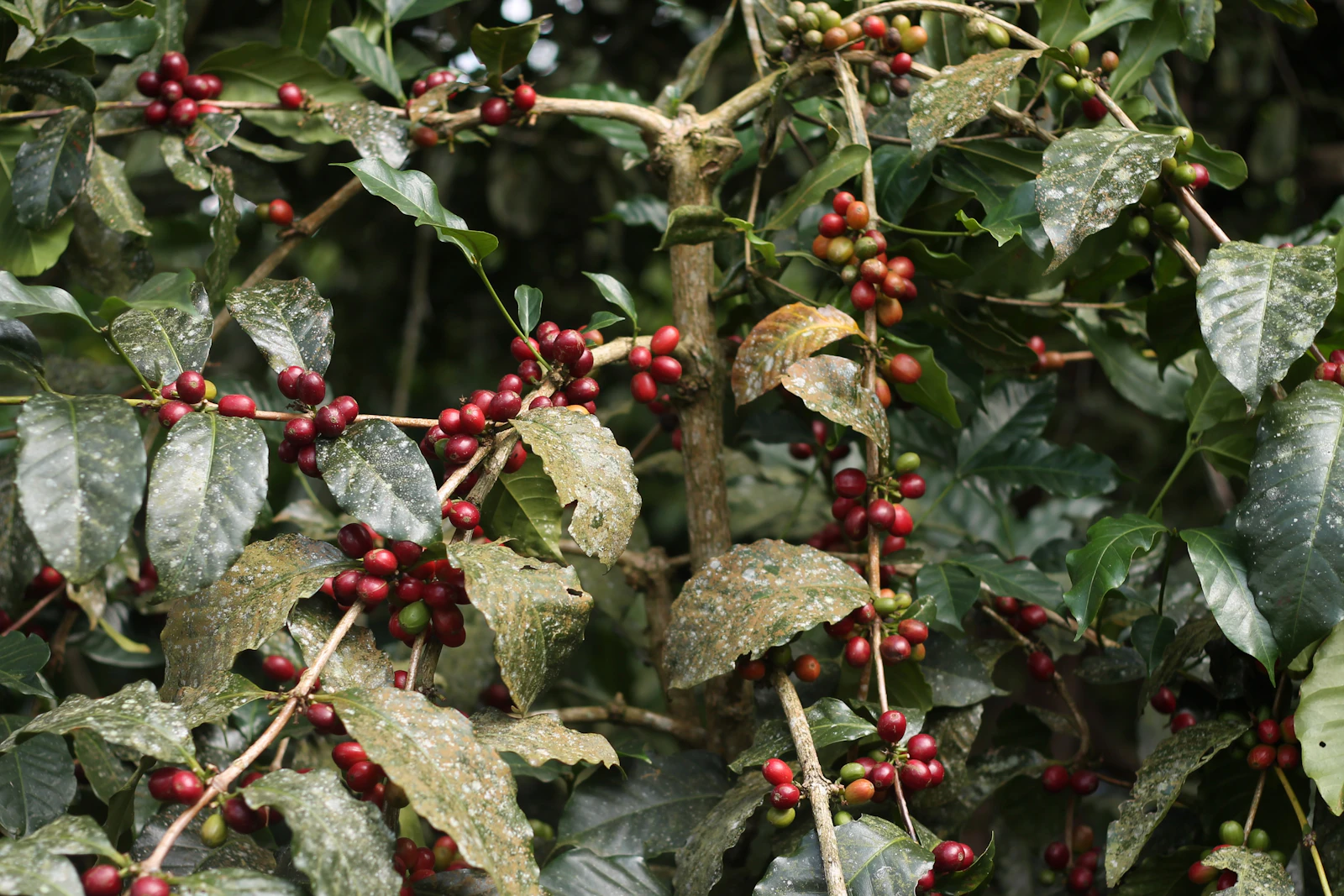
Millennials and Gen Z show more interest in single-origin coffees, alternative brewing methods, and specialty coffee shops. Curiosity about growing regions and bean traceability is rising too. And on delivery apps, according to RappiAds, independent and specialty brands grew by as much as 111% in some cases between January and August 2026 (El País).
Coffee is also ordered by app, and not just in the big cities. According to the same RappiAds report, Bogotá and Medellín lead in coffee order volume, and Barranquilla is third, with 22.6% growth. Valledupar was the city that accelerated most, up 67.6%. Santa Marta grew 33% and Montería 16%.
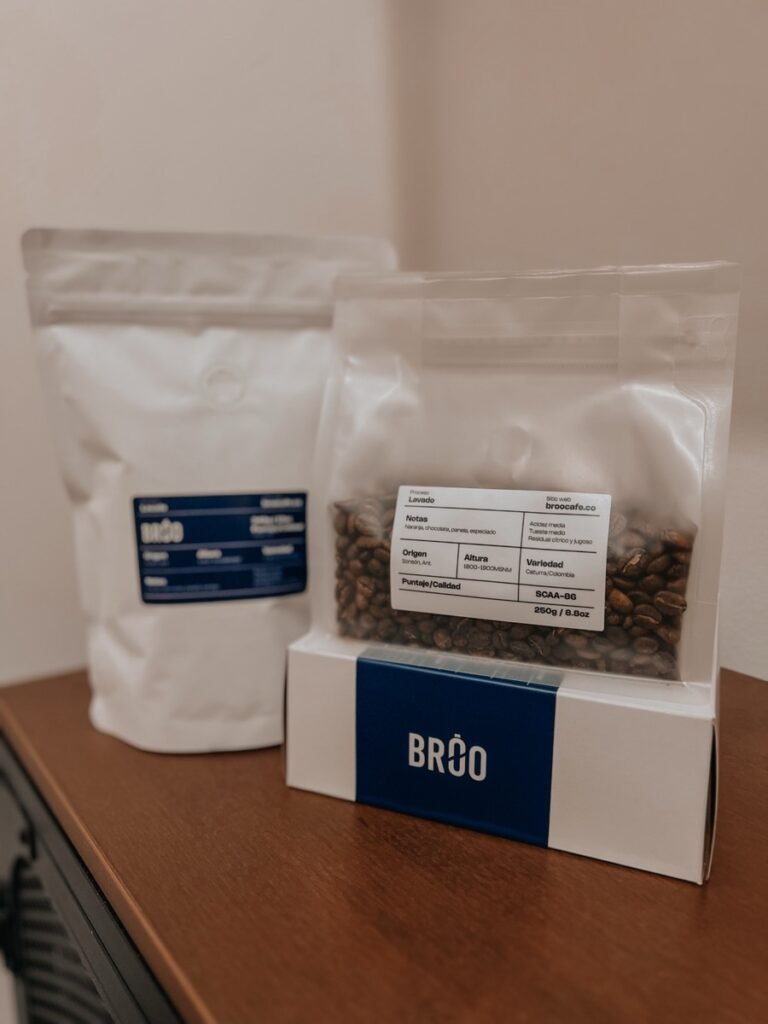
Want to explore flavors at home? Compare a washed and a natural coffee from Antioquia: the Sonsón Washed and the Caicedo Natural. In coffee processing methods, we explain why they taste so different.
What coffee trends are coming in 2027?
For 2027, we see more traceability, prices that stay volatile, more ready-to-drink cold coffee, and drinkers who are increasingly demanding about flavor. These aren’t magic predictions: they’re the continuation of what the 2026 data already shows.
Here’s what we see coming, with our feet on the ground:
- More traceability. Europe will require proof that coffee doesn’t come from deforested areas. Knowing which farm your coffee comes from will become the norm. We explain it in coffee traceability.
- Prices that keep moving. Brazil’s large harvest pushes prices down, while low inventories and El Niño push them up.
- Ready-to-drink coffee. It already accounts for 21% of what specialty drinkers in the United States prepare at home.
- Filter coffee and medium roast. Medium roast is the favorite of 58% of specialty drinkers, according to the NCA.
What about fads like mushroom coffee or protein coffee? There’s a lot of noise on social media and little solid data. We’d rather wait for the evidence before recommending them.
The best trend is still the same as ever: a well-made coffee, enjoyed slowly. Good coffee. Well made. Well lived.
Coffees from this guide


Broo Café Team
The coffee team at Broo Café, specialty coffee roasters in Medellín.
Content reviewed by the Broo Café Team.
Frequently asked questions
What is the most popular coffee drink in 2026?
In the United States, among espresso-based drinks, the latte is the most popular: 21% had one in the past week, according to the NCA. It’s followed by straight espresso, at 20%, and the cappuccino, at 17%.
Is cold brew just a passing fad?
The data says no. Cold coffee has been growing for several years and is now a year-round drink: 60% of specialty coffee drinkers in the United States had a cold drink in the past week, six points more than in 2025.
How much coffee do Colombians drink?
Colombia consumes about 2.3 million bags of coffee a year, according to the Colombian Coffee Growers Federation. Asoexport estimates about 2.5 kilos per person per year, the equivalent of roughly 330 cups per person.
What coffee roast do people prefer?
Medium roast is the most popular. According to the National Coffee Association’s 2026 report, 58% of specialty coffee drinkers in the United States prefer it. It’s a middle ground that works well in drip, filter, stovetop percolator (greca), and milk drinks.
What is ready-to-drink coffee?
It’s coffee that comes already made, in a bottle or can, and you drink it with no further prep. It’s known as RTD, short for ready to drink. It already accounts for 21% of what specialty drinkers in the United States prepare at home.
Summary
- In the United States, specialty coffee now outpaces traditional coffee in daily consumption: 47% versus 42%.
- Cold coffee is a year-round drink, and 76% of specialty drinkers brew coffee at home.
- In Colombia, flavor is gaining ground over price, and young people are looking for origin, cold drinks, and alternative brewing methods.
Ready to try a trend today? Start with our iced coffee recipes and tell us in the comments which of these trends has already reached your home.
References
- Daily Coffee News (2026). Specialty coffee holds lead over traditional coffee in the U.S. (NCA 2026 Specialty Coffee Report)
- Valora Analitik (2026). Consumo de café cambió radicalmente en Colombia: lo importante ya no es el precio (in Spanish)
- Portafolio (2026). Cafés de Colombia Expo 2026: 180 expositores y una agenda que mostró la evolución del café colombiano (in Spanish)
- Infobae (2026). Colombia cerró el año cafetero con una caída del 15 % en su producción (in Spanish)
- El País (2026). Las ciudades colombianas que más toman café aumentan los pedidos a través de aplicaciones (in Spanish)