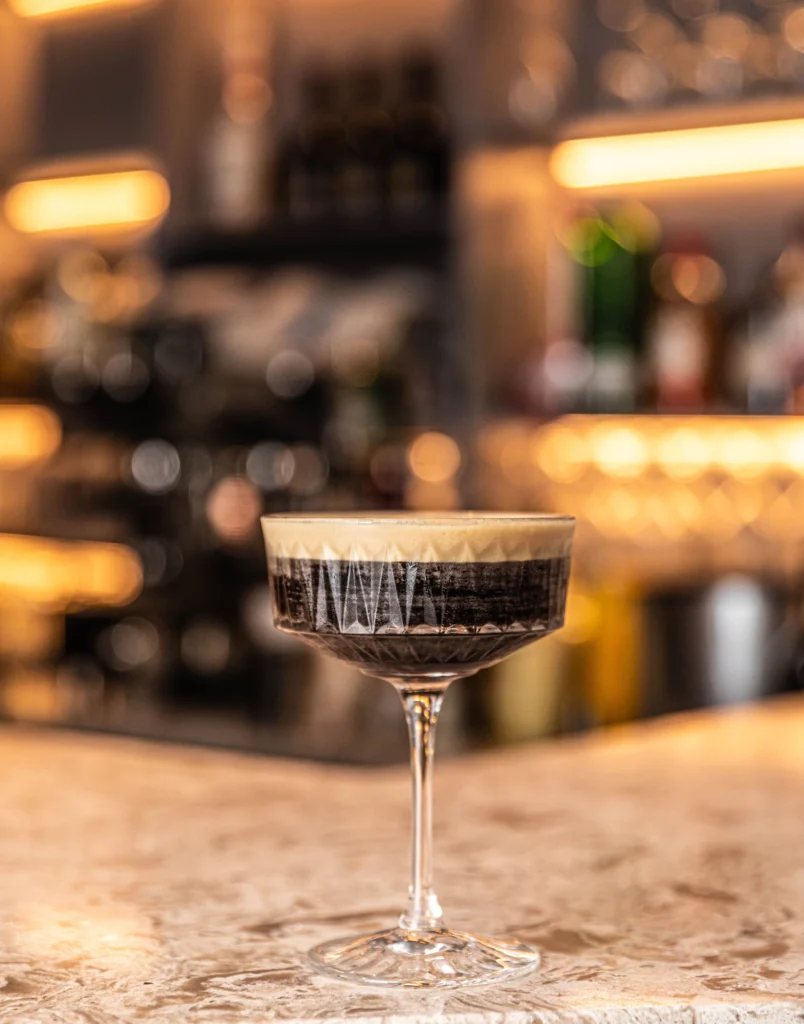
The espresso martini is a coffee cocktail made by shaking vodka, coffee liqueur, simple syrup, and a strong espresso with ice, then straining it into a chilled glass topped with three coffee beans.
The official recipe from the International Bartenders Association (IBA) uses 50 ml (1.7 oz) vodka, 30 ml (1 oz) coffee liqueur, 10 ml (⅓ oz) simple syrup, and one strong espresso (IBA, Espresso Martini).
December rolls around, there’s a get-together at home, and someone asks for “something with coffee, but festive.” The espresso martini is exactly that: an elegant, dark cocktail with a hazelnut-colored layer of foam that looks like it came from a high-end bar. And it takes five minutes.
In this guide, we show you how to make an espresso martini with the official recipe, how to get the foam, what coffee to use, how to make it with cold brew, and how to make an alcohol-free version so nobody is left out. If you want the full picture of coffee cocktails, start with our guide to coffee cocktails.
This content is intended for adults aged 18 and over. Enjoy alcohol in moderation.
What is an espresso martini?
The espresso martini is a cocktail of coffee, vodka, and coffee liqueur that’s shaken with ice and served cold, without ice, in a cocktail glass. Despite the name, it isn’t a classic martini: there’s no gin or vermouth. It gets its name from the glass it’s served in.

The IBA, which publishes the reference recipes for bartenders around the world, includes it on its official list in the “New Era” category. That means it’s a modern cocktail, but one so well known that it has a standard recipe.
What makes it so popular is its balance. Each ingredient has a job:
- The espresso brings bitterness, aroma, and foam.
- The coffee liqueur adds sweetness and reinforces the coffee flavor.
- The vodka provides the alcohol without masking the other flavors, because it has almost no flavor of its own.
- The simple syrup fine-tunes the sweetness, especially if the coffee is very intense.
The result is a cold, silky drink that tastes like real coffee. That’s why it works as an aperitif, as dessert, or to close out a December dinner. Just keep in mind that it has caffeine and alcohol at the same time, so it’s best enjoyed slowly.
How do you make an espresso martini, step by step?
Add 50 ml of vodka, 30 ml of coffee liqueur, 10 ml of simple syrup, and a strong espresso to a cocktail shaker. Fill it with ice, shake hard for about 15 seconds, and strain into a chilled glass. That’s the IBA recipe; the rest is details to make it perfect.
Ingredients for 1 cocktail (IBA recipe):
- 50 ml (1.7 oz) vodka.
- 30 ml (1 oz) coffee liqueur.
- 10 ml (⅓ oz) simple syrup (sugar syrup).
- 1 strong espresso, freshly pulled.
- Ice and 3 coffee beans to garnish.
Step by step:
- Chill the glass. Fill it with ice or put it in the freezer while you get everything ready.
- Make the espresso. Let it rest for a minute or two so it doesn’t melt all the ice at once.
- Measure the ingredients. Use a jigger. In cocktails, a few extra milliliters change the flavor.
- Shake with ice. Fill the shaker to the top with ice, close it tightly, and shake hard.
- Strain. Dump the ice from the glass and pour the cocktail through a strainer so no ice chips get through.
- Garnish. Place the three coffee beans on the foam, as the IBA specifies.
No simple syrup? Make it at home: mix one part sugar with one part hot water and stir until dissolved. Let it cool and store it in the fridge in a clean jar.
No cocktail shaker? A glass jar with an airtight lid works. Shake with the lid tightly closed and strain through a tea strainer.
If you’re making several, don’t shake them all at once. Make no more than two per batch so the foam turns out right.
How do you get the foam on an espresso martini?
The foam comes from shaking a freshly pulled espresso very hard with plenty of ice. The coffee’s oils and crema trap air and form that light, creamy layer on the surface. Without a good fresh espresso and a vigorous shake, the foam ends up thin or disappears.
If your espresso martini comes out flat, check the following:
- The coffee isn’t fresh. An espresso made half an hour ago has already lost much of its crema.
- You’re shaking too gently or not long enough. Shake hard, with energy, for about 15 seconds.
- Not enough ice. Fill the shaker. More ice chills faster and dilutes less.
- The coffee is too weak. A light, watery tinto (Colombia’s everyday black coffee) doesn’t have the body to foam. This cocktail calls for concentrated coffee.
- You’re serving it unstrained. Ice chips break up the layer of foam.
A bartender’s trick is the “dry shake”: shake first without ice for a few seconds to aerate, then again with ice to chill. It isn’t required, but it helps when the coffee has little crema.
Temperature matters too. A lukewarm cocktail loses its foam faster and tastes boozier. That’s why a chilled glass isn’t just a whim: it keeps the drink ice-cold longer and protects the foam while you sip. If it’s hot out, keep the shaker in the fridge as well.
And the three coffee beans? They’re the traditional garnish. Besides looking good, they float on the foam and tell you whether it held up: if they sink quickly, the foam was weak.
What coffee should you use for an espresso martini?
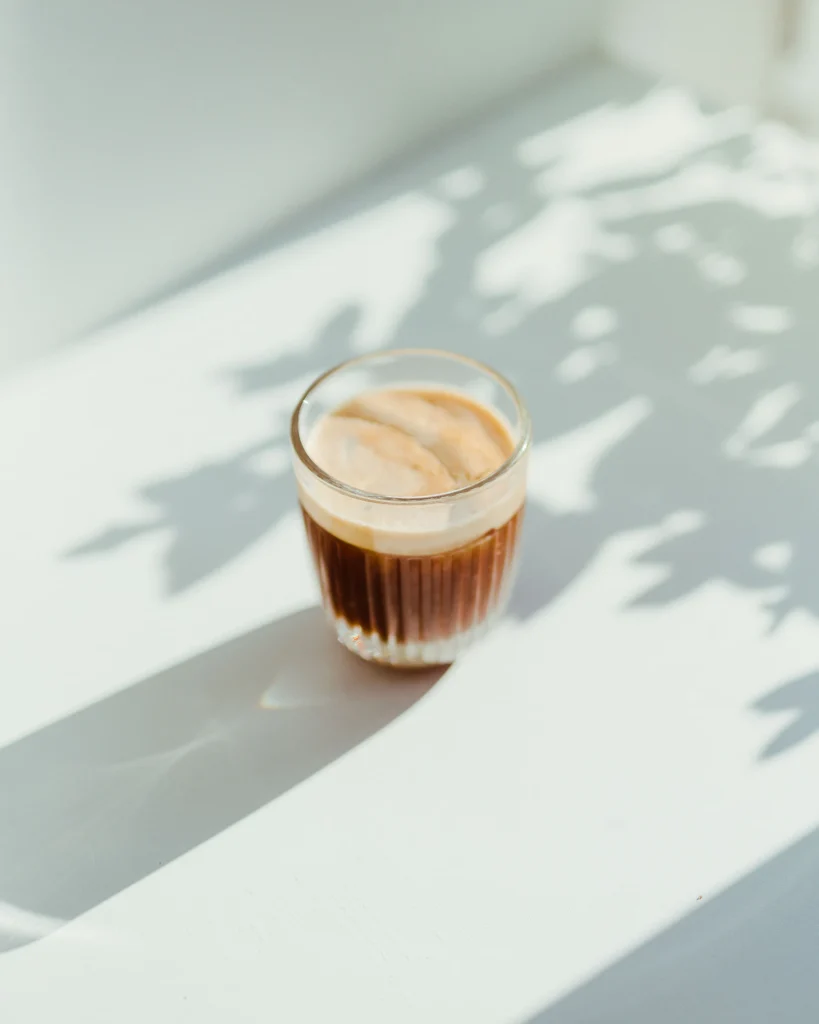
Use a freshly ground, medium roast specialty coffee with notes of chocolate, caramel, or fruit. Coffee is the ingredient you taste most, so a burnt or stale one will ruin the cocktail even if the liqueur is good. The espresso should be short and intense.
A few ideas depending on the flavor you’re after:
- Classic and balanced: a clean washed coffee, like our Sonsón washed coffee, makes a rounded espresso martini with pleasant bitterness and no odd notes.
- Sweeter and fruitier: a natural coffee, like our Caicedo natural coffee, adds fruit notes that pair really well with coffee liqueur.
- For a crowd: cold brew concentrate saves you from pulling an espresso for every cocktail. We cover it in the next section.
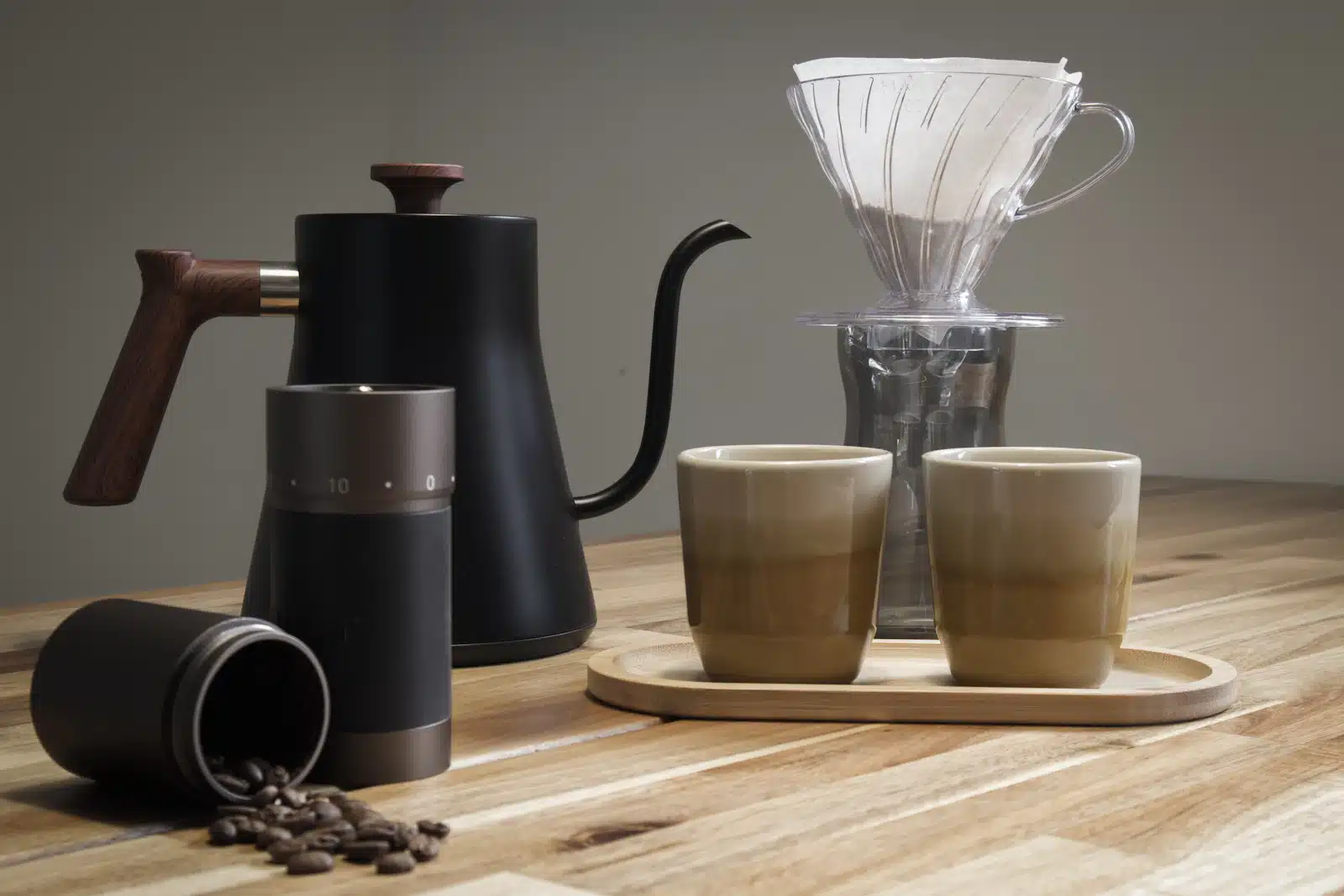
According to the NCA, espresso is made with finely ground coffee, extracted in about 20 to 30 seconds, at a ratio of roughly 1:2 coffee to beverage. If you don’t have a machine, a moka pot or an AeroPress with little water makes coffee that’s strong enough. We explain how in how to use a moka pot.
About the coffee liqueur: the IBA names a well-known brand, but any good-quality coffee liqueur works. Taste it on its own first. If it’s very sweet, cut back on the syrup or leave it out.
Can you make an espresso martini with cold brew?
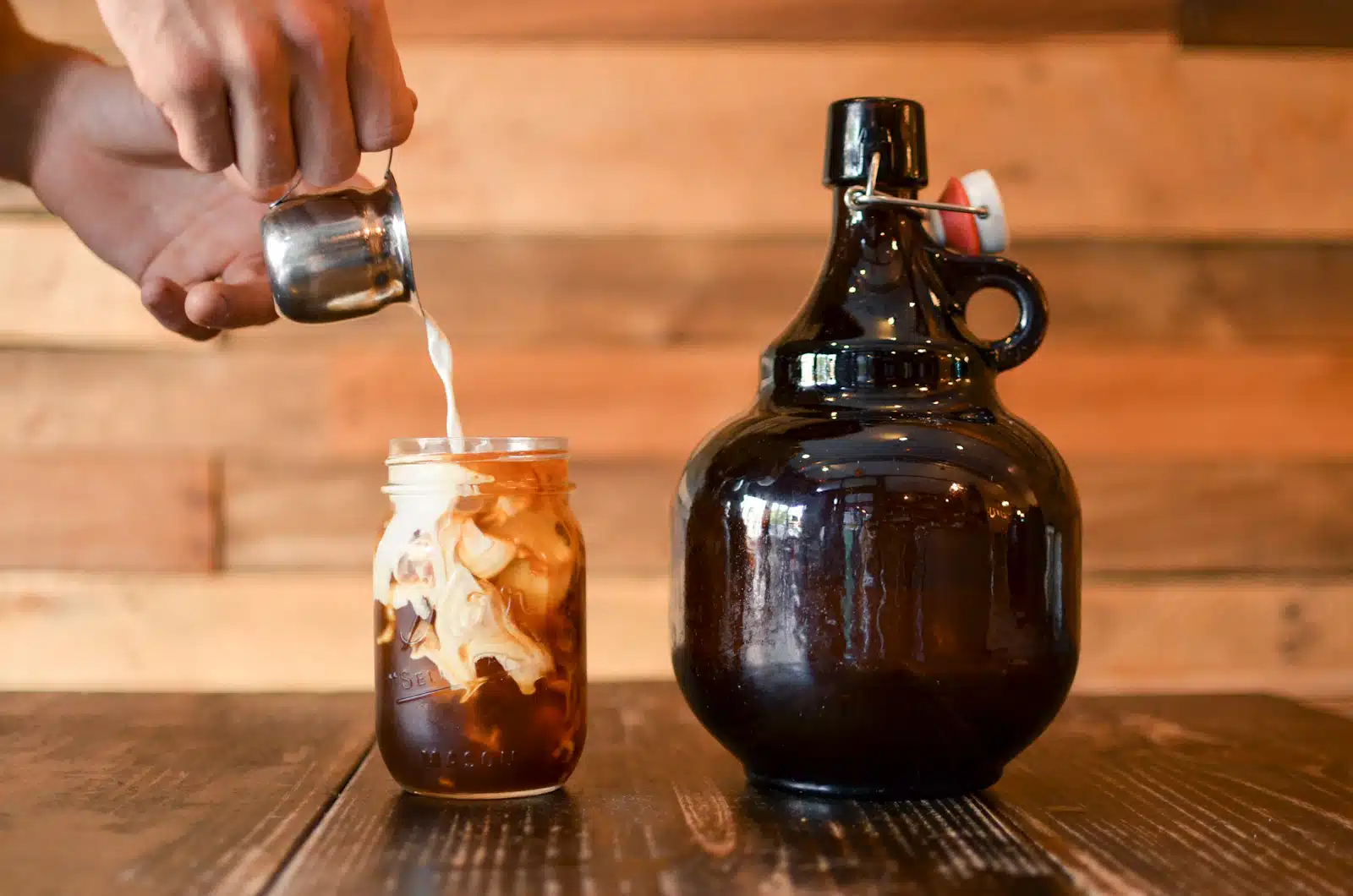
Yes. Replace the espresso with about 30 to 40 ml (1 to 1.4 oz) of cold brew concentrate. The cocktail turns out smoother, less bitter, and much more practical when you’re making several at a party. The foam is a little less dense, but you can make up for it by shaking harder.
Cold brew is coffee brewed cold over many hours. The NCA explains that the concentrate is meant to be diluted with water or served over ice. In a cocktail, the ice in the shaker does that diluting.
Cold brew espresso martini (1 cocktail):
- 50 ml (1.7 oz) vodka.
- 30 ml (1 oz) coffee liqueur.
- 30 to 40 ml (1 to 1.4 oz) cold brew concentrate.
- 5 to 10 ml (1 to 2 tsp) simple syrup, to taste.
Shake with ice and strain just like the classic recipe. Keeping a bottle of 700 ml cold brew concentrate in the fridge lets you serve cocktails for everyone without standing at the coffee maker every five minutes.
If you want to learn more about cold brew and how to make it yourself, read our guide to what cold brew is.
How do you make an alcohol-free espresso martini?
For an alcohol-free version, shake 60 ml (2 oz) of cold brew concentrate or a double espresso, 30 ml (1 oz) of milk or plant-based milk, and 10 to 15 ml (2 to 3 tsp) of simple syrup with ice. Strain into a chilled glass and garnish with coffee beans. It keeps the foam, the coffee flavor, and the elegant presentation.
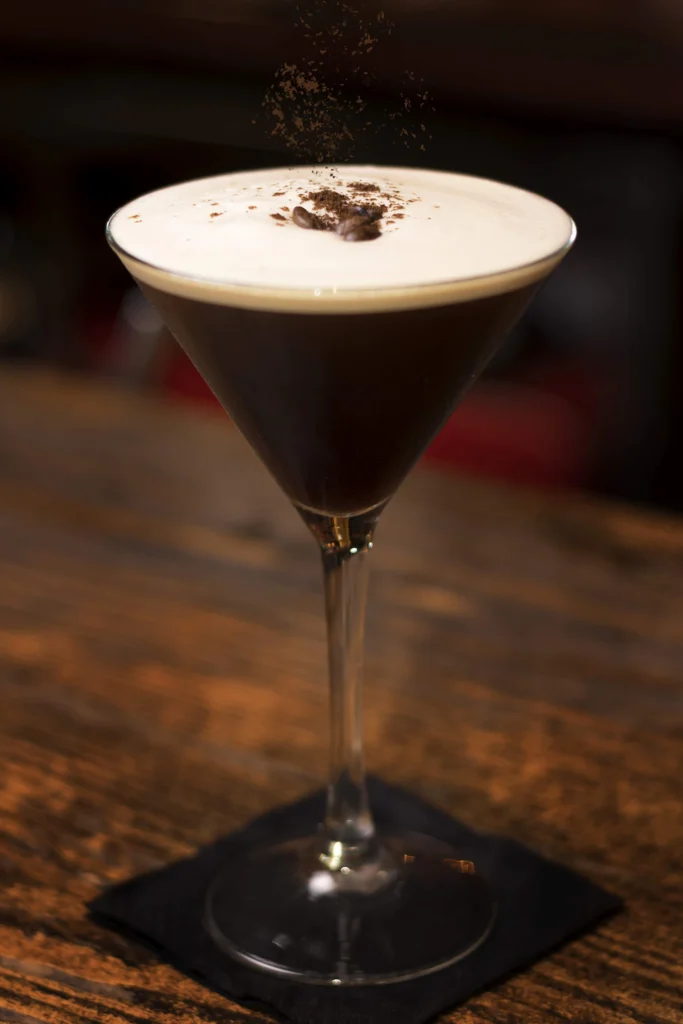
It’s the option for whoever is driving, for anyone who doesn’t drink alcohol, and for underage guests. That way nobody is left without a glass for the toast.
Ideas for switching up the alcohol-free version:
- With vanilla: swap the simple syrup for vanilla syrup.
- With panela: use melao (panela syrup, made from unrefined cane sugar) instead of simple syrup. It’s very Colombian.
- With cinnamon: add a pinch of cinnamon before shaking, perfect for the novenas (Colombia’s pre-Christmas gatherings).
- Lighter: no milk, just cold brew, syrup, and ice.
If you serve alcohol, keep in mind that Colombia’s Ministry of Health warns that its sale and consumption are prohibited for anyone under 18, and that drinking is high risk during pregnancy. Always offer water and alcohol-free options, and don’t drive if you’ve been drinking.
Craving a hot cocktail for chilly nights? Try Irish coffee, with whiskey, coffee, and cream.
Coffees from this guide


Broo Café Team
The coffee team at Broo Café, specialty coffee roasters in Medellín.
Content reviewed by the Broo Café Team.
Frequently asked questions
What coffee liqueur can I use if I don’t have the name brand?
Any good-quality coffee liqueur works. Taste it on its own before making the cocktail: if it’s very sweet, reduce or skip the simple syrup. If you don’t have coffee liqueur, add a little more coffee and syrup, although the final flavor will be drier.
Can you make an espresso martini ahead of time?
You can have the simple syrup ready, measure out the liquors, and have the coffee brewed and chilled. But the shake with ice happens right when you serve, because that’s when the foam forms, and it starts to settle within a few minutes.
Does an espresso martini have a lot of caffeine?
It has the caffeine of one espresso or of the cold brew portion you use, roughly that of a small coffee. If you’re drinking it at night, make it with decaf. Remember that caffeine doesn’t reduce the effects of alcohol.
What glass do you use for an espresso martini?
The IBA calls for a well-chilled cocktail glass. The most common choices are a martini glass or a wide-mouthed coupe. If you don’t have one, any chilled glass works. What matters is that it’s ice-cold before you serve.
Why is my espresso martini watery?
It’s almost always from too little ice, shaking too long, or using coffee that’s too weak. Fill the shaker with ice, shake for about 15 seconds, and use a strong espresso or cold brew concentrate. Strain it and serve in a chilled glass.
Summary
- The IBA espresso martini recipe calls for 50 ml of vodka, 30 ml of coffee liqueur, 10 ml of simple syrup, and a strong espresso, shaken with ice.
- The foam depends on fresh espresso, plenty of ice, and a vigorous shake; three coffee beans are the traditional garnish.
- With cold brew concentrate it’s smoother and more practical for parties, and the alcohol-free version keeps the foam and the coffee flavor.
Want more ideas for your December get-together? Discover the carajillo and other recipes in our guide to coffee cocktails. And tell us in the comments whether you prefer it with espresso or cold brew.