The carajillo is a simple coffee-and-liqueur cocktail: a hot or cold espresso mixed with a sweet liqueur, served in a short glass, often over ice.
If you’d rather have a classic with an official recipe, the International Bartenders Association (IBA) defines the espresso martini as 50 ml (1.7 oz) vodka, 30 ml (1 oz) Kahlúa, 10 ml (⅓ oz) simple syrup, and 1 strong espresso (IBA, Espresso Martini).
You’ve got guests over, there’s coffee left from lunch, and nobody wants another tinto (Colombia’s everyday black coffee). Or dinner is over and you’re craving something with coffee that isn’t dessert. Coffee cocktails are made for that moment, and they’re easier than they look.
In this guide, we show you how to make a carajillo at home, the espresso martini with the official IBA recipe, and an espresso tonic that works any time of day. You’ll also find other coffee cocktails, how to use cold brew behind the bar, and alcohol-free versions so nobody at the table is left out. The recipes with liquor are for adults of legal drinking age only: enjoy them slowly and responsibly.
What is a carajillo and how do you make it?
A carajillo is coffee with liquor, plain and simple: an espresso mixed with a sweet liqueur or a spirit, served hot or over ice. There are many versions and no single official recipe. The most popular today is the cold one, shaken with ice, which ends up with a light layer of foam on top.
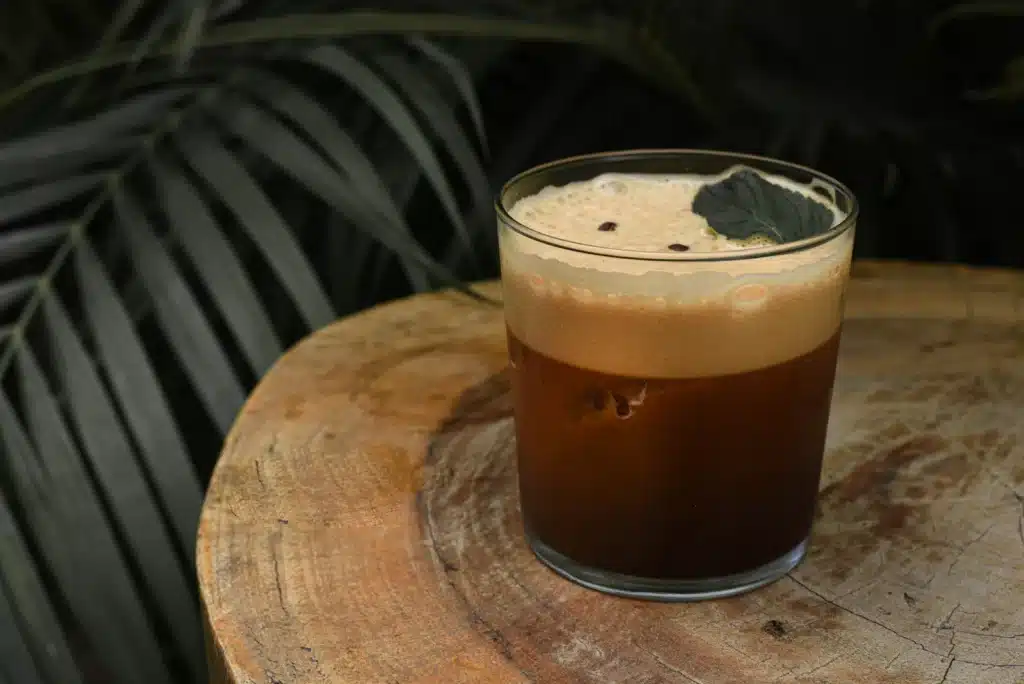
This is our house recipe for the cold version.
Ingredients (1 glass):
- 1 freshly pulled double espresso, or 60 ml (2 oz) of very strong coffee from a moka pot or AeroPress.
- 45 ml (1.5 oz) of sweet vanilla or herbal liqueur.
- Ice.
- Optional: orange peel or three coffee beans to garnish.
Method:
- Fill a short glass with ice to chill it.
- Add the liqueur and coffee to a cocktail shaker with ice. If you don’t have a shaker, use a jar with a tight-fitting lid.
- Shake hard for a few seconds, until the jar feels very cold.
- Dump the ice from the glass and strain the mixture over fresh ice.
- Garnish and serve right away, before the foam settles.
Hot version: warm the liqueur slightly, or use brandy or rum, and serve it with freshly brewed coffee in a small cup. It’s the classic after-dinner carajillo.
The secret is the coffee: if it’s flat or bitter, the liqueur won’t save it. A freshly ground specialty coffee makes all the difference. Now that you’ve got the carajillo down, let’s move on to a classic with an official recipe.
How do you make an espresso martini?
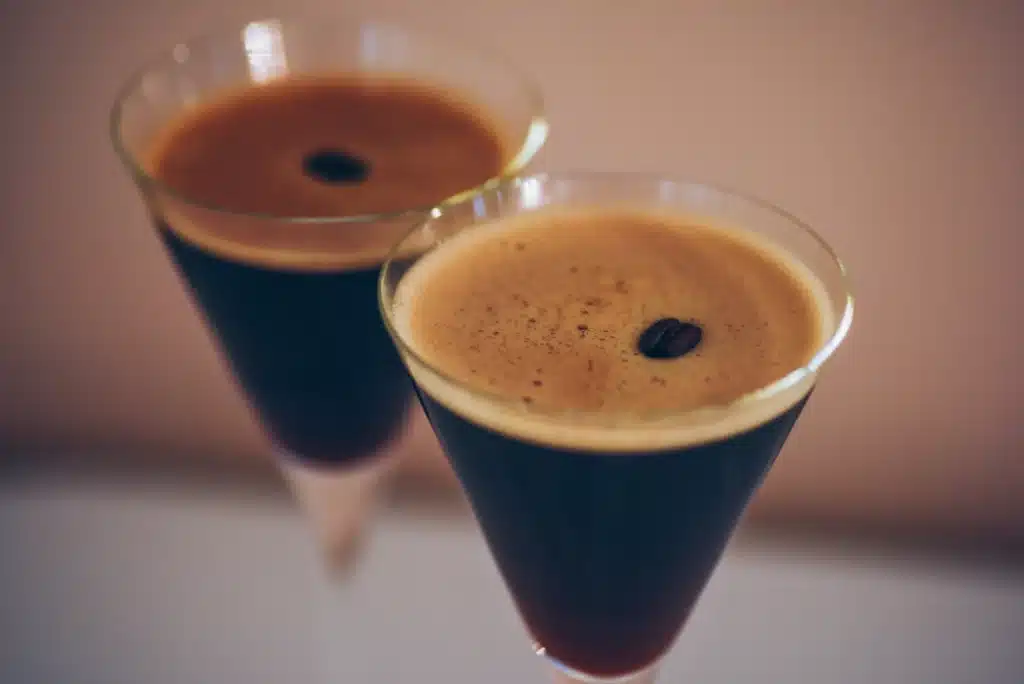
An espresso martini is made by shaking vodka, coffee liqueur, simple syrup, and a strong espresso with ice, then straining it into a chilled glass. It has an official recipe: the one from the International Bartenders Association (IBA), which we share here unchanged.
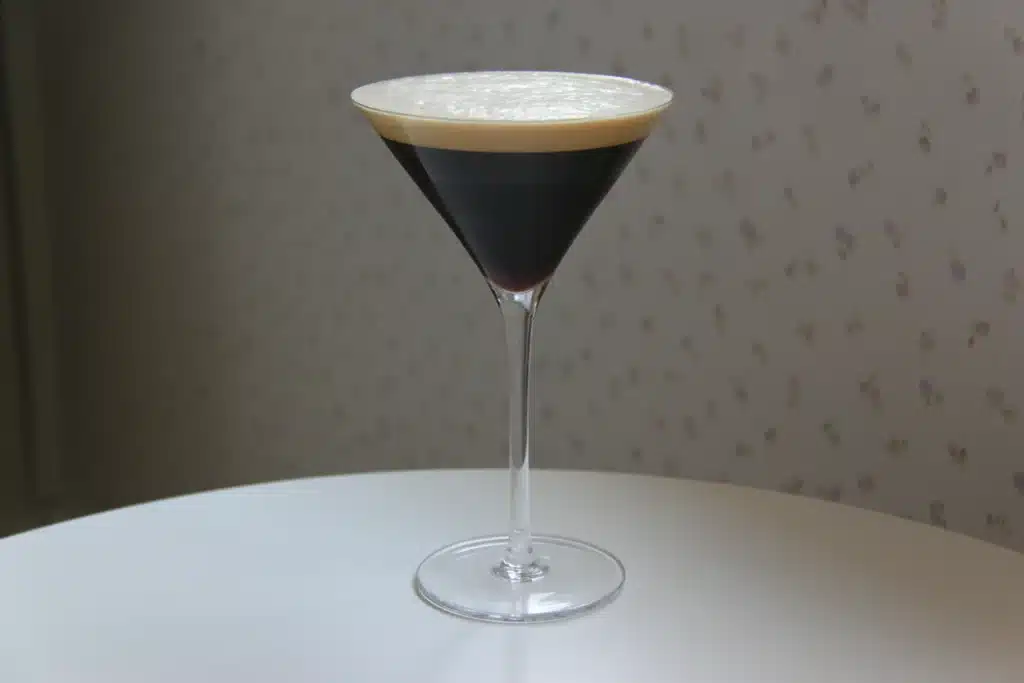
Ingredients according to the IBA:
- 50 ml (1.7 oz) vodka.
- 30 ml (1 oz) Kahlúa (coffee liqueur).
- 10 ml (⅓ oz) simple syrup.
- 1 strong espresso.
- To garnish: 3 coffee beans.
Method according to the IBA:
- Pour all the ingredients into a cocktail shaker.
- Shake well with ice.
- Strain into a chilled cocktail glass.
- Garnish with the 3 coffee beans.
A couple of tips from our team: pull the espresso right before you mix, and don’t let it cool in the cup, because it loses aroma. Chill the glass with ice or in the freezer while you get everything ready. No espresso machine? A moka pot or an AeroPress with strong coffee gives a very respectable result.
If you want it less sweet, try the official recipe first and then adjust the syrup in your next round. But the espresso martini is just the beginning: there are more classics worth knowing.
What other coffee cocktails are there?
Besides the carajillo and the espresso martini, there are several coffee classics: Irish coffee, the black Russian, the white Russian, and Colombian-style versions with rum or aguardiente (Colombia’s anise-flavored spirit). The spirit, temperature, and texture change, but they all start from the same place: a flavorful coffee and a liquor that complements it without covering it up.
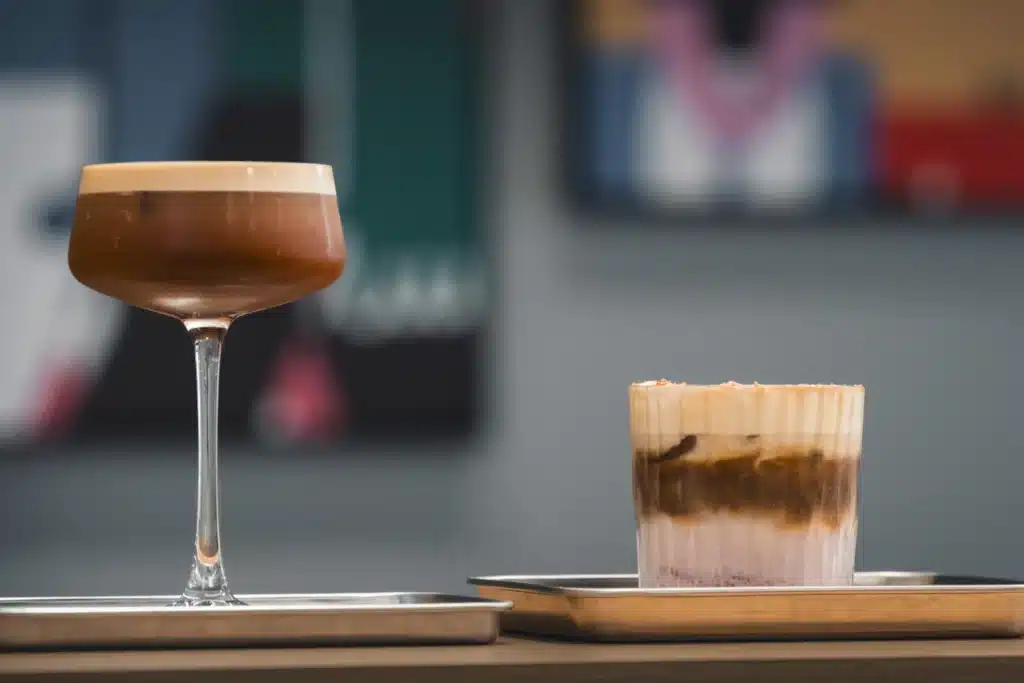
This overview helps you choose for the occasion:
| Cocktail | Base | Temperature | Profile | When to serve it |
|---|---|---|---|---|
| Carajillo | Espresso and a sweet liqueur or spirit | Cold or hot | Sweet and intense | After dinner |
| Espresso martini | Espresso, vodka, coffee liqueur, and syrup | Cold | Foamy, sweet, and bitter | Before going out or for a celebration |
| Irish coffee | Hot coffee, Irish whiskey, sugar, and cream | Hot | Creamy and warming | Cold nights |
| Black Russian | Vodka and coffee liqueur | Cold, over ice | Dry, coffee-forward | After dinner |
| White Russian | Black Russian with cream or milk | Cold, over ice | Smooth and creamy | For anyone who doesn’t want a strong flavor |
| Tinto with rum or aguardiente | Hot tinto and a splash of spirit | Hot | Simple and warming | Early mornings on the farm or chilly mountain weather |
Notice that coffee is the star in several of them. That’s why it pays to choose your beans carefully. A clean, balanced washed coffee pairs well with sweet liqueurs and cream. A fruity, intense natural coffee shines with rum and citrus. Our guide to types of coffee explains how to read those flavor profiles.
You can make all of these with espresso or filter coffee. But there’s another base that changes the game behind the bar: cold brew.
Can you make cocktails with cold brew?
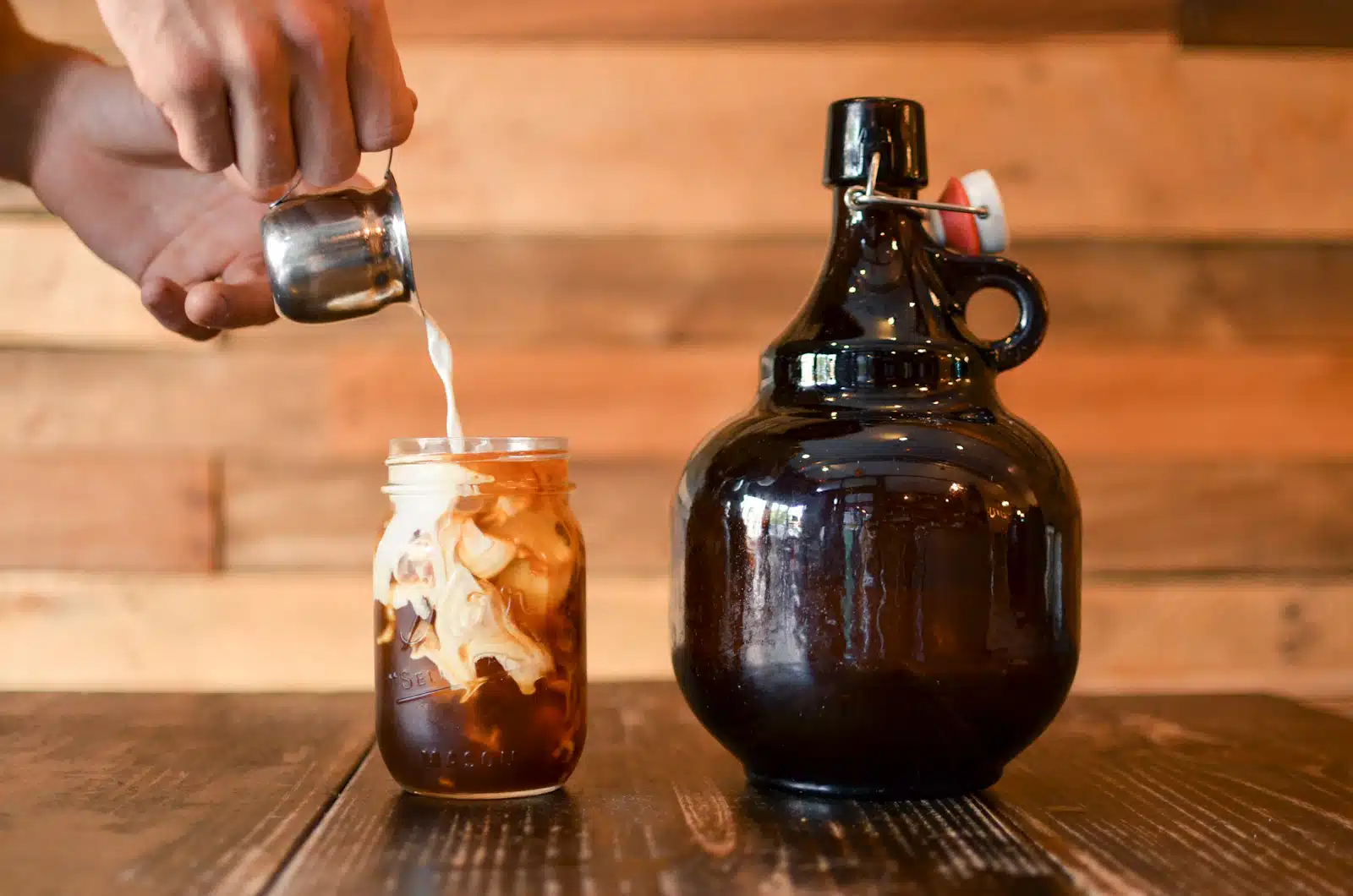
Yes, and they work really well: cold brew concentrate is already cold, it’s smooth, and it doesn’t turn bitter if you make it hours ahead. That makes it ideal for parties, because you don’t have to pull an espresso for every cocktail. Plus, according to the National Coffee Association (NCA), the concentrate is meant to be diluted or served over ice.
Here’s how you can use it:
- Cold brew espresso martini: instead of espresso, use undiluted cold brew concentrate. The foam is lighter, but the flavor is smoother and rounder. Note: this is no longer the official IBA recipe; it’s our house variation.
- Cold brew black Russian: pour vodka and coffee liqueur over ice and top with a splash of cold brew concentrate to boost the coffee flavor.
- Cold brew with rum and panela: mix rum, cold brew concentrate, and a little panela (unrefined cane sugar) syrup over ice, with orange peel. A true taste of Colombia.
Making cold brew at home takes planning: the NCA talks about roughly 12 hours of steeping. We walk you through it step by step in our guide to what cold brew is and how to make it. If you’re short on time, a 700 ml cold brew concentrate gives you a base for plenty of cocktails, and the coffee cocktails section of our shop has ideas for setting up your home bar.
Cold brew is also the perfect base for bubbly drinks. And speaking of bubbles, the espresso tonic deserves its own recipe.
How do you make an espresso tonic?
To make an espresso tonic, pour well-chilled tonic water over ice and then, very slowly, pour a fresh espresso on top. It’s alcohol-free, comes together in a minute, and forms layers: clear tonic on the bottom, dark coffee on top. It’s bitter, citrusy, and refreshing, ideal for the afternoon.
This is our house recipe.
Ingredients (1 glass):
- 1 freshly pulled double espresso, or 60 ml (2 oz) of cold brew concentrate.
- 150 ml (5 oz) of well-chilled tonic water.
- Ice.
- A slice or peel of orange or lemon.
Method:
- Fill a tall glass with ice.
- Pour the tonic slowly, tilting the glass so it keeps its fizz.
- Pour the espresso over the back of a spoon so it floats in a layer.
- Garnish with the citrus and stir just before drinking.
If the tonic foams over when you add the coffee, it’s not magic: it’s the tonic’s carbonation rising as the coffee hits it. Pour more slowly or let the espresso rest for a few seconds. With a fruity natural coffee, the tonic is especially delicious.
Like the idea of coffee with bubbles? Our iced coffee recipes include a cold brew tonic and a mandarin refresher. And since the espresso tonic is already alcohol-free, let’s keep going in that direction.
How do you make alcohol-free versions?
To make alcohol-free coffee cocktails, swap the liquor for syrups, spices, or fruit and keep the technique: shake with ice, strain, and garnish. That way you keep the foam, the presentation, and the cocktail ritual. Nobody at the table is left out, and coffee is still the star.
Three house recipes to get you started:
- Alcohol-free espresso martini: shake 1 strong espresso, 60 ml (2 oz) of cold brew concentrate, and 15 ml (½ oz) of simple syrup with ice. Strain into a chilled glass and garnish with three coffee beans.
- Alcohol-free carajillo: shake 1 double espresso and 20 ml (⅔ oz) of vanilla syrup with ice. Serve in a short glass over ice with an orange peel.
- Cold brew with cinnamon and panela: mix 80 ml (2.7 oz) of cold brew concentrate, 100 ml (3.4 oz) of milk or plant-based milk, and panela syrup to taste. Serve over ice with a pinch of cinnamon.
Drink responsibly. If you choose to drink alcohol, do it in moderation. Colombia’s Ministry of Health reminds us that in Colombia, selling alcoholic beverages to anyone under 18 is prohibited (Law 124 of 1994). It also warns that drinking alcohol during pregnancy is high risk. If you’re going to drive, always choose the alcohol-free version.
Alcohol-free versions aren’t a consolation prize. With good coffee, a homemade syrup, and ice, you get a drink with as much character as the original. And no hangover the next day.
Coffees from this guide


Broo Café Team
The coffee team at Broo Café, specialty coffee roasters in Medellín.
Content reviewed by the Broo Café Team.
Frequently asked questions
What coffee liqueur can I use if I don’t have Kahlúa?
Any good-quality coffee liqueur works, whether it’s another brand or a craft one. Taste its sweetness first: if it’s very sweet, cut back on the simple syrup. Keep in mind that the official IBA recipe calls for Kahlúa, so the result will change a little.
How do you get the foam on an espresso martini?
The foam comes from shaking freshly pulled espresso hard with plenty of ice. As you shake, the mixture takes in air and forms that light layer. Use the espresso hot, fill the shaker well with ice, and shake vigorously until it’s very cold.
Can you use instant coffee in cocktails?
You can in a pinch, dissolving it in a very small amount of hot water so it stays concentrated. However, the flavor is flatter and the foam is weaker. If you’re going to invest in good liquor, it’s worth pairing it with freshly brewed coffee.
What glass do you use for a carajillo?
A cold carajillo is served in a short, wide glass, like an old fashioned glass, over ice. The hot version goes in a small cup or a thick glass that can handle the heat. What matters is that the glass is clean and, for the cold version, well chilled.
How do you serve coffee cocktails at a party?
Prepare the base ahead of time: cold brew concentrate or a pitcher of strong coffee that’s already chilled. Have plenty of ice, syrups ready, and glasses chilling. Always offer an alcohol-free option and water for everyone. That way you spend the night with your guests, not behind the bar.
Summary
- The carajillo is coffee with liquor, cold or hot; the cold version is shaken with ice and ends up with foam.
- The official IBA espresso martini calls for 50 ml of vodka, 30 ml of Kahlúa, 10 ml of simple syrup, and 1 strong espresso.
- Cold brew concentrate is a practical base for cocktails and for alcohol-free drinks like the espresso tonic.
Want to always have the base ready for your cocktails? Learn how to make it with our guide to what cold brew is and how to make it at home. And tell us in the comments which coffee cocktail is your favorite.