Coffee cupping is a structured way to taste one or more coffees so you can describe their aroma, flavor, acidity, body, and finish, and compare them side by side.
The professional protocol uses about 8.25 g of coffee per 150 ml of water (roughly 1:18), water between 92 and 94 °C (about 198–201 °F), and 4 minutes before breaking the crust (Royal Coffee, SCA cupping protocol).
You drink coffee every day, but have you ever really tasted it? We don’t mean gulping it down on the way to work. We mean sitting down with two or three cups, smelling them, tasting them, and discovering that they don’t taste the same. That’s cupping, and you can do it in your own kitchen.
In this guide, we explain what coffee cupping is, what you need to do it at home, and how to do it step by step. You’ll also see what gets evaluated, how to use the flavor wheel, and which coffees to compare the first time. You don’t need to be a barista: just some curiosity and a spoon.
What is coffee cupping?
Coffee cupping (in Colombia, cata or catación) is the standard method producers, buyers, and roasters use to evaluate a coffee. Every coffee is prepared the same way, under the same conditions, so that the differences in the cup come from the bean and not from the recipe.
In the professional world, cupping decides a lot. It’s how a lot gets bought, a price gets set, or a competition winner gets chosen. The Colombian Coffee Growers Federation (FNC) notes that, on the SCA scale, a coffee is considered specialty from 80 points (FNC, Caldas Committee). That score comes from a cupping.
Today, the Specialty Coffee Association (SCA) uses a more complete system, the Coffee Value Assessment. It doesn’t rely on a single number: it separates what’s described in the cup, the cupper’s impression, and information about the origin (SCA, CVA).
At home, you don’t need scores. The idea is simpler: learn to put what you taste into words. Once you can, you’ll choose your coffee better and brew it better. If you want to understand what makes a coffee “specialty,” read what specialty coffee is.
What do you need to cup coffee at home?
To cup at home, all you need is two or three different coffees, a scale, a grinder, hot water, matching cups, and a soup spoon. No professional equipment required. What matters is that everything is the same for every coffee, except the coffee itself.
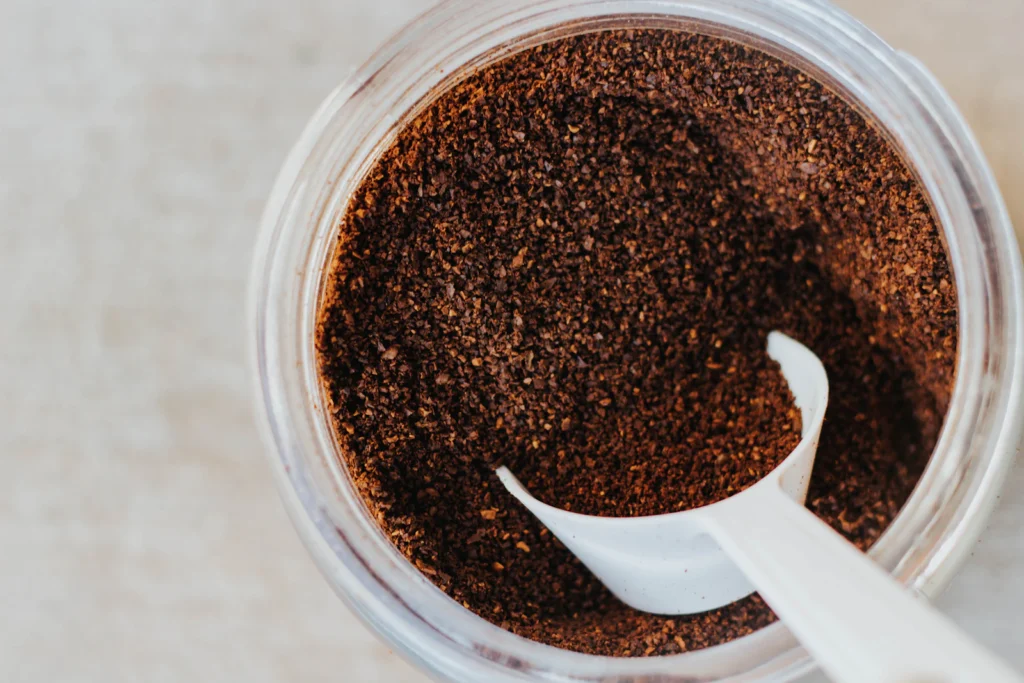
- Two or three coffees. More than four gets confusing at first.
- A kitchen scale. To weigh the same dose into each cup.
- A grinder. If you don’t have one, ask for the coffees ground to the same setting.
- Matching cups or glasses, about 150 to 250 ml (5 to 8 oz).
- Filtered water and a kettle.
- One soup spoon per person and a glass of water to rinse it.
- Paper and pencil for notes.
Set up a space without strong smells. No scented candles, no perfume, no freshly cooked lunch. Your nose is going to do half the work.
A tip: cup in the middle of the morning, when your palate is awake and you haven’t just eaten. And if you’re cupping with friends, have everyone write their notes in silence before talking. That way nobody influences anybody.
How do you cup coffee, step by step?
You grind the coffee, smell it dry, pour hot water, wait 4 minutes, break the crust, skim off the foam, and taste as it cools. These are the steps of the professional protocol, adapted for your kitchen.
- Weigh and grind. Use about 8.25 g of coffee per 150 ml of water. Grind medium-coarse, as for a French press.
- Smell it dry. Bring your nose close to each cup of ground coffee. Write down your first impression: chocolate? Flowers? Fruit?
- Pour the water. The protocol calls for water between 92.2 and 94.4 °C (198–202 °F). At home, let the water rest for about 30 seconds after it boils.
- Wait 4 minutes. A crust of coffee forms on the surface. Smell it from above, without touching it.
- Break the crust. Push gently with the spoon while bringing your nose close. This is the moment of most intense aroma.
- Skim the foam. Using two spoons, remove the foam and any floating bits.
- Taste. Take a little with the spoon and slurp it hard, making noise. That spreads the coffee across your whole mouth.
- Repeat as it cools. The protocol suggests starting to taste at around 77 °C (about 170 °F), some 10 to 15 minutes after pouring the water.
The technical figures come from the cupping protocol described by Royal Coffee, based on SCA standards. At home you don’t need a thermometer: what matters is treating every cup the same.
And why slurp so loudly? Because the air helps carry the aromas up to your nose from inside your mouth. It might feel embarrassing the first few times. After that, you won’t want to taste coffee any other way.
What is evaluated in a coffee cupping?
A cupping mainly evaluates each coffee’s aroma, flavor, acidity, sweetness, body, and finish or aftertaste. In its descriptive assessment, the SCA talks about aroma, flavor, texture, and finish, using a standard vocabulary so everyone understands the same thing.
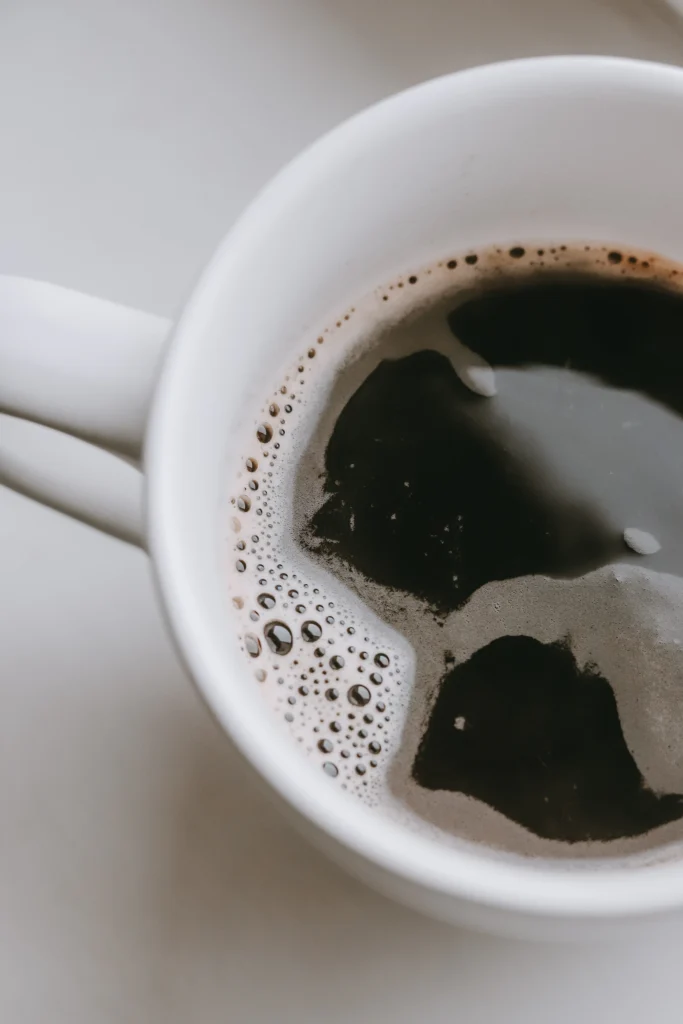
Put simply, this is what you’re looking for in each sip:
- Aroma: what you smell, first dry and then with water.
- Flavor: what you recognize in your mouth. It might remind you of panela (unrefined cane sugar), chocolate, red berries, or citrus.
- Acidity: that bright, juicy sensation, like biting into a piece of fruit. It’s not the same as sour.
- Sweetness: how sweet it feels, even without sugar.
- Body: the weight of the coffee in your mouth. Light like tea or dense like cream.
- Finish: how long the flavor lasts after you swallow, and whether it’s pleasant.
At first you’ll say things like “this one is smoother” or “I like this one better.” That’s perfect. With practice, more precise words show up.
Keep in mind that processing changes these attributes a lot. A natural coffee usually feels sweeter and fruitier than a washed one. We explain it in coffee processing methods.
How do you use the coffee flavor wheel?
The flavor wheel is a map of words for describing coffee; you use it by starting with the general categories in the center and working out toward the more specific flavors on the edges. It helps when you taste something familiar but can’t find the word.
The most widely used version is the Coffee Taster’s Flavor Wheel, which the SCA introduced in 2016 together with World Coffee Research. It was the first update in the wheel’s 21-year history. It’s based on the World Coffee Research Sensory Lexicon, which has 110 attributes, each with a flavor reference (Daily Coffee News).
Here’s how to use it in your cupping:
- Start broad. Is it fruity, floral, sweet, nutty, or cocoa-like?
- Narrow it down one level. If it’s fruity: red berries, citrus, dried fruit?
- Get specific only if you taste it clearly: blackberry? Orange? Raisin?
- Don’t guess. It’s better to say “fruity” with confidence than “passion fruit” just to say something.
A training trick: smell fruits, spices, and sweets from your kitchen before cupping. Panela, cinnamon, orange, chocolate, banana. Your scent memory is what puts a name to what you taste in the coffee.
The tasting notes on a coffee label are just that: notes, not ingredients. A coffee with “chocolate notes” contains no chocolate. It’s coffee that reminds you of chocolate.
Which coffees should you compare at your first cupping?
For your first cupping, compare coffees that have only one clear difference between them: two processes from the same origin, or two origins with the same process. That way you know where what you’re tasting comes from. If you change everything at once, it’s hard to learn.
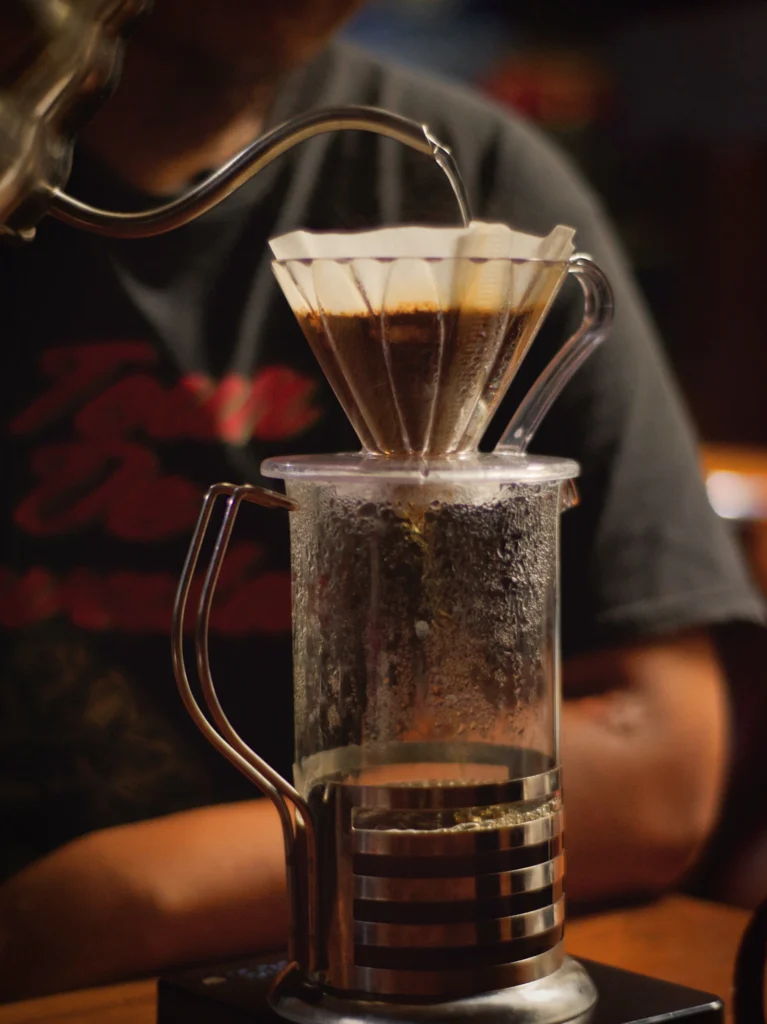
Three cupping ideas to get started:
- Washed vs. natural. Compare the Sonsón washed coffee with the Caicedo natural coffee. Both are from Antioquia, so the main difference comes from the process.
- Specialty vs. supermarket. Put a specialty coffee next to the coffee in your pantry. It’s the most eye-opening cupping there is.
- Fresh vs. stale. The same coffee freshly roasted and another bag opened weeks ago. You’ll understand why the roast date matters.
If you want to explore more origins, every coffee in our specialty coffee shop has its town and process in the name. That makes it easy to set up your own comparisons. And if you want to understand why place changes the cup, read single-origin coffee.
Keep your notes from every cupping. Over time you’ll see patterns: maybe you always prefer naturals, or coffees with citrus acidity. That notebook becomes your best buying guide.
After the cupping, brew the coffee you liked best with your usual method. You’ll notice things that used to slip right past you.
Coffees from this guide


Broo Café Team
The coffee team at Broo Café, specialty coffee roasters in Medellín.
Content reviewed by the Broo Café Team.
Frequently asked questions
Is there a difference between cupping and coffee tasting?
Not in practice. In Spanish, catación is the term used in Colombia’s coffee industry, and cata is the more common everyday word. In English, both are called cupping. They all refer to evaluating coffee in a structured way.
Do you have to spit out the coffee when cupping?
At professional cuppings, people spit because they taste many coffees in a row and the caffeine adds up. At home, with two or three coffees and a few spoonfuls, you can swallow it. If you’re going to taste more than four, it’s best to keep a cup handy for spitting.
Can I cup coffee without a grinder?
Yes. Ask for the coffees ground to the same setting, medium-coarse as for a French press. What matters is that they all have the same grind. If one is finer than another, the difference in the cup won’t come from the coffee alone.
How many coffees do you cup at once?
At home, it’s best to start with two or three. That way you can concentrate and compare calmly. Professional cuppers evaluate many more in one session, but they’ve spent years training their palate and follow a strict protocol.
What does it mean when a coffee scores 85 points?
It means that in a cupping using the traditional SCA scale, it scored 85 out of 100. According to the FNC, a coffee is considered specialty from 80 points. The number helps, but the tasting notes and the origin tell you more about whether you’ll like it.
Summary
- Cupping uses about 8.25 g of coffee per 150 ml of water, water between 92 and 94 °C, and 4 minutes before breaking the crust.
- It evaluates aroma, flavor, acidity, sweetness, body, and finish; the flavor wheel helps you name them.
- To start, compare coffees with a single difference, like a washed and a natural from the same origin.
Got your coffees ready to cup? Before you start, review how place shapes the cup with our guide to single-origin coffee, and tell us in the comments which notes you discovered.
References
- Royal Coffee. Cupping protocols and procedures
- Specialty Coffee Association. The Coffee Value Assessment
- Daily Coffee News (2016). SCAA unveils a whole new Coffee Taster’s Flavor Wheel
- Federación Nacional de Cafeteros, Comité de Caldas. Marquetalia celebró sus 100 años con el 1.er concurso de cafés tostados (in Spanish)