Single origin coffee is coffee that comes from one identifiable place: a country, a region, a municipality, or even a single farm, without being mixed with beans from other origins.
The National Federation of Coffee Growers of Colombia (FNC) recognizes it as one of the categories of specialty coffee: coffees valued for their origin, with consistent, verifiable attributes (FNC, Specialty coffees).
You open a bag of coffee and the label says “100% Colombian.” It sounds good, but it tells you almost nothing. Which region is it from? Who grew it? How was it processed? A single origin coffee answers those questions, and those answers change what you taste in the cup.
In this guide, we explain what single origin coffee is, how it differs from a blend, how to read its label, and which origins Colombia has. You’ll also see how flavor changes by place and where to buy one without overpaying for a pretty word on the package.
What is single origin coffee?
Single origin coffee is coffee from one place that you can trace back to where it started. In Spanish, it’s called café de origen. It can be as broad as a country or as precise as one lot within a farm. The more precise it is, the easier it is to know what to expect in the cup.
Think of it as a scale of precision. At one end is coffee that only names the country. At the other is coffee that tells you the municipality, the farm, the producer, and the process. They’re all “single origin,” but they don’t all give you the same information.
- Country: “Coffee from Colombia.” This is the most general level.
- Region: for example, Antioquia, Huila, or Nariño.
- Municipality: for example, Sonsón or Caicedo, in Antioquia.
- Farm or lot: the most precise level, with its own name.
The Specialty Coffee Association (SCA) explains that a specialty coffee’s value doesn’t depend on flavor alone. Extrinsic attributes also count, such as origin, producer, farming practices, and process (SCA). So origin isn’t a marketing detail: it’s part of what makes a coffee valuable.
To see how this fits into the broader idea of quality, read our guide to what specialty coffee is.
How is it different from a blend?
A blend combines coffees from several origins to achieve a consistent flavor all year; a single origin coffee shows the character of one place, even if it changes a little from harvest to harvest. Neither is better by definition. They serve different goals.
A blend is like a house recipe. The roaster combines beans so the cup tastes the same in January and in July. It’s useful for coffee shop espresso or for anyone who wants the same flavor every time.
Single origin coffee is more like a photograph. It shows what coffee from that place tastes like, in that harvest, with that process. That’s why it can vary a bit from one year to the next. That variation isn’t a defect: it’s the story of the weather and the work on the farm.
| Feature | Single origin coffee | Blend |
|---|---|---|
| Source | One place | Several places |
| Flavor | Distinct character, changes by harvest | Consistent, designed to be repeated |
| Traceability | High, if the label is complete | Depends on the brand |
| Best for | Discovering flavors, filter methods | Daily routine, espresso with milk |
One detail that confuses people: some blends use only Colombian coffee, from several regions. They’re still blends, because they mix different origins within the country. That’s why “100% Colombian” isn’t the same as single origin. What defines a single origin coffee is that you can point to where it comes from on a map.
Which one is right for you? If you like to taste and compare, single origin coffee will teach you a lot. If you want the same cup every day, a well-made blend does the job. And if you want both, pick a single origin coffee and stick with it for a while.
What does a single origin coffee label tell you?
A good single origin coffee label tells you where it was grown, how it was processed, and when it was roasted. If it also includes the farm name, the variety, or the altitude, even better. If all it says is “premium Colombian coffee,” that’s not enough to know what you’re buying.
Here’s what to look for, from most important to most detailed:
- Region and municipality. “Antioquia” is a start. “Sonsón, Antioquia” is better.
- Process. Washed, natural, or honey. The process changes the flavor a lot.
- Roast date. Coffee is a fresh product. Without a date, you don’t know how long it’s been on the shelf.
- Producer or farm. If the roaster knows and shares it, that’s a good sign of traceability.
- Variety and altitude. Useful details for people who already know what they like.
The SCA includes origin traceability and process information in its extrinsic assessment of coffee, as part of the Coffee Value Assessment system (SCA, CVA). In other words, knowing where a coffee comes from also adds to its value.
And if the label includes something you don’t understand, ask. A roaster who knows their coffee can tell you where it comes from, who grew it, and why they chose it. If nobody can answer, that tells you something too.
To dig deeper into tracing a coffee back to the farm, read coffee traceability.
What are the origins of Colombian coffee?
Colombia has one national designation of origin, Café de Colombia, and six regional designations of origin: Cauca, Nariño, Huila, Santander, Tolima, and Sierra Nevada. All of them were declared by Colombia’s Superintendence of Industry and Commerce (SIC), and the FNC is authorized to grant their use (FNC, regional designations).
Each regional designation describes its own profile. According to the FNC:
- Cauca: high acidity and floral notes.
- Nariño: high acidity and sweet notes.
- Huila: mild washed arabica, grown between 1,000 and 2,200 meters (about 3,300 to 7,200 feet) above sea level.
- Tolima: citrus and fruity notes.
- Santander: shade-grown, with clean, balanced cups.
- Sierra Nevada: 33 municipalities in Magdalena, La Guajira, and Cesar, fully shade-grown.
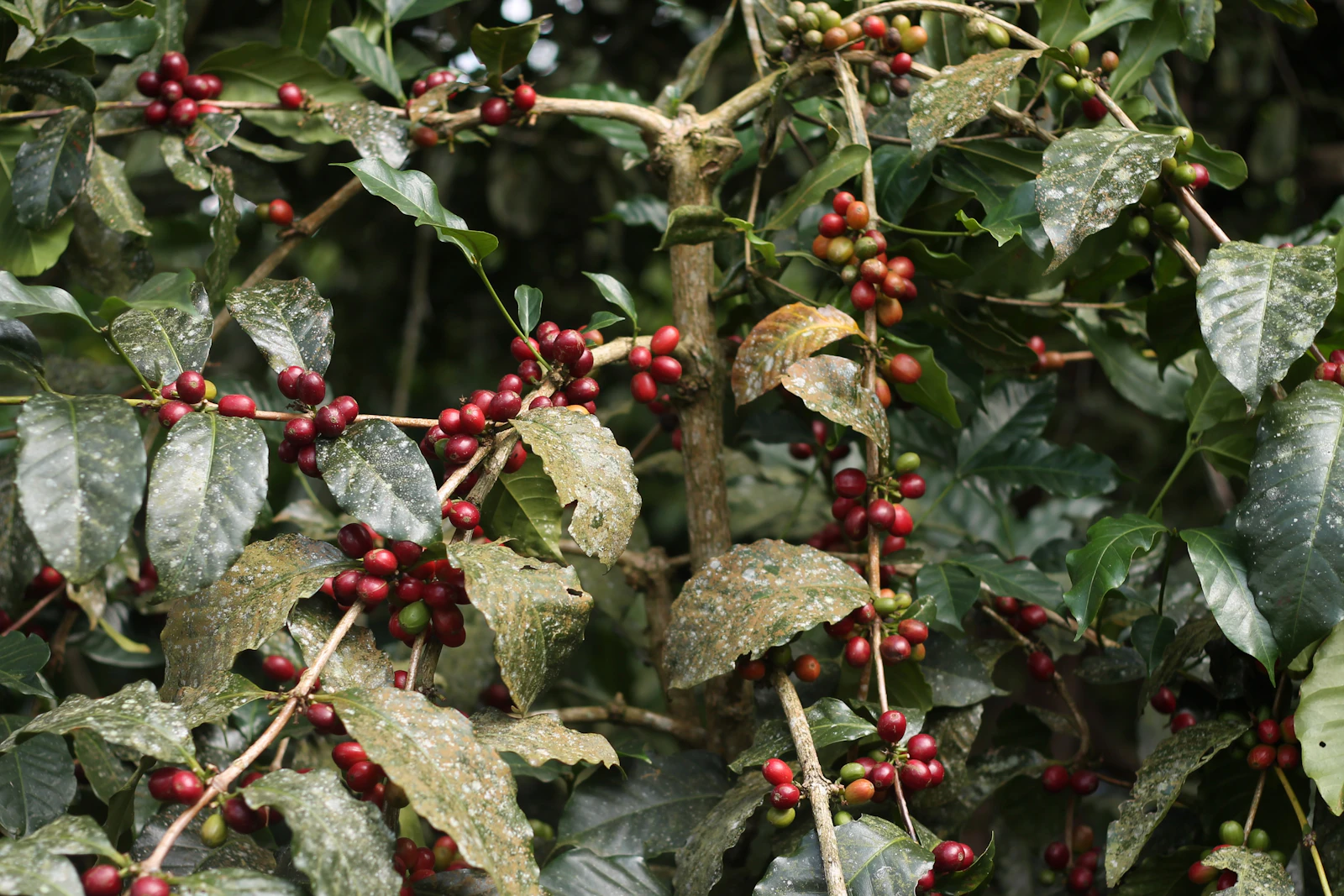
What about Antioquia? It doesn’t have its own regional designation, but it’s one of the largest coffee-growing departments in the country. According to the Antioquia Coffee Growers Committee, coffee is grown in 75% of its municipalities (Antioquia Coffee Growers Committee). That’s where the coffees we roast come from.
For the full map of regions, check out what the best Colombian coffee is.
How does flavor change by origin?
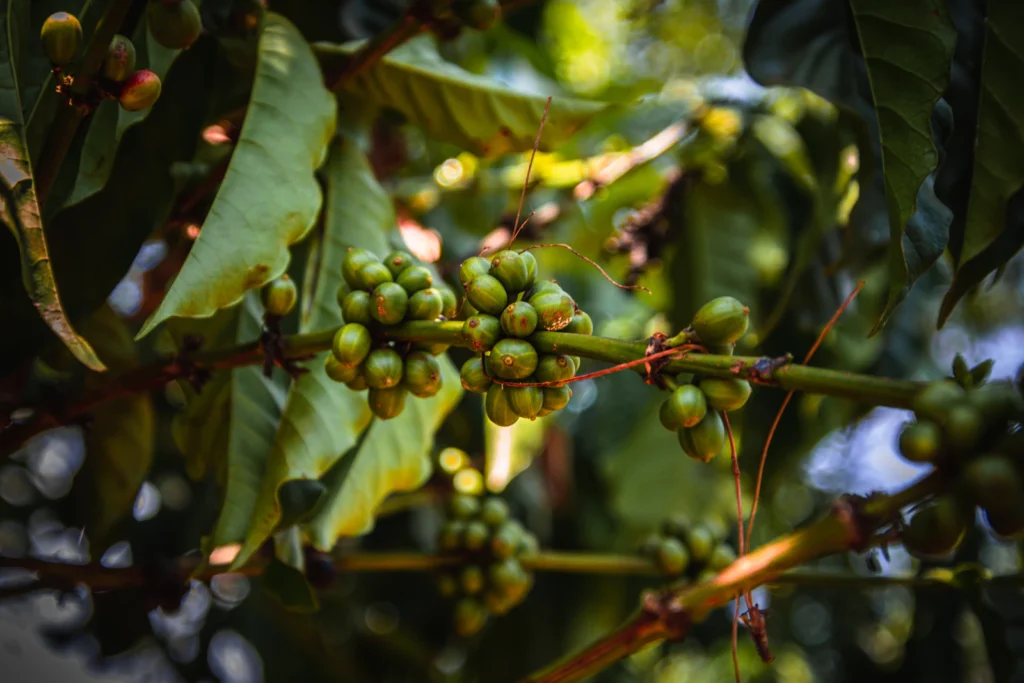
Origin shapes flavor through the combination of climate, soil, altitude, variety, and how each farm is managed. Two coffees from neighboring municipalities can taste different. And the same coffee can change a lot depending on how it’s processed after harvest.
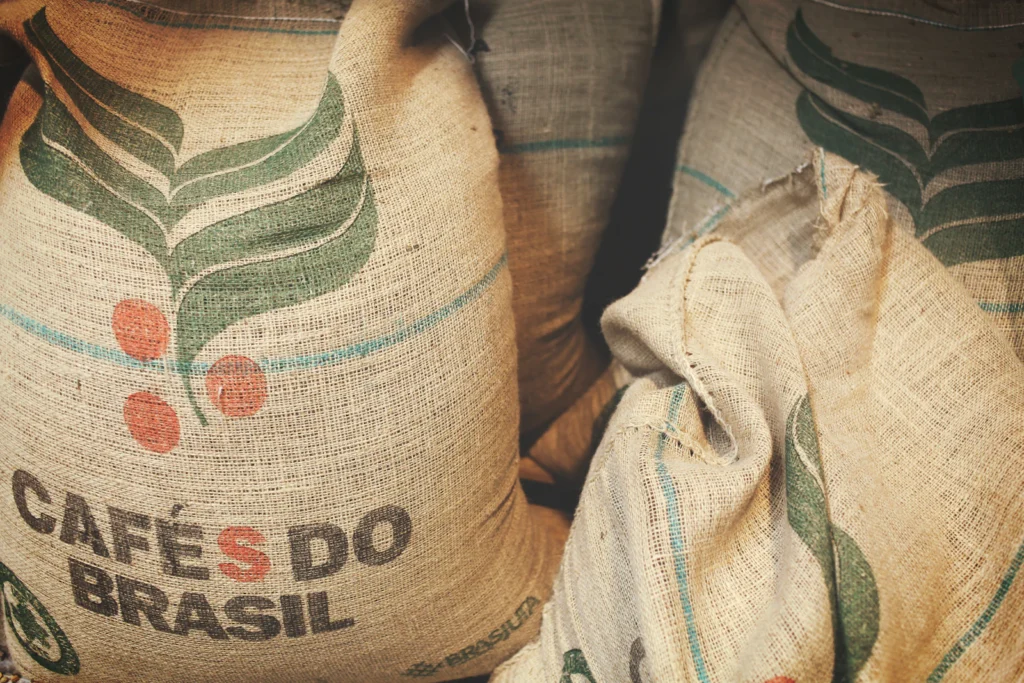
That’s why origin and process go hand in hand. The same municipality can produce a clean, bright washed coffee and a sweeter, fruitier natural coffee. We explain it in detail in coffee processing methods: washed, natural, and honey.
The easiest way to understand origin is to compare. Brew two different coffees with the same method, the same dose, and the same water. Taste them side by side. The differences stand out much more than if you drink them on different days.
A practical example with coffees from Antioquia:
- Brew our Sonsón washed coffee and our Caicedo natural coffee with the same method.
- Use the same coffee-to-water ratio for both.
- Taste them warm, when flavors come through the most.
- Write down what you notice: sweeter? More acidic? More body?
If you enjoy this exercise, we have a complete guide to coffee cupping at home.
Where can you buy single origin coffee in Colombia?
Buy it from roasters who clearly state where the coffee comes from, how it was processed, and when it was roasted. The word “origin” on the package isn’t enough. What matters is the information that comes with it and how fresh the beans are.
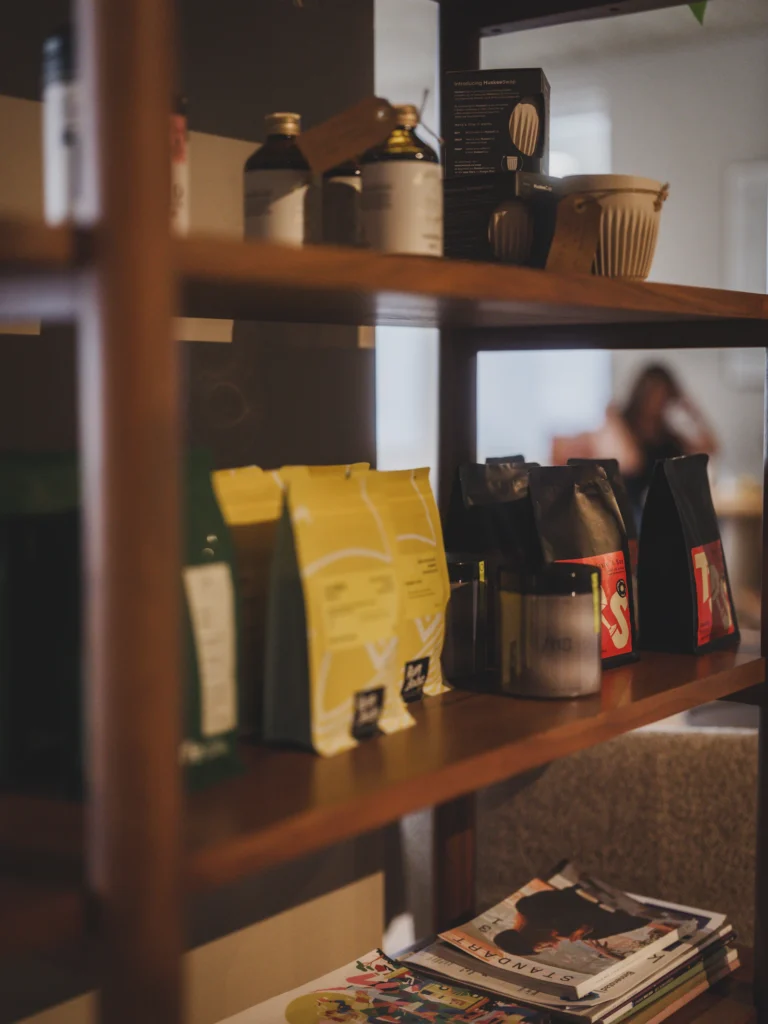
A few tips for buying well:
- Choose small or specialty roasters. They usually work with a few origins and know them well.
- Ask for the roast date. An excellent single origin coffee loses its charm if it was roasted months ago.
- Pick a bag size that matches how much you drink. A 250 g (8.8 oz) bag stays fresh to the last scoop if you don’t drink much.
- Ask about the format. Whole bean lasts longer; ground is convenient if you don’t have a grinder.
In our specialty coffee shop, every coffee has the municipality in its name and the process in plain sight. You can start with our 250 g Andes washed coffee, an ideal size for trying a new origin without committing to a large bag.
Not sure which one to choose? Think about your brewing method. For filter, a washed coffee shines for its clarity. For French press, a natural adds sweetness and body. And if you like to compare, get two origins at once.

Broo Café Team
The coffee team at Broo Café, specialty coffee roasters in Medellín.
Content reviewed by the Broo Café Team.
Frequently asked questions
Is single origin coffee the same as specialty coffee?
Not always. A single origin coffee comes from one place, but that doesn’t guarantee its quality. Specialty coffee is defined by its cup attributes and its value. Many specialty coffees are single origin, but not every single origin coffee is specialty.
What does café de origen mean?
It’s the Spanish term for single origin coffee. It means all the coffee in the bag comes from the same place: a country, a region, a municipality, or a farm. The more specific the label, the more information you have to choose based on your taste.
Why does single origin coffee taste different from one harvest to the next?
Because it depends on each year’s weather, how the coffee cherry ripened, and the decisions made on the farm. A rainier or drier year changes the cup. With single origin coffee, that variation is part of its story, not a roaster’s mistake.
Is single origin coffee more expensive?
It usually costs a bit more than a blended coffee with no information, because it involves traceability and smaller lots. But it isn’t always much more expensive. Compare price per gram and freshness, and choose a small bag if you want to try it before committing.
Which single origin coffee is best to start with?
A washed coffee from a well-known region is a good starting point. It usually has a clean cup that’s easy to understand. Brew it with your usual method and, once you know it well, compare it with a natural to notice the difference.
Summary
- Single origin coffee comes from one identifiable place; the FNC recognizes it as a category of specialty coffee.
- The label should state the region, process, and roast date; farm, variety, and altitude are a bonus.
- Colombia has the Café de Colombia designation plus six regional ones; Antioquia grows coffee in 75% of its municipalities.
Want to know what each origin tastes like? Learn to compare them with our guide to coffee cupping at home, and tell us in the comments which origin is your favorite.
References
- National Federation of Coffee Growers of Colombia (FNC). Specialty coffees
- National Federation of Coffee Growers of Colombia (FNC). Regional Designations of Origin
- Specialty Coffee Association. What is specialty coffee?
- Specialty Coffee Association. The Coffee Value Assessment
- Antioquia Departmental Coffee Growers Committee. Institutional infographic