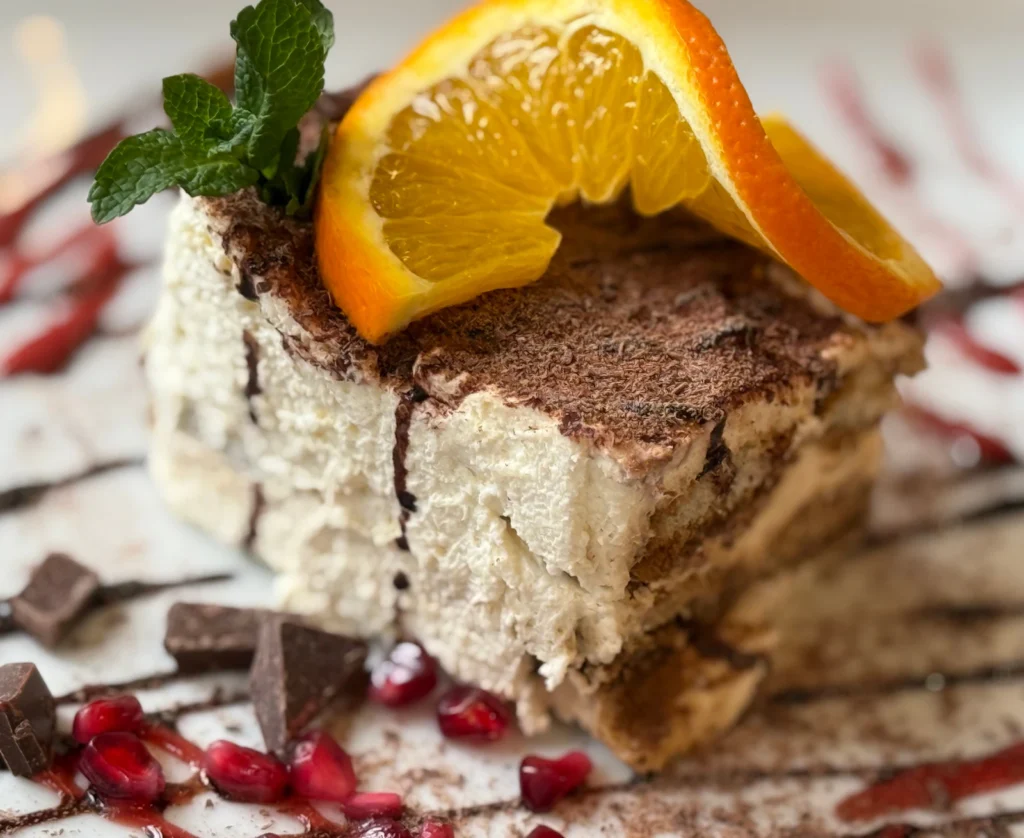
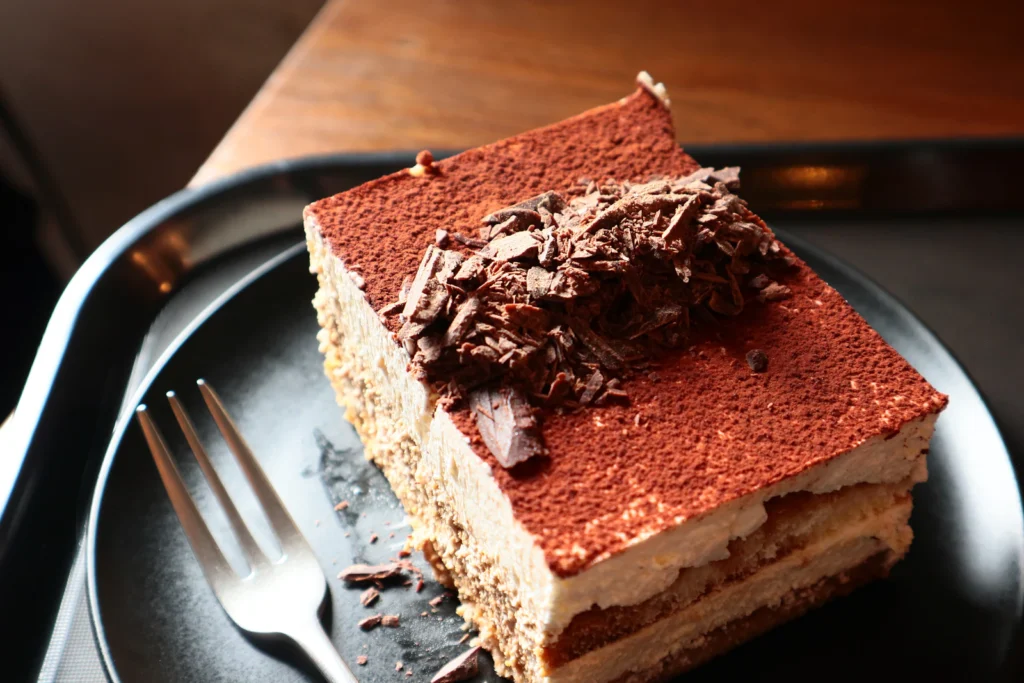
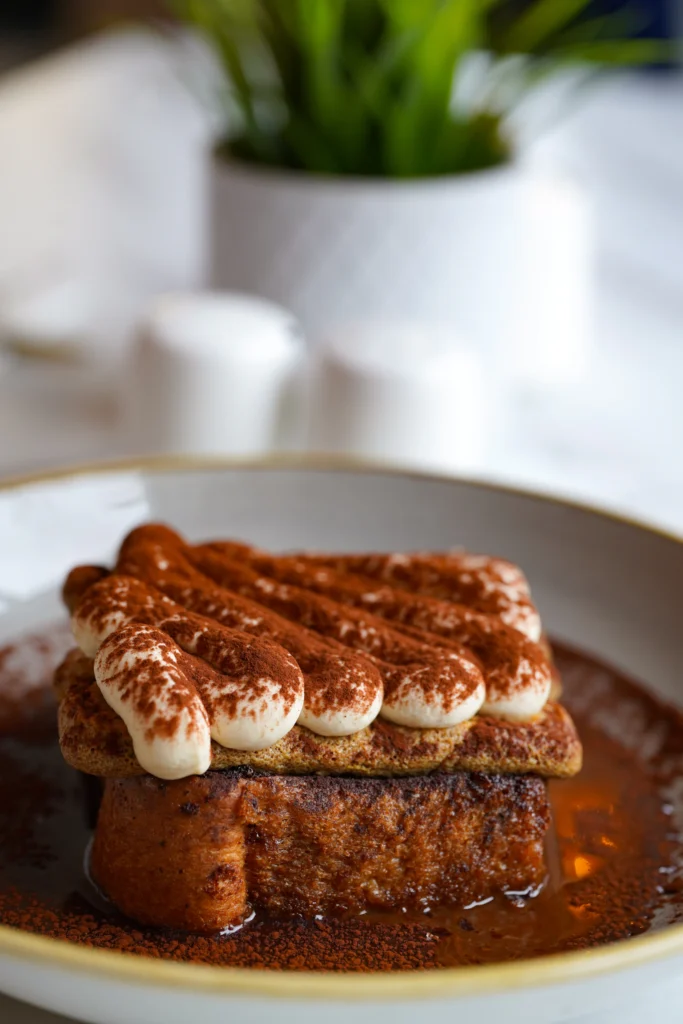
Tiramisu is an Italian layered dessert of savoiardi (ladyfingers) dipped in coffee, a cream of mascarpone, egg yolks, and sugar, and unsweetened cocoa on top. It rests in the fridge so it can set.
The traditional Treviso recipe preserved by the Accademia del Tiramisù calls for 300 g of mascarpone, 3 egg yolks, 90 g of sugar, savoiardi, moka pot coffee, and cocoa, with at least 10 hours of resting time (Accademia del Tiramisù).
In December, there’s always one dessert that disappears from the table first. Very often, it’s tiramisu. It’s creamy, it doesn’t need an oven, and it has one ingredient that changes everything: coffee. If the coffee is good, the tiramisu tastes like real coffee. If it’s bad, it just tastes sweet.
In this guide, we show you how to make tiramisu with the traditional recipe, which coffee to use, how to make it safely without raw eggs, and which variations you can try. You’ll also see the most common mistakes and how to have it ready a day ahead for your get-together.
What is tiramisu?
Tiramisu is a chilled dessert from the Veneto region of Italy, made with layers of coffee-dipped biscuits and a cream of mascarpone, egg yolks, and sugar, finished with unsweetened cocoa. It isn’t baked: you assemble it, refrigerate it for several hours, and serve it cold.
According to the Accademia del Tiramisù, the name comes from the Treviso dialect, tiremesu, which means “pick me up” or “cheer me up.” It makes sense: coffee, sugar, and cream in a single spoonful.
The Accademia also lists a few milestones in its history:
- 1970: the Campeol family puts the name “Tiramisù” on the menu of Le Beccherie restaurant in Treviso.
- 2010: a notarial deed protects the traditional recipe.
- March 2024: Tiramisù di Treviso is recognized in Italy as a Traditional Agri-Food Product (PAT).
Other regions of Italy dispute its origin, but the Treviso recipe is the most widely cited reference. And it’s surprisingly simple: six ingredients, no heavy cream, no whipped egg whites, and no liqueur.
What makes a tiramisu great isn’t the number of ingredients but their quality. Good mascarpone, fresh or pasteurized eggs, savoiardi that absorb well, and, above all, a coffee with real flavor.
How do you make tiramisu, step by step?
Beat 3 egg yolks with 90 g of sugar until pale and foamy, fold in 300 g of mascarpone a little at a time, dip the savoiardi in cold coffee, and build layers of biscuits and cream. Refrigerate for at least 10 hours and dust with cocoa before serving. That’s the traditional recipe for 6 to 8 people.
Ingredients (6 to 8 servings, according to the Accademia del Tiramisù):
- 300 g (about 10.5 oz) of mascarpone cheese.
- 3 egg yolks, or 60 g of pasteurized egg yolk.
- 90 g (about 3 oz) of white sugar.
- Savoiardi biscuits (also called ladyfingers), as many as you need for two layers.
- Moka pot coffee, cold.
- Unsweetened cocoa powder.
Step by step:
- Make the coffee. Brew it ahead of time and let it cool completely. Pour it into a shallow bowl.
- Beat the yolks with the sugar. Beat until the mixture is pale, thick, and foamy.
- Add the mascarpone. Fold it in a little at a time, mixing gently, until you get a smooth, even cream.
- Dip the biscuits. Quickly dip each savoiardi in the coffee and place it in the dish, sugared side up.
- Build the layers. Cover the biscuits with cream, add another layer of dipped biscuits, and finish with cream.
- Refrigerate. Cover the dish and leave it in the fridge for at least 10 hours or overnight.
- Finish with cocoa. Right before serving, dust it with unsweetened cocoa through a fine-mesh strainer.
The resting time isn’t optional. During those hours, the biscuits finish soaking up the coffee, the cream sets, and the flavors come together. That’s why tiramisu is perfect for making the day before a get-together.
What coffee should you use for tiramisu?
Use a strong, medium roast coffee with chocolate or caramel notes, brewed in a moka pot or as espresso, and always cold. It’s the only bitter ingredient in the dessert, so you’ll taste it in every spoonful. Avoid instant coffee and reheated coffee.
The traditional recipe calls for moka coffee, meaning coffee brewed in a moka pot. It makes a concentrated, full-bodied coffee that soaks the biscuits without turning them watery. We explain the method in how to use a moka pot.
A few ideas for choosing your beans:
- For a classic tiramisu: a balanced washed coffee, like our Sonsón washed coffee, gives a clean coffee flavor that pairs well with mascarpone.
- For a tiramisu with more character: a natural, like our Caicedo natural coffee, adds fruity notes that contrast with the cocoa.
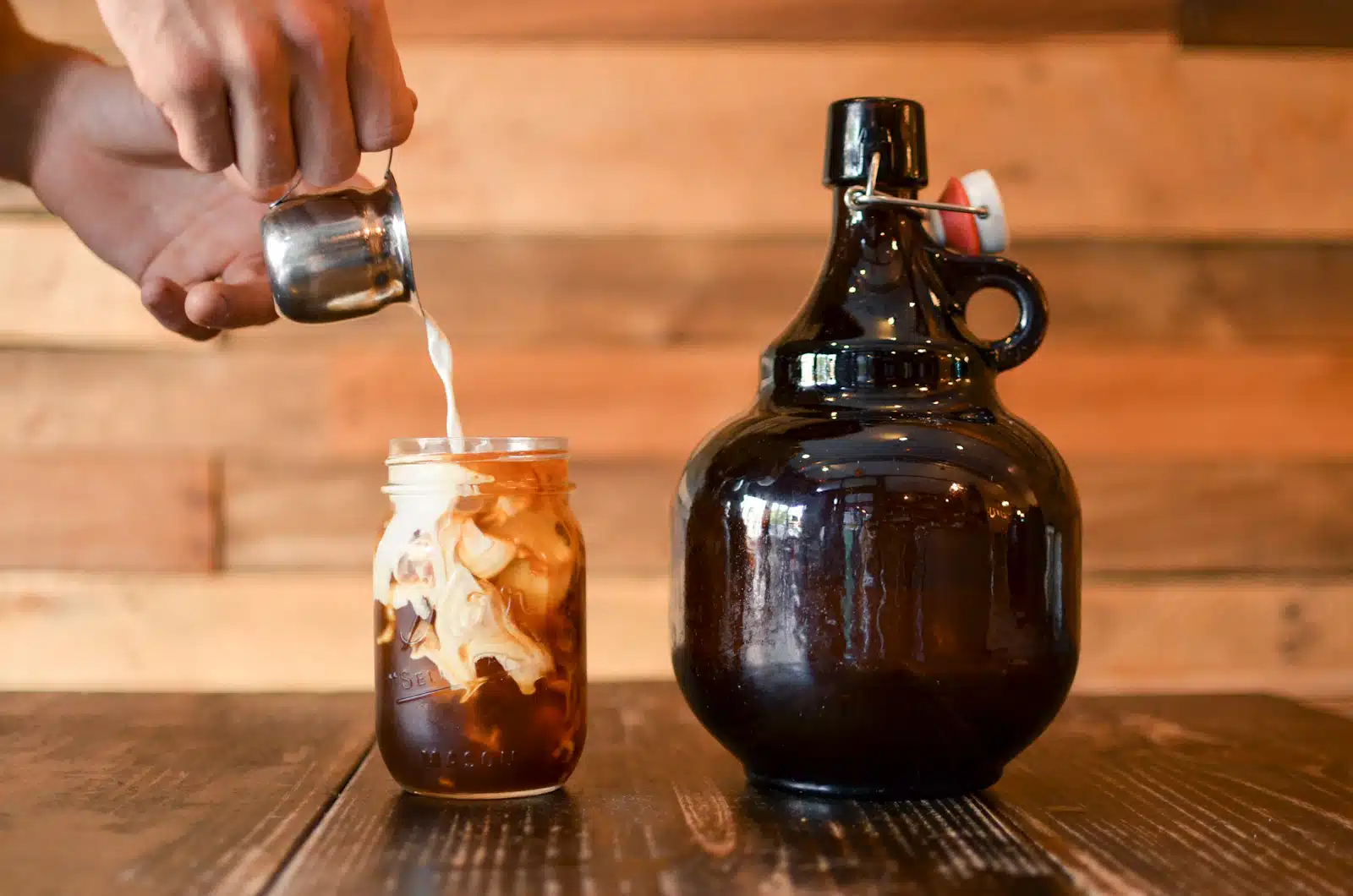
- To save time: cold brew concentrate, diluted with a little water, is already cold and ready for dipping. The 700 ml cold brew concentrate saves you from waiting for the coffee to cool.
Grind your coffee right before brewing. Ground coffee loses aroma quickly, and in a dessert where coffee is the star, you’ll notice. We explain why in whole bean vs. ground coffee.
How much coffee do you need? It depends on the size of your dish and how many biscuits you use. As a rule of thumb, brew a large cup and pour it into the bowl little by little as you dip.
How do you make tiramisu without raw eggs?
Use pasteurized egg yolk, which the traditional recipe itself allows, or cook the yolks with the sugar in a double boiler until they reach 71 °C. That lowers the risk of Salmonella without changing the flavor or texture much. It’s the recommended option if children, pregnant women, or older adults will be at the table.
The U.S. Food and Drug Administration (FDA) warns that fresh eggs, even with clean, uncracked shells, can contain Salmonella. It also notes that children, older adults, and pregnant women are at higher risk of serious illness. For recipes served without cooking, the FDA recommends using treated eggs or pasteurized egg products.
Three safe options:
- Pasteurized egg yolk: the Accademia del Tiramisù calls for 60 g of pasteurized egg yolk instead of the 3 yolks. You can find it in some supermarkets.
- Yolks cooked in a double boiler: beat the yolks with the sugar in a bowl set over a pot of hot water, without letting the bowl touch the water. Stir constantly until the mixture reaches 71 °C (160 °F), the temperature the FDA gives for egg dishes. Use a kitchen thermometer. Let it cool and continue with the recipe.
- Egg-free: mix the mascarpone with powdered sugar and a little whipped heavy cream. The texture changes, but it stays creamy and stable.
Also, always keep the tiramisu refrigerated and don’t leave it out of the fridge for hours during your get-together. Serve it and put it back.
What tiramisu variations can you try?
The most common variations are tiramisu in individual cups, with liqueur, with fruit, with cold brew, and versions with Colombian flavors like arequipe or panela. They all work as long as you respect the base: biscuits dipped in good coffee, mascarpone cream, and time to rest in the cold.
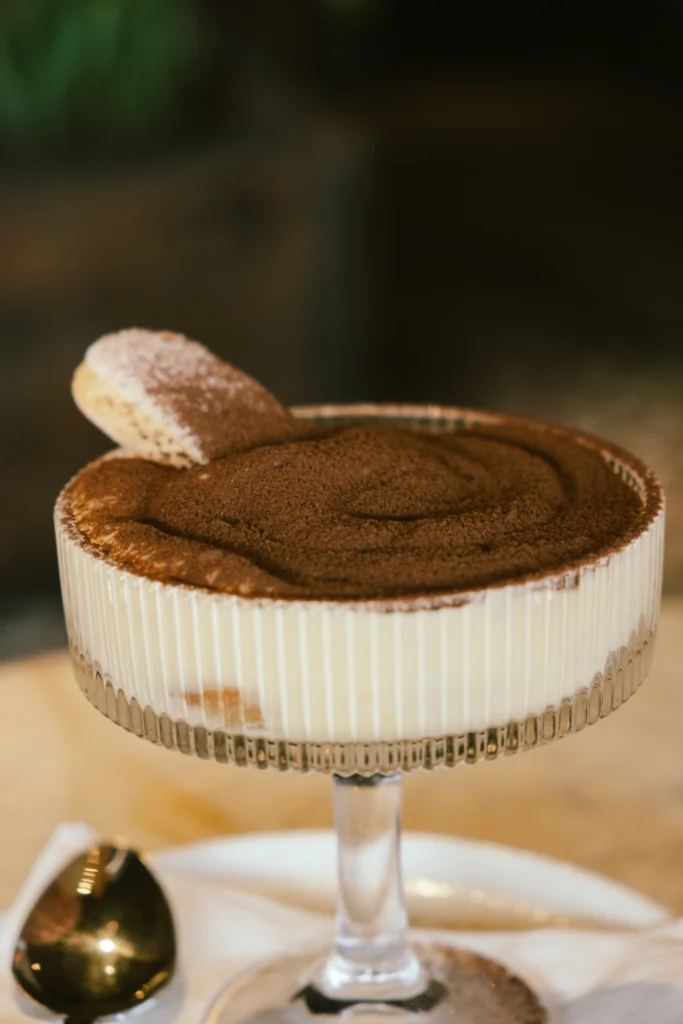
- In cups: assemble the tiramisu in small glasses. It’s easier to serve at a novena (Colombia’s Christmas prayer gatherings), and every guest gets their own portion.
- With liqueur: many recipes add a splash of coffee liqueur, Marsala, or amaretto to the dipping coffee. It isn’t part of the Treviso recipe, and it isn’t suitable for children or pregnant women.
- With berries: strawberries or blackberries between the layers add a tart touch that balances the sweetness.
- With arequipe: a thin layer of arequipe (Colombian dulce de leche) between the biscuits and the cream. Very sweet, very Colombian.
- With panela: sweeten the coffee with a little grated panela (unrefined cane sugar) before dipping.
- With cold brew: dip the biscuits in diluted cold brew. You get a smoother tiramisu with less bitterness.
If you like quick coffee desserts, also try the affogato: ice cream and hot espresso, ready in two minutes.
What mistakes ruin a tiramisu?
The most common mistakes are soaking the biscuits too long, using hot coffee, overbeating the mascarpone, not letting it rest long enough, and adding the cocoa hours ahead of time. Pay attention to these details and you’ll get a tiramisu that’s firm, creamy, and full of coffee flavor.
- Soggy biscuits: they fall apart and leave liquid at the bottom. Dip them quickly in the coffee, one second per side.
- Hot coffee: it melts the cream and makes the biscuits too soft. The coffee should be cold.
- Overbeaten mascarpone: it splits and turns grainy. Mix it gently and a little at a time.
- Too little rest: less than 10 hours gives you a soft dessert with flavors that haven’t come together.
- Cocoa added too early: it absorbs moisture and turns into a paste. Dust it on right before serving.
- Weak coffee: the tiramisu tastes only of sweet cream. Use concentrated coffee.
A good tiramisu starts with good coffee. If you want to try different origins, browse our specialty coffee and pick the one you like best on its own: that will be the best one for your dessert.
Coffees from this guide


Broo Café Team
The coffee team at Broo Café, specialty coffee roasters in Medellín.
Content reviewed by the Broo Café Team.
Frequently asked questions
How long does tiramisu last in the fridge?
Ideally, eat it within one or two days, always covered and refrigerated. It contains dairy and egg, so it’s best not to keep it longer or leave it out of the fridge for hours. If the smell or texture changes, don’t eat it.
Can you freeze tiramisu?
Yes, you can freeze it tightly covered. When you thaw it in the fridge, the cream may release some moisture and the biscuits get softer. For special occasions, it’s better to make it fresh a day ahead and serve it straight from the fridge.
What can you use instead of savoiardi?
If you can’t find savoiardi, use other ladyfingers or dry vanilla sponge biscuits that soak up liquid without falling apart. Avoid very moist sponge cakes or fluffy cakes, because they get too soaked with coffee and the dessert loses its layered structure.
Can you make tiramisu without mascarpone?
You can, but it’s no longer traditional tiramisu. Some people use cream cheese mixed with whipped heavy cream. The texture is similar, although the flavor is tangier and less buttery. If you can find mascarpone, it’s worth using.
Does tiramisu have caffeine?
Yes, it has some caffeine from the coffee the biscuits soak up and from the cocoa. The amount per serving is small, but if children or someone sensitive to caffeine will be eating it, make it with decaf coffee. The flavor changes very little.
Summary
- The traditional Treviso recipe uses mascarpone, egg yolks, sugar, savoiardi, moka pot coffee, and unsweetened cocoa, with at least 10 hours of resting time.
- Coffee is the only bitter ingredient: use a strong, medium roast coffee, freshly ground and always cold.
- To avoid raw eggs, use pasteurized egg yolk or cook the yolks with the sugar to 71 °C (160 °F), as the FDA advises for egg dishes.
Craving another coffee dessert? Make an affogato at home in two minutes. And tell us in the comments whether you’re team classic tiramisu or team tiramisu cups.